English
 English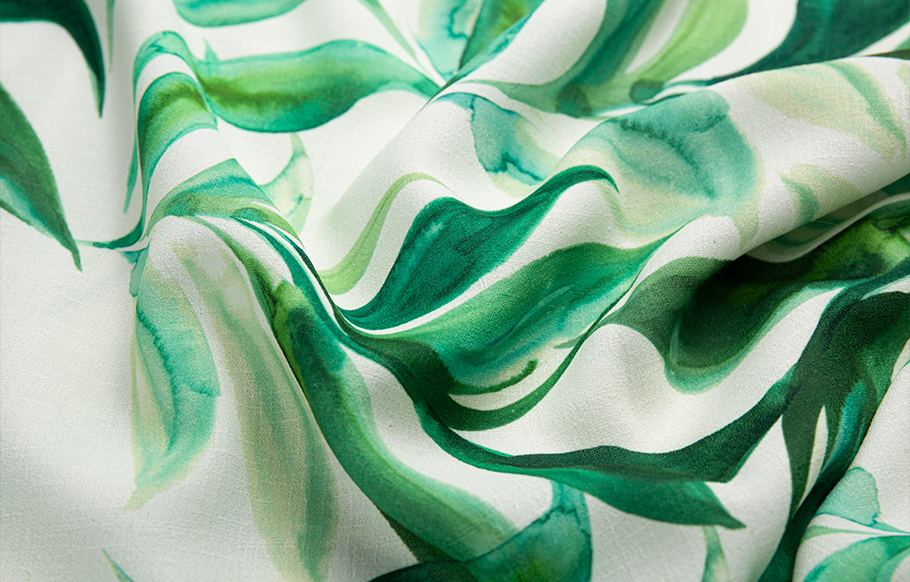
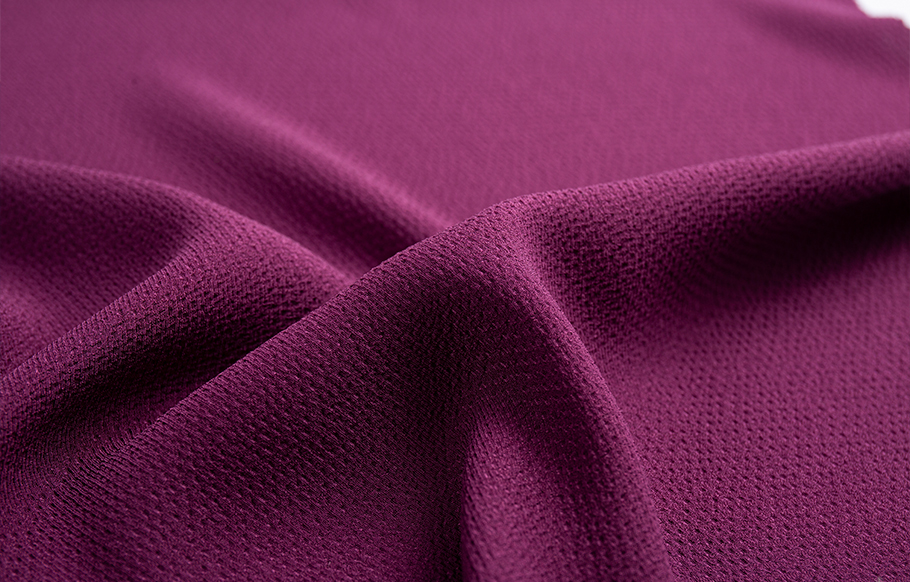
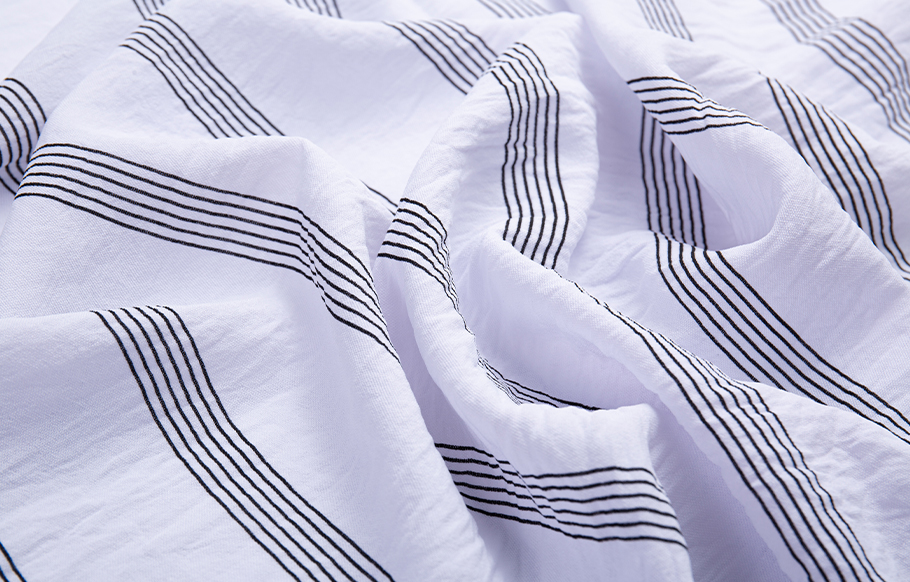
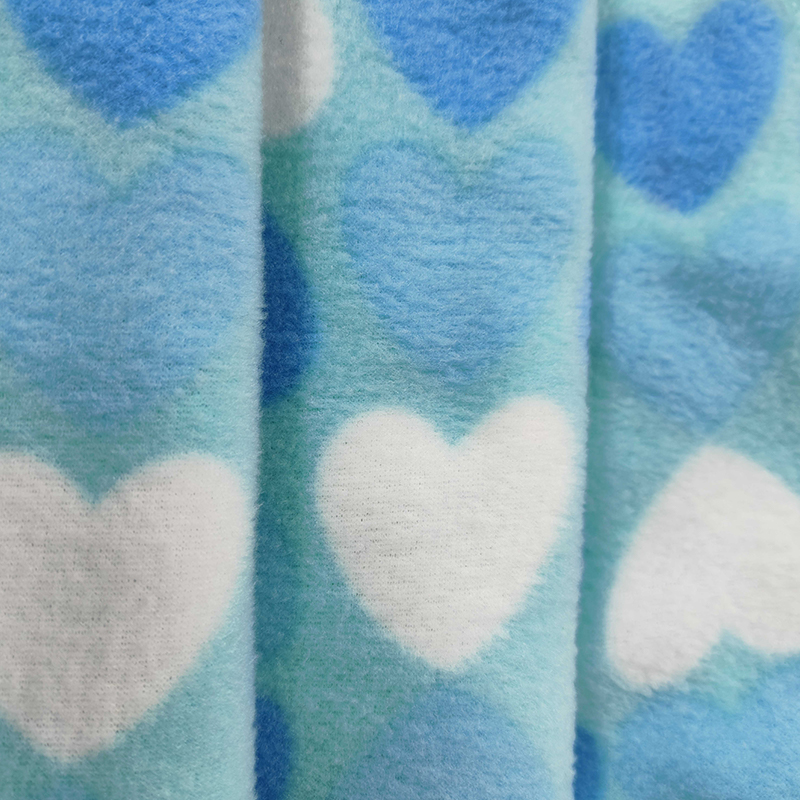
The home textile and pajama fabric industry is undergoing a profound transformation from "basic warmth retention" to "functional scenario-based". Recently, a technological wave represented by intelligent temperature control, plant-based antibacterial properties, and biodegradability has driven the industrial chain to upgrade towards dimensions such as health management and sustainable fashion. A material revolution centered on the "human micro-environment" is quietly taking place.
Technology trend: From single-point breakthroughs to systematic solutions
Dynamic temperature control has become the focus of competition
The maturity of technologies such as phase change materials (PCM) and photosensitive fibers enables fabrics to have the active adjustment ability of "absorbing heat when hot and releasing heat when cold". Industry reports show that the market share of home textile products with temperature control functions increased by 32% year-on-year in 2023. Some high-end pajama brands have even introduced phase change microcapsule technology used in the aerospace field, keeping body temperature fluctuations within ±1℃.
Hygiene and safety standards have been continuously enhanced
In the post-pandemic era, consumers' demands for antibacterial and mite-proof functions have extended from medical scenarios to daily life. Natural plant extracts (such as eucalyptus essential oil and chitosan) replace traditional silver ion antibacterial agents, combined with microcapsule sustained-release technology, to achieve long-lasting protection and avoid skin sensitivity problems.
Sustainable materials achieve performance breakthroughs
The penetration rate of bio-based materials such as Lyocell fibers and alginate fibers has been increasing year by year. It is worth noting that the new generation of recycled polyester (rPET), through the modification of special-shaped cross-sections and surface friendly treatment, has a touch feel close to that of natural fibers, breaking the conventional perception that "environmental protection equals sacrificing comfort".
Market-driven: Sleep Health and Scenario Segmentation
Precise target customization: The "probiotic fabric" developed for the mother and baby group reduces the risk of allergies by maintaining the balance of skin flora. Far-infrared heating materials for the elderly have improved blood circulation, and these innovations have accelerated the segmentation of product categories.
Cross-border technology integration: Home textile enterprises have joined hands with electronic technology companies to develop smart fabrics with built-in sensors, which can monitor physiological data such as heart rate and breathing, and generate sleep quality reports through an APP, thus building a new model of "product + service".
Supply Chain Challenges and Innovation Directions
The current industry still faces pain points such as high technical costs and insufficient functional durability. In response to this, the upstream and downstream of the industrial chain have accelerated breakthroughs by jointly building research and development platforms
Material end: Develop composite fibers with both temperature control and antibacterial functions to reduce the use of chemical additives in the post-treatment process.
On the production side, low-carbon processes such as waterless dyeing and digital printing are adopted. A leading enterprise has achieved a wastewater recovery rate of 95% through a closed-loop water system.
Certification system: Standards such as GOTS and OEKO-TEX 100 have become the entry barriers for the international market, promoting the standardization of the testing process.
Future Outlook: From "Sleep Products" to "Health Management Entry Points
Industry experts point out that the value of home textile and pajama fabrics is extending from "functional use" to "data value". As the integration of biosensing technology and fabrics increases, fabrics may become the interactive interface for health management in the future. The deepening of the sustainable concept will require enterprises to achieve full life cycle management from raw material traceability to recycling and reuse.