English
 English
 Español
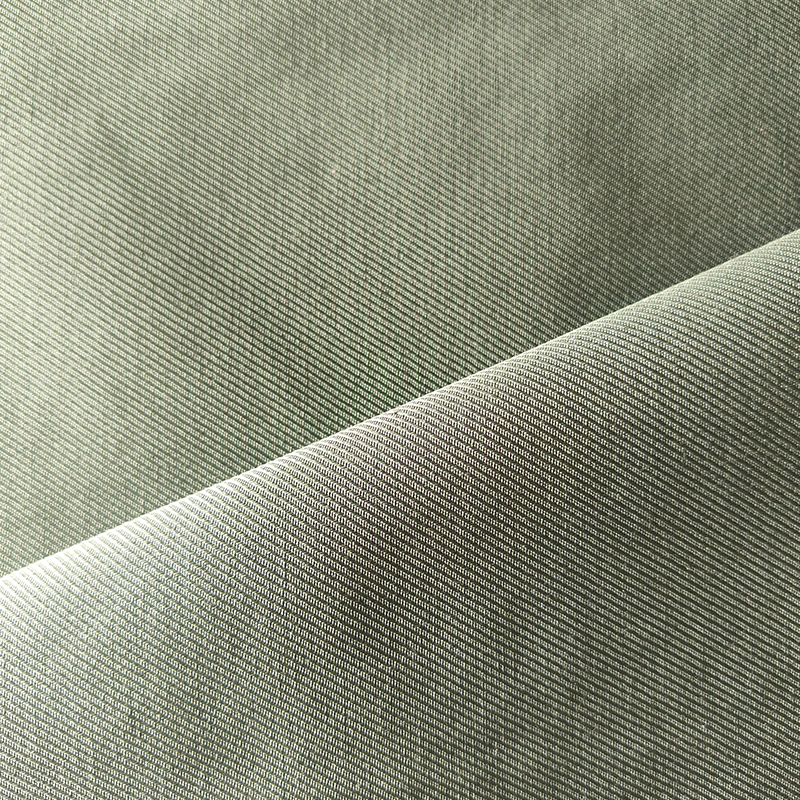
Chenille is a uniquely textured fabric recognized by its soft, fuzzy surface and distinctive pile construction. The name comes from the French word for "caterpillar," a fitting description for the fabric's velvety, slightly raised appearance. It is woven by placing short lengths of yarn — known as pile — between two core threads that are then twisted together, locking the pile fibers in place and creating the characteristic fluffy texture. Originally crafted from silk, modern chenille is typically made from cotton, polyester, rayon, acrylic, or blended fibers, each offering different levels of softness, durability, and drape.
For both men's and women's clothing, chenille offers a tactile richness that few other fabrics can match. It has warmth without excessive weight, visual depth without pattern complexity, and a luxurious feel that suits both casual and semi-formal contexts. Understanding what makes chenille special — and how to work with it — helps shoppers and designers make smarter choices when incorporating it into their wardrobes.
Key Characteristics of Chenille for Clothing
Chenille's unique construction gives it a set of performance properties that distinguish it from flat-woven or knit fabrics. These characteristics directly affect how it performs as a clothing material and who it suits best.
Texture and Surface Appeal
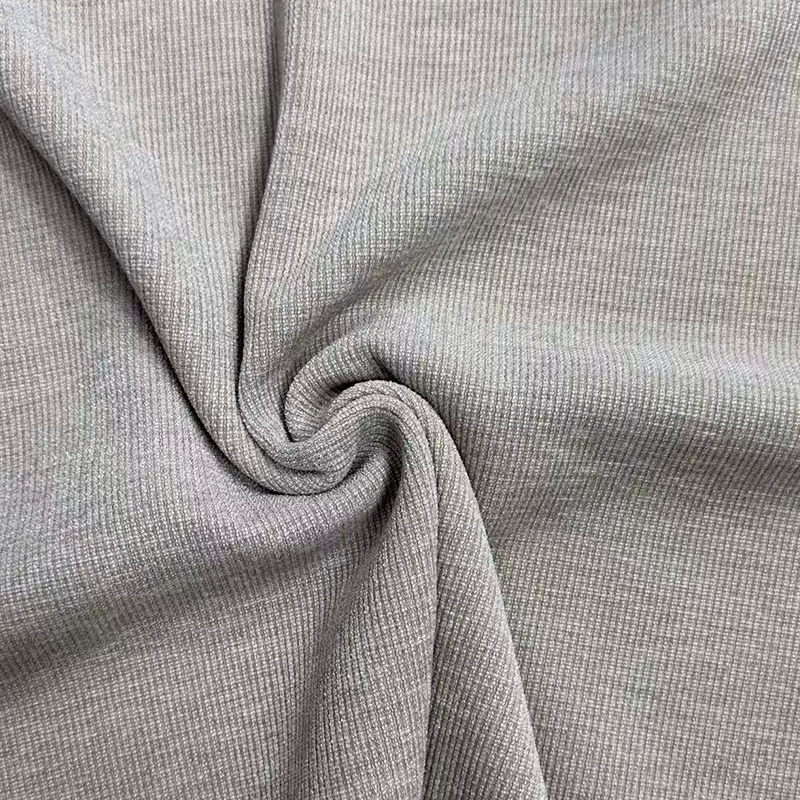
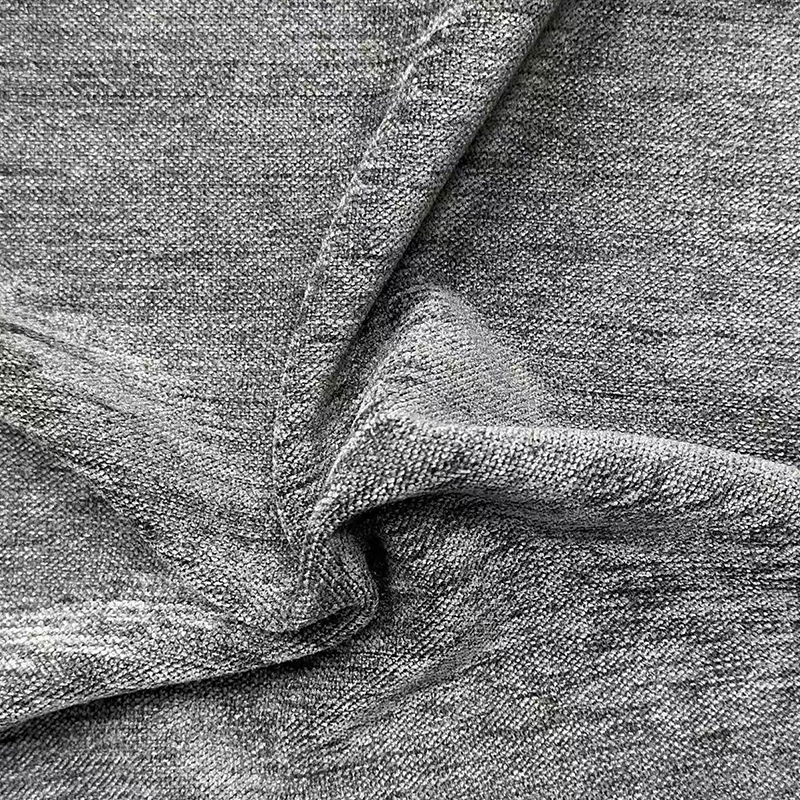
The most immediately noticeable quality of chenille is its soft, plush pile surface. Unlike velvet, which has a uniform pile direction, chenille's pile radiates outward in all directions, giving it a slightly irregular, organic texture. This creates a visual shimmer and depth, particularly in solid-colored garments, where light catches the pile at different angles throughout the day.
Weight and Warmth
Chenille is a medium-to-heavyweight fabric, making it naturally warm and suitable for fall and winter clothing. However, its warmth is not stifling — the pile construction allows some airflow, which means chenille sweaters and tops remain comfortable even in mildly heated indoor environments. Cotton chenille tends to be slightly lighter and breathable, while acrylic or polyester chenille retains more heat and is more affordable.
Drape and Structure
Depending on its fiber content and construction density, chenille can range from slightly stiff and structured to soft and draped. Rayon-blend chenille, for example, flows more gracefully over the body and suits fitted or relaxed silhouettes. Heavier acrylic chenille holds its shape better and is more commonly found in boxy or oversized styles. This variability makes chenille versatile across a broad range of garment types.
Popular Chenille Clothing Types for Women
Women's fashion has embraced chenille across several garment categories, especially in cool-weather collections. Its softness, visual richness, and comfort-forward nature align well with contemporary trends in elevated casualwear and cozy dressing.
- Chenille Sweaters and Pullovers: Among the most popular women's chenille garments, these range from fitted ribbed styles to oversized drop-shoulder silhouettes. The soft pile makes them ideal for layering over turtlenecks or wearing alone as a statement piece.
- Cardigan and Wrap Styles: Open-front chenille cardigans offer versatility — worn as a lightweight jacket substitute in transitional weather or draped loosely for a relaxed, elegant look. Belted wrap styles in chenille add definition while maintaining the fabric's soft character.
- Chenille Dresses and Midi Skirts: For a more dressed-up take, chenille midi dresses and skirts are increasingly common. The fabric's sheen creates an elevated appearance suitable for dinner outings or holiday occasions without requiring rigid structure.
- Crop Tops and Coordinated Sets: In contemporary fashion, cropped chenille tops paired with matching wide-leg pants or skirts have emerged as a go-to for fashion-forward dressing that prioritizes both comfort and style.
Popular Chenille Clothing Types for Men
Men's chenille clothing has grown significantly in popularity, particularly within streetwear and relaxed luxury aesthetics. The fabric lends a tactile richness to otherwise simple silhouettes and works especially well for men who want casual pieces with visual interest.
- Chenille Crewneck Sweaters: A wardrobe staple, men's chenille crewnecks are typically offered in solid neutral colors — camel, charcoal, navy, forest green — and pair effortlessly with chinos, jeans, or tailored trousers.
- Polo Shirts and Knit Tops: Lightweight chenille polo shirts offer a smart-casual option with visible textural detail, making them a subtle upgrade from standard cotton or piqué polo options.
- Zip-Up and Button-Up Styles: Chenille zip-up jackets and button-through tops bring a retro-inspired feel that resonates with current menswear trends. Worn over simple tees or shirts, they add layering depth without bulk.
- Chenille Varsity and Patch Embellishments: Many streetwear brands use chenille patches and lettering on varsity jackets, hoodies, and caps. This is a distinct application — using chenille as embellishment rather than base fabric — that remains highly popular in urban fashion markets.
Chenille Fabric Comparison by Fiber Content
The fiber composition of chenille fabric significantly affects its feel, durability, and care requirements. The table below compares the most common fiber types used in chenille clothing:
| Fiber Type | Softness | Durability | Warmth | Best For |
| Cotton | High | Moderate | Moderate | Everyday wear, sensitive skin |
| Acrylic | Moderate | High | High | Budget-friendly cold-weather pieces |
| Polyester | Moderate | Very High | Moderate–High | Easy-care garments, activewear-adjacent |
| Rayon | Very High | Low–Moderate | Low | Drapey, fluid styles and dresses |
| Blended | High | High | Moderate–High | Versatile all-purpose clothing |
Styling Tips for Chenille Garments
Because chenille is inherently textural and eye-catching, styling it well is largely about balance — pairing it with smoother, flatter fabrics and simpler silhouettes to let the fabric shine without overwhelming the outfit.
For Women
Pair a chunky chenille sweater with slim-fit straight-leg jeans and ankle boots for a balanced, polished casual look. For a more refined outfit, layer a draped chenille cardigan over a satin slip dress — the contrast of textures creates visual interest while keeping the ensemble sophisticated. When wearing chenille in a monochrome palette, vary the tones slightly to add dimension without introducing competing patterns.
For Men
A fitted chenille crewneck worn with tailored chinos and leather loafers strikes an effortlessly elevated casual look suitable for weekend brunches or low-key evening outings. For a streetwear-influenced approach, an oversized chenille zip-up over a plain white tee and cargo pants achieves a relaxed, textured aesthetic. Avoid pairing chenille with other heavily textured fabrics like tweed or boucle, as the combination risks appearing overly busy.
How to Care for Chenille Clothing
Proper care is essential for maintaining chenille's signature texture and preventing premature wear. The delicate pile construction makes it more vulnerable to friction damage, snagging, and distortion than flat-woven fabrics.
- Washing: Hand washing in cool water with a mild detergent is always the safest option. If machine washing is necessary, use a gentle cycle with cold water and place the garment in a mesh laundry bag to reduce friction and prevent snagging.
- Drying: Never wring or twist chenille. Gently press out excess water and lay the garment flat on a clean towel to air dry. Tumble drying can cause shrinkage, distort the pile, and damage the fabric's structure.
- Ironing: Avoid ironing chenille directly. If smoothing is needed, use a steamer held at a distance, or place a pressing cloth between the iron and the fabric and use the lowest heat setting.
- Storage: Fold chenille garments rather than hanging them, as hanging can cause the fabric to stretch under its own weight. Store in a cool, dry place away from direct sunlight to preserve the pile and color vibrancy.
- Pilling: Chenille can occasionally pill with repeated friction. Use a fabric shaver periodically to remove pills and restore the garment's appearance without damaging the surrounding pile.
Why Chenille Remains a Wardrobe Essential
Chenille fabric holds a unique position in both men's and women's fashion because it successfully bridges comfort and style. It provides the cozy, tactile satisfaction of knitwear while offering a visual depth and surface richness that elevates it beyond basic casual wear. Its adaptability across fiber types, weights, and garment categories means that virtually anyone can find a chenille piece that suits their personal style — whether that's a sleek fitted sweater for minimalists, a bold oversized cardigan for those who favor maximalist dressing, or a heritage-style varsity jacket for streetwear enthusiasts.
As demand for comfortable, texture-driven fashion continues to grow, chenille's relevance in contemporary wardrobes is only likely to increase. Choosing quality chenille pieces — paying attention to fiber content, construction density, and care requirements — ensures these garments remain beautiful and functional season after season, making them a worthwhile investment for any thoughtful wardrobe.