English
 English
 Español
Why Fabric Choice Defines Outdoor Clothing Performance
When it comes to outdoor clothing, fabric is not just a material — it is the foundation of performance, safety, and comfort. The wrong fabric in the wrong environment can lead to rapid heat loss, excessive sweating, chafing, or restricted movement. The right fabric, however, works with your body and the environment to regulate temperature, manage moisture, block wind and rain, and allow unrestricted activity. Whether you are hiking at altitude, trail running in variable weather, or camping in cold and wet conditions, understanding what your clothing is made of directly affects how well you perform and how safe you stay. Functional outdoor fabrics are engineered with specific properties in mind — breathability, moisture management, insulation, durability, and weather resistance — and each fabric type achieves these goals in a different way.
What Are the Core Properties of Functional Outdoor Fabrics?
Before comparing specific fabrics, it helps to understand the performance properties that define a functional outdoor fabric. These are the benchmarks against which every material is evaluated:
- Moisture Management: The ability to move sweat away from the skin to prevent chilling and discomfort. This is measured by wicking speed and drying time.
- Breathability: The capacity to allow water vapor — body heat and sweat vapor — to escape through the fabric, preventing overheating and moisture buildup inside the garment.
- Thermal Insulation: The fabric's ability to trap heat and maintain body warmth in cold conditions, even when wet or compressed.
- Weather Resistance: Protection against wind, rain, and snow. This includes waterproofing, water repellency, and windproofing, each functioning at different levels of protection.
- Durability and Abrasion Resistance: The ability to withstand repeated wear, friction against rocks and vegetation, and multiple wash cycles without significant degradation.
- Weight and Packability: For active outdoor use, lighter and more compressible fabrics are preferred, especially in layering systems where multiple garments are carried.
No single fabric excels in every category simultaneously. This is why the layering system — base layer, mid layer, and outer shell — was developed, with each layer using a fabric optimized for its specific role.
Base Layer Fabrics: Managing Moisture Against the Skin
The base layer is the first line of defense against moisture. Its primary job is to wick sweat away from the skin quickly, keeping you dry and preventing the rapid cooling that occurs when wet fabric stays in contact with your body. Two fabric types dominate this category: synthetic fibers and merino wool.
Synthetic Base Layer Fabrics
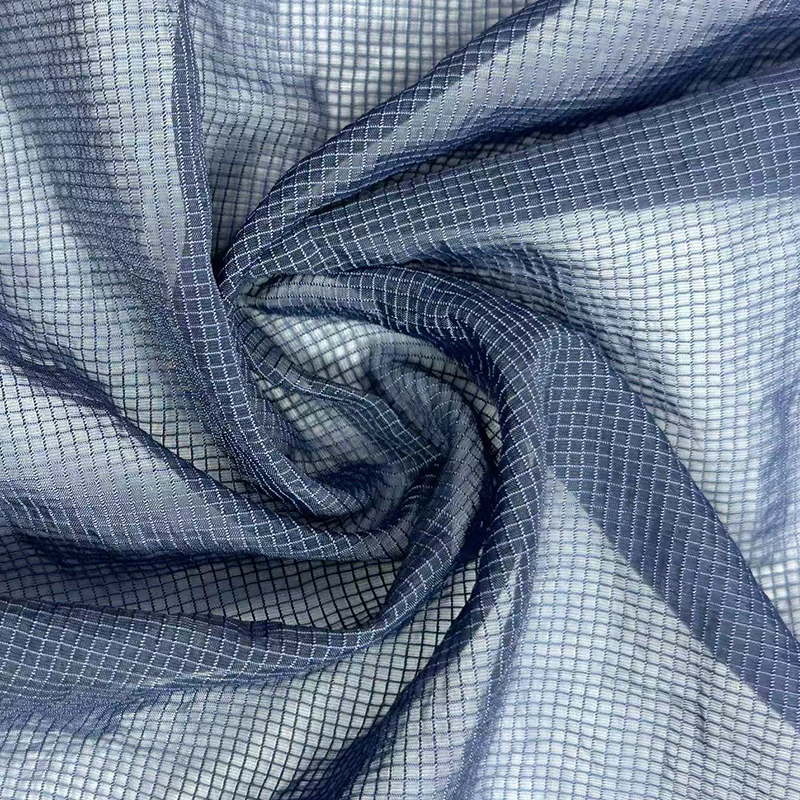
Polyester and nylon are the most widely used synthetic base layer materials. Polyester is particularly effective at moisture wicking — its hydrophobic fibers do not absorb water, so sweat is pushed outward to the fabric's surface where it evaporates quickly. Modern polyester base layers use engineered fiber structures such as channels, grids, or mesh weaves to accelerate this process. Nylon adds durability and a softer hand feel compared to standard polyester, making it a common choice in premium base layers. The main limitation of synthetics is odor retention — bacteria that cause odor thrive in synthetic fibers more readily than in natural ones, making them less ideal for multi-day trips without washing access.
Merino Wool Base Layers
Merino wool has become one of the most valued base layer materials for serious outdoor use. Unlike standard wool, merino fibers are extremely fine — typically 17 to 19 microns in diameter — which makes them soft against the skin rather than itchy. Merino naturally manages moisture through a process called absorption wicking, where fibers absorb moisture vapor before it becomes liquid sweat, then release it slowly through evaporation. This keeps you feeling drier for longer. Crucially, merino retains warmth even when wet, unlike synthetics which lose insulating ability when saturated. It also resists odor naturally due to the antimicrobial properties of lanolin and the structure of the wool fiber, making it the preferred choice for multi-day expeditions.
Mid Layer Fabrics: Trapping Heat Without Bulk
The mid layer's function is insulation — trapping body heat to maintain core warmth while remaining breathable enough to allow moisture to continue passing outward. The three dominant mid layer fabric categories are fleece, down, and synthetic insulation.
Fleece
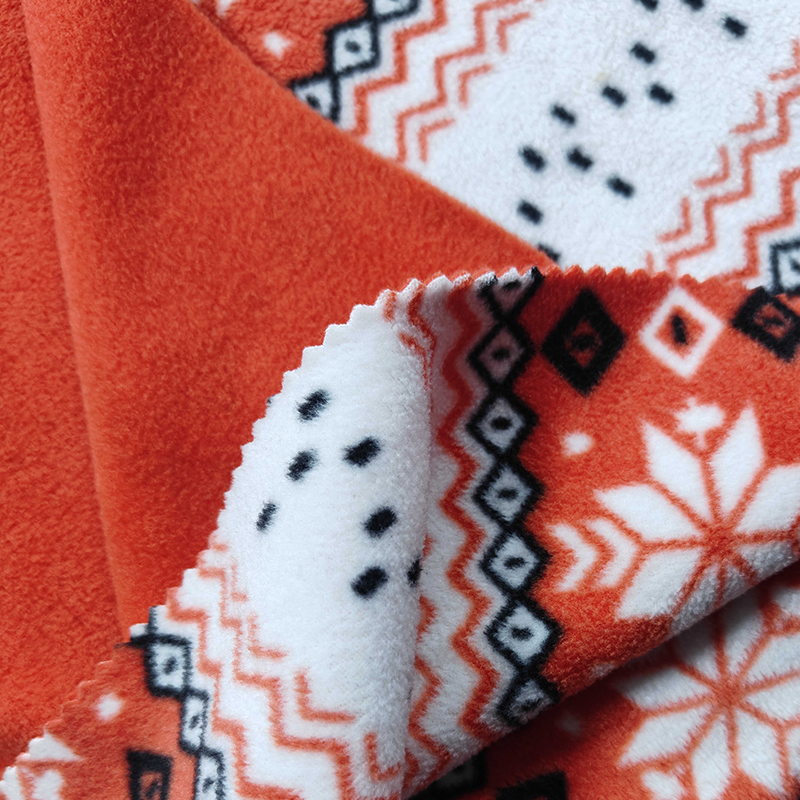
Polyester fleece is one of the most versatile and widely used mid layer materials. It is lightweight, breathable, fast-drying, and maintains insulating properties when wet. Grid fleece and thermal pro fleece use textured constructions to increase loft and warmth-to-weight ratio. Softshell fleece blends fleece with a wind-resistant outer face fabric, combining mid layer warmth with some weather protection. Fleece's primary weakness is that it is not windproof on its own and compresses less efficiently than down, making it bulkier in a pack.
Down Insulation
Down — the soft inner plumage of ducks or geese — remains the gold standard for warmth-to-weight ratio. Its fill power rating (ranging from 550 to 900+) indicates how much volume one ounce of down occupies, with higher fill power meaning greater warmth for less weight. Down compresses exceptionally well, packing into small stuff sacks ideal for alpine or ultralight travel. Its critical limitation is performance when wet: untreated down loses most of its insulating ability when saturated. Hydrophobic down treatments (such as DWR-coated down) address this to a degree, significantly improving moisture resistance without sacrificing much loft.
Synthetic Insulation
Synthetic insulation fabrics such as PrimaLoft and Thinsulate use fine polyester fibers engineered to mimic down's loft. Their key advantage is performance when wet — synthetic insulation retains a substantial portion of its warmth even when soaked. This makes it more reliable in consistently wet climates. Modern synthetic insulation has significantly closed the warmth-to-weight gap with down, though it typically still compresses less efficiently and weighs slightly more for equivalent warmth levels.
Outer Shell Fabrics: Blocking Weather While Staying Breathable
The outer shell is the garment that faces the elements directly. It must balance waterproofing or wind resistance with sufficient breathability to prevent internal moisture buildup from turning into condensation. Shell fabrics fall into two main categories: hardshell and softshell.
Hardshell Fabrics
Hardshell fabrics use waterproof-breathable membrane technology bonded to an outer face fabric. Gore-Tex is the most recognized technology in this category, using an expanded polytetrafluoroethylene (ePTFE) membrane with billions of microscopic pores — large enough to allow water vapor out but too small for liquid water droplets to enter. eVent, Pertex Shield, and Polartec NeoShell are alternative membrane technologies with varying approaches to balancing waterproofing and breathability. Hardshells are essential for sustained rain, heavy snow, and high-wind alpine conditions where maximum protection is required.
Softshell Fabrics
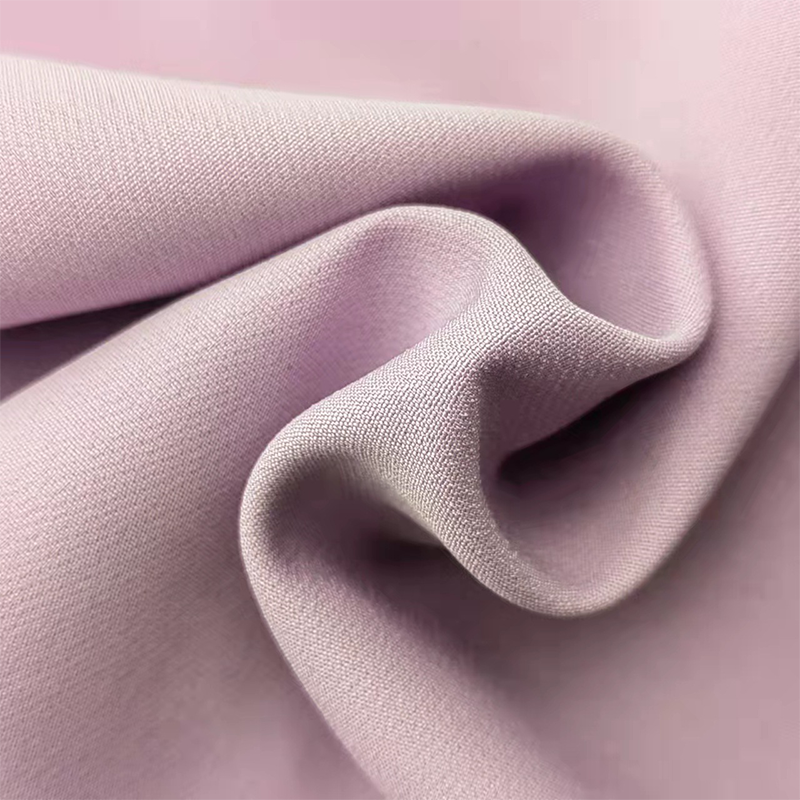
Softshell fabrics prioritize stretch, breathability, and comfort over full waterproofing. Typically constructed from woven or knit polyester or nylon with a DWR (Durable Water Repellent) finish, softshells excel in active disciplines — trail running, ski touring, and climbing — where high breathability and freedom of movement are more critical than rain protection. They handle light rain and wind effectively but are not suited to prolonged heavy precipitation. Their advantage is comfort: softshells feel more like regular athletic clothing and do not create the rustling or clammy sensation sometimes associated with hardshell membranes.
Outdoor Fabric Comparison by Layer and Use Case
The table below summarizes the most important functional outdoor fabrics by layer, primary strength, and best-use scenario:
| Fabric | Layer | Primary Strength | Weakness | Best Use |
| Polyester | Base | Fast wicking, quick dry | Odor retention | High-intensity day hikes |
| Merino Wool | Base | Odor resistance, warmth when wet | Slower drying | Multi-day expeditions |
| Fleece | Mid | Breathability, wet warmth | Not windproof | Active layering in variable weather |
| Down | Mid | Warmth-to-weight, packability | Poor when wet (untreated) | Alpine, cold and dry conditions |
| Synthetic Insulation | Mid | Warmth when wet | Heavier than down | Wet climates, high-humidity zones |
| Gore-Tex / Hardshell | Outer | Full waterproofing | Less breathable under high exertion | Sustained rain, alpine storms |
| Softshell | Outer | Stretch, breathability, comfort | Not fully waterproof | Trail running, ski touring, climbing |
How Do You Choose the Right Outdoor Fabric for Your Activity?
Selecting the right functional fabric starts with an honest assessment of the conditions you will face and the intensity of the activity you will be doing. Two key variables drive this decision: how wet the environment is likely to be and how hard you will be working.
For high-output activities in variable weather — trail running, ski touring, fast-packing — prioritize breathability at every layer. A lightweight synthetic or merino base layer, a minimal fleece or no mid layer, and a highly breathable softshell or active hardshell work best. For lower-output activities in harsh conditions — winter camping, mountaineering, glacier travel — prioritize warmth and weather protection: merino base, down or synthetic mid, and a full hardshell outer.
Climate also matters significantly. In consistently wet environments such as the Pacific Northwest, Scottish Highlands, or tropical mountain ranges, synthetic insulation and hardshell fabrics are more reliable than down. In cold and dry alpine or arctic environments, down's superior warmth-to-weight ratio makes it the clear choice. In transitional or unpredictable mountain weather, a versatile layering system with interchangeable pieces gives the most flexibility to adapt as conditions change throughout the day.
Caring for Functional Outdoor Fabrics to Maintain Performance
Functional fabrics require specific care to maintain their performance properties. DWR coatings, membrane integrity, loft in insulation, and fiber structure can all degrade with improper washing or storage.
- Wash with technical detergent: Standard fabric softeners and detergents leave residues that clog membrane pores and reduce DWR effectiveness. Use detergents specifically formulated for technical outdoor fabrics such as Nikwax Tech Wash.
- Tumble dry hardshells and down on low heat: Heat reactivates DWR coatings and restores loft in down insulation. Drying down garments with a few clean tennis balls helps break up clumped fill and restore even distribution.
- Re-apply DWR when water stops beading: When water no longer beads and rolls off the outer shell surface — instead soaking in and causing the fabric to "wet out" — breathability is compromised. Apply a wash-in or spray-on DWR treatment such as Nikwax TX.Direct to restore water repellency.
- Store insulation uncompressed: Long-term storage of down and synthetic insulation garments in stuff sacks degrades loft over time. Store them loosely in a large mesh or cotton bag to maintain fill power and insulating performance.
- Hand wash or gentle cycle merino wool: Merino wool should be washed in cool water on a wool or delicate cycle to prevent felting and shrinkage. Avoid wringing — press out excess water gently and lay flat to dry.
With the right care routine, high-quality functional outdoor fabrics can maintain their performance characteristics across many seasons of regular use, making proper maintenance one of the most cost-effective investments an outdoor enthusiast can make.