English
 English
 Español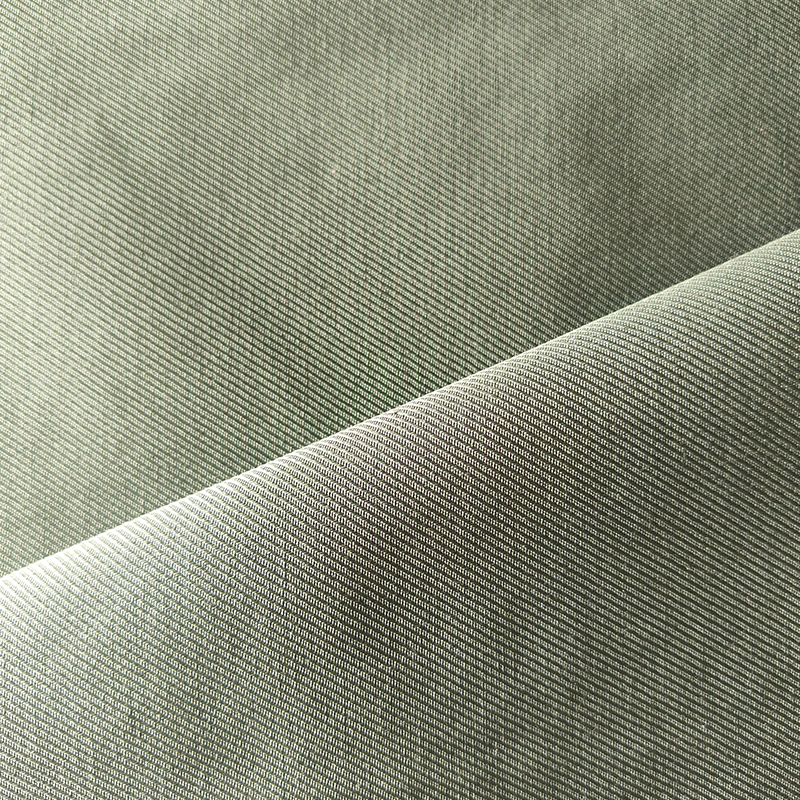
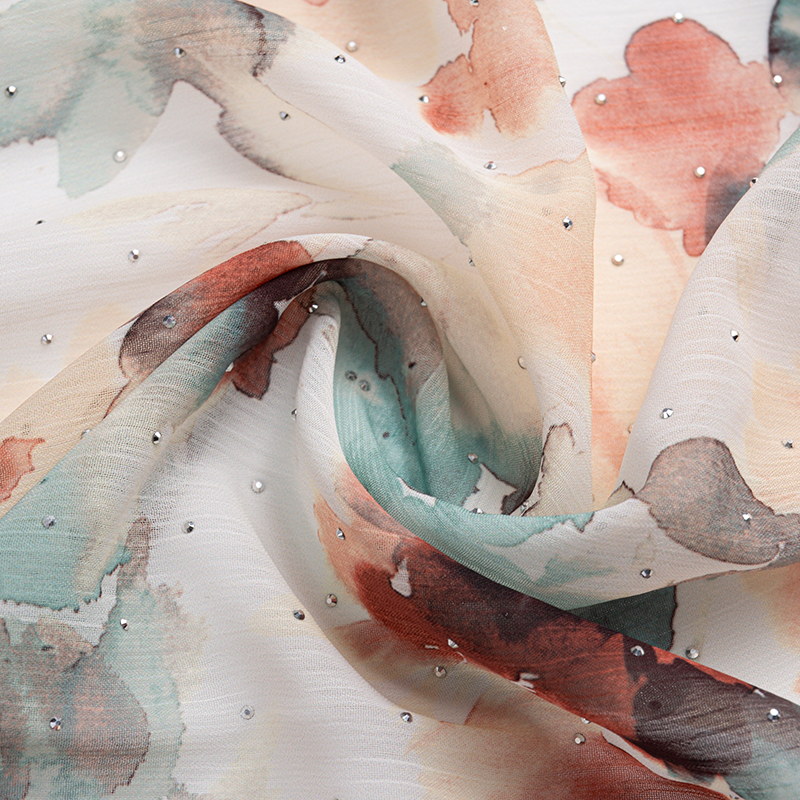
Clothing fabrics are the foundational element of every garment, determining not only how a piece looks on a hanger but how it performs across the full range of conditions in which it will be worn. For designers, manufacturers, and everyday buyers alike, fabric selection is a decision that touches on aesthetics, comfort, durability, care requirements, and cost simultaneously. A fabric that excels visually but performs poorly under regular washing, or one that is supremely durable but uncomfortable against the skin, ultimately fails the wearer regardless of how well the garment is constructed around it. This is why understanding the specific properties of different clothing fabrics — and knowing how to evaluate them against the intended end use — is a practical skill with direct consequences for both garment quality and wearer satisfaction.
Modern fashion fabrics are engineered around four core performance dimensions: fashion presentation, comfortable wear, durability and shaping, and scene adaptability. Each of these dimensions reflects a distinct set of functional requirements, and the best fabrics achieve all four simultaneously through thoughtful material selection and processing. Whether you are a fashion brand sourcing seasonal collections, a workwear manufacturer specifying woven workwear fabric for industrial or corporate uniforms, or an individual searching for clothing fabric stores near me to find the right material for a custom project, these four dimensions provide a practical framework for evaluating every fabric you encounter.
Fashion Presentation: Texture, Color, and Process
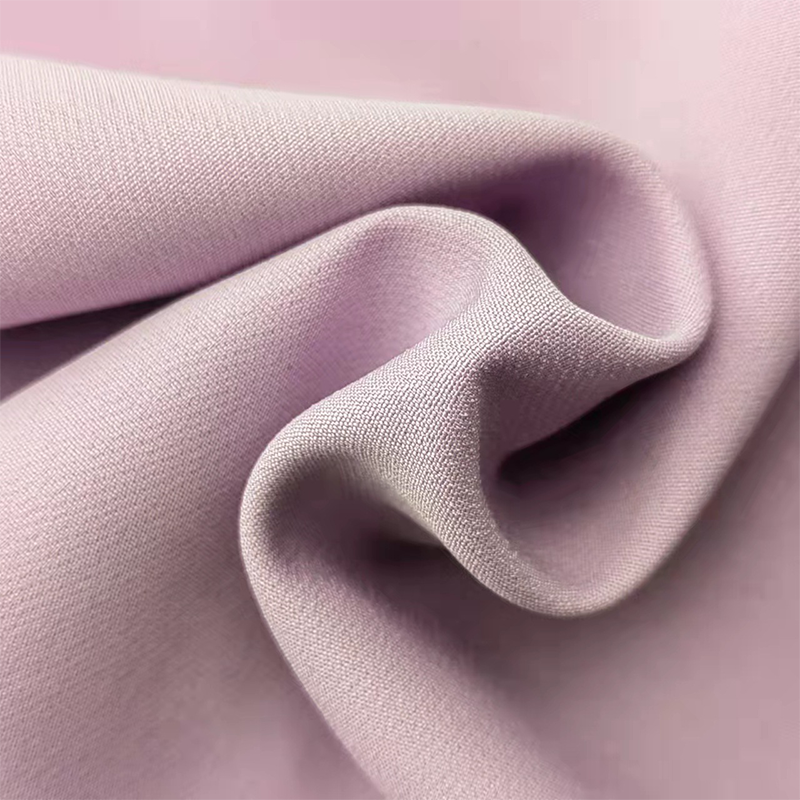
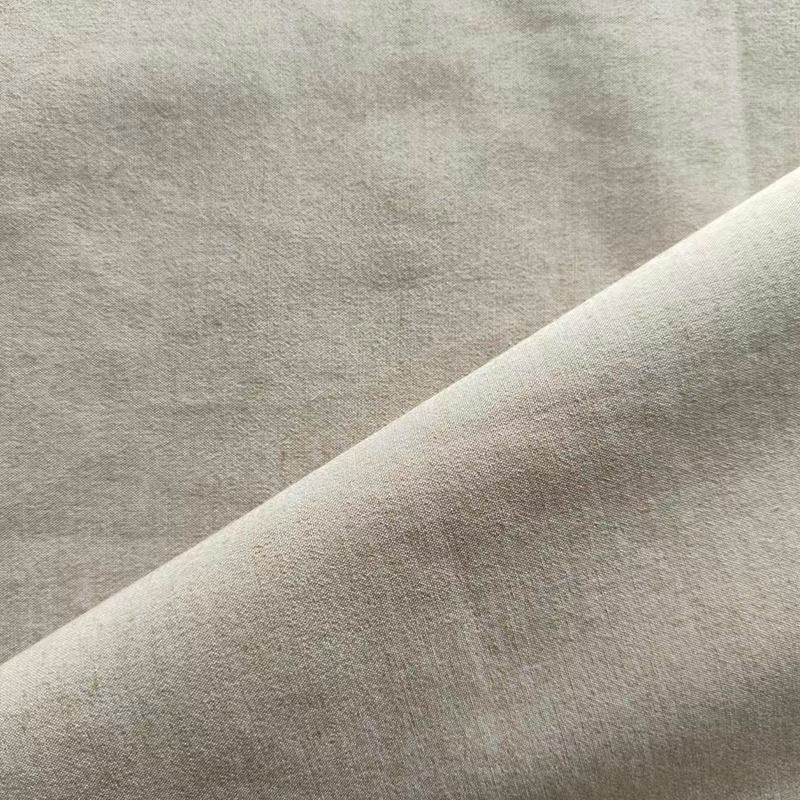
The visual and tactile surface quality of clothing fabrics is the first attribute that communicates a garment's positioning — whether it reads as casual, refined, avant-garde, or classic. Fashion presentation in fabric is achieved through the combination of base material, weave or knit structure, surface finish, and decorative process. Diverse textures ranging from the crisp smoothness of high-thread-count polyester to the organic irregularity of linen or the lustrous sheen of rayon satin give designers a rich palette of surface effects to work with across collections and seasons.
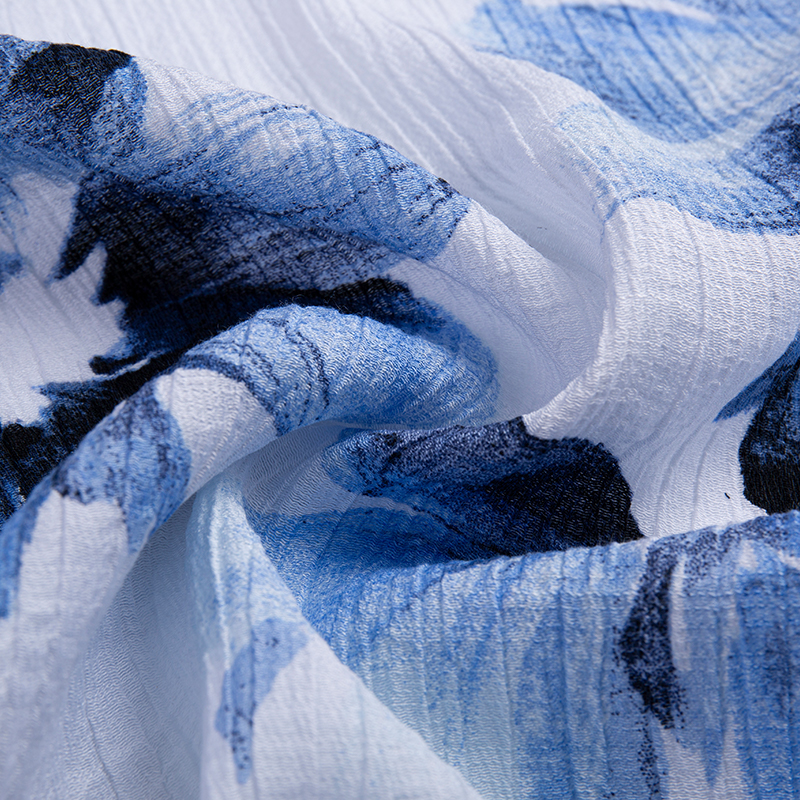
Rich color performance is achieved through dyeing processes that must be matched carefully to the fiber content. Polyester accepts disperse dyes with excellent color fastness and vibrancy, making it the preferred base for bold prints and deep saturated tones. Cotton and rayon take reactive dyes that produce a soft, natural color quality suited to earthy palettes and pastel tones. Beyond base dyeing, flexible processes such as printing, jacquard weaving, coating, and embroidery extend the expressive range of clothing fabrics dramatically. Digital printing allows photographic-resolution graphics to be applied to fabric surfaces with no minimum order constraints, while jacquard weaving creates complex woven patterns with depth and texture that printing alone cannot replicate. These process capabilities support designers' creative expression and trendsetting style across every market segment from fast fashion to luxury couture.
Comfortable Wear: Softness, Breathability, and Moisture Management
For any garment worn in close contact with the skin, comfort properties are non-negotiable performance requirements. The physical experience of wearing a garment — whether it feels soft and accommodating or rough and restrictive, whether it keeps the wearer cool and dry or traps heat and moisture — is determined almost entirely by fabric choice. Softness against the skin begins with fiber fineness: microfiber polyester and modal fibers produce fabrics with a cashmere-like hand feel at accessible price points, while natural fibers such as cotton and linen deliver comfort through their inherently rounded fiber cross-sections and moisture-absorbing cellular structures.
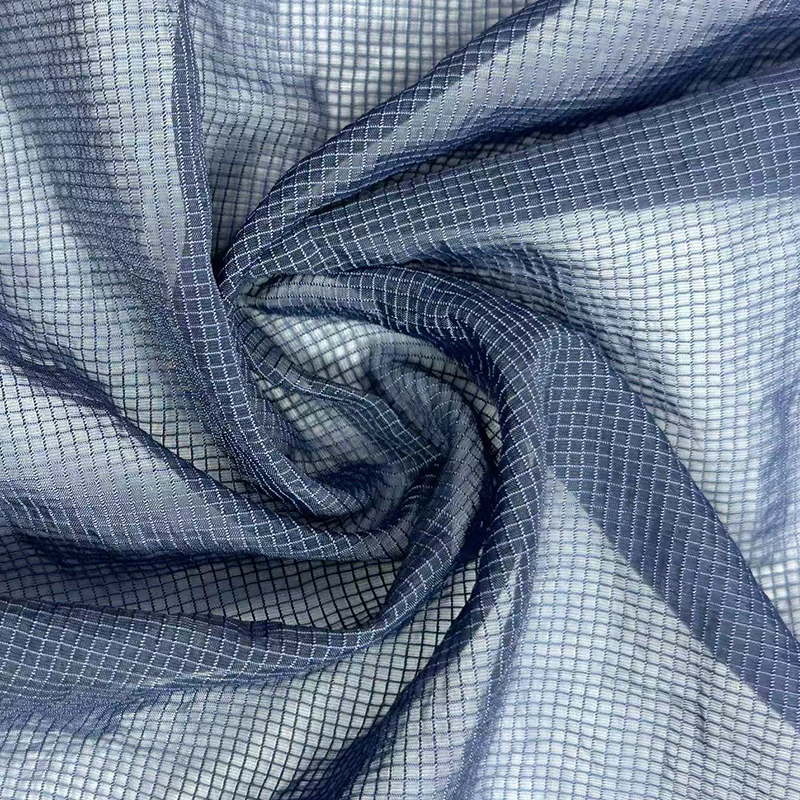
Breathability — the ability of a fabric to allow air circulation and water vapor transmission through its structure — is primarily a function of fabric construction and finishing. Open weave structures, low-density knits, and fabrics finished without heavy coatings allow body heat and perspiration vapor to dissipate freely, reducing the stuffiness and overheating that makes close-fitting garments uncomfortable during extended wear or physical activity. Moisture absorption, the capacity to take up liquid perspiration from the skin surface before it can cause discomfort, is highest in natural cellulosic fibers such as cotton and rayon, which can absorb 25–50% of their own weight in water before feeling wet to the touch. Fabric engineers balance these natural comfort properties with the durability and shape retention advantages of synthetic fibers through strategic fiber blending, producing clothing fabrics that reduce the feeling of restriction and stuffiness in everyday wear.
Woven Workwear Fabric: Durability, Function, and Professional Appearance
Woven workwear fabric occupies a specialized segment within the broader clothing fabrics category, defined by its requirement to perform reliably under the physical demands of occupational use while maintaining a professional appearance through repeated industrial laundering. Unlike fashion fabrics where aesthetic priorities can occasionally be traded against functional ones, woven workwear fabric must satisfy both dimensions simultaneously — garments that look professional on day one but deteriorate after ten washes, or fabrics that are extremely durable but uncomfortable to wear during an eight-hour shift, fail to meet the practical standard that workwear demands.
Construction Characteristics of Quality Workwear Fabric
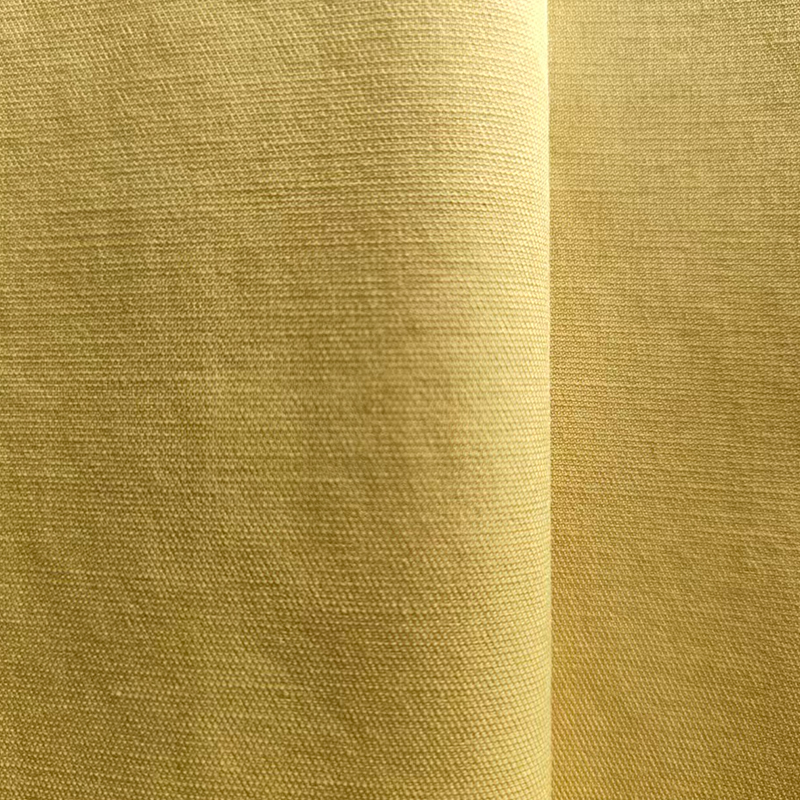
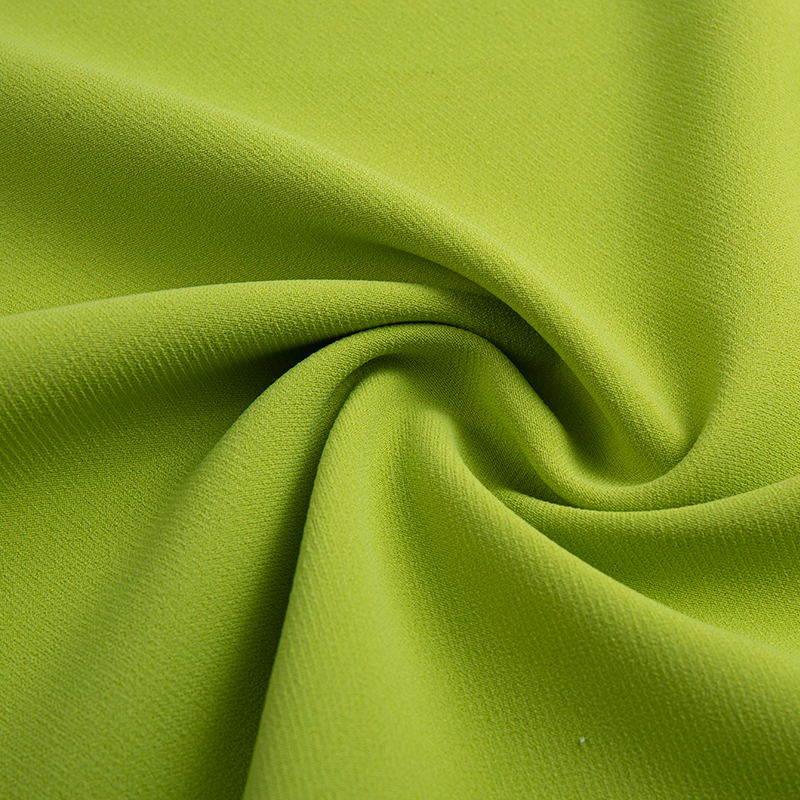
The woven construction of workwear fabric — as distinct from knitted structures — provides the dimensional stability, tear resistance, and shape retention that occupational garments require. Plain weave, twill weave, and ripstop constructions are the most commonly specified woven structures for workwear, each offering a different balance of properties. Twill weaves, which produce the characteristic diagonal rib seen in drill and chino fabrics, offer superior abrasion resistance and drape compared to plain weave at equivalent fabric weight, making them the dominant choice for trousers, jackets, and coveralls across industries from construction to hospitality.
Fiber content selection for woven workwear fabric typically centers on polyester-cotton blends, which combine the dimensional stability and wrinkle resistance of polyester with the comfort and moisture management of cotton. Common blend ratios include 65% polyester / 35% cotton and 80% polyester / 20% cotton, with higher polyester content favored for applications requiring maximum wrinkle resistance and color retention after repeated washing. Pure cotton workwear fabrics are specified where skin comfort is the primary requirement, such as in healthcare and food service. Nylon content is added in fabrics for applications requiring enhanced abrasion resistance, such as cargo trousers for outdoor and logistics workers.
Functional Finishes for Workwear Applications
Chemical finishing treatments applied to woven workwear fabric extend its functional capability beyond what the base fiber and construction alone can provide. Key functional finishes include wrinkle resistance treatments that crosslink cellulose fiber chains to maintain crease recovery, soil release finishes that reduce the adhesion of oil-based stains for easier laundering, and antimicrobial treatments that inhibit bacterial and odor development during extended wear periods. For specialized industrial applications, additional finishes provide flame retardancy, electrostatic dissipation, water and oil repellency, or high-visibility retroreflective properties — each addressing specific occupational hazard requirements defined by safety standards such as EN ISO 11612 or NFPA 2112.
Common Clothing Fabric Types and Their Best Uses
Matching fabric type to end use is the central skill in fabric specification. The following table summarizes the most widely used clothing fabrics, their key properties, and the applications they serve best:
| Fabric Type | Key Properties | Best Applications |
| Polyester (woven/knit) | Wrinkle resistant, durable, color-fast | Workwear, uniforms, activewear |
| Cotton | Soft, breathable, moisture absorbent | Casual wear, healthcare, shirts |
| Nylon | High abrasion resistance, lightweight | Outerwear, cargo wear, performance |
| Rayon / Viscose | Soft drape, moisture absorption, sheen | Dresses, blouses, evening wear |
| Linen | Highly breathable, textured, cool | Summer wear, resort, casual formal |
| Polyester-Cotton Blend | Balanced comfort and durability | Woven workwear fabric, daily wear |
Scene Adaptability: Choosing Fabric for Every Occasion
One of the most practically valuable properties of well-engineered clothing fabrics is their ability to serve multiple wearing contexts through material combinations and process adjustments. Scene adaptability reflects the reality that modern wardrobes must function across a wide range of social and professional contexts — daily commutes, formal occasions, parties, and evening banquets — often without the luxury of entirely separate garment wardrobes for each setting. Fabrics that look equally appropriate under office lighting and evening ambiance, that maintain their structure through a full working day and into a dinner engagement, deliver genuine utility value to the wearer.
Achieving this cross-context performance requires careful engineering of both the fabric's visual surface and its physical behavior. A suiting fabric woven from fine polyester-rayon blend achieves the clean drape and surface sheen of a formal material while resisting the creasing that pure rayon would develop through a day of sitting and travel. A stretch-woven fabric incorporating a small percentage of elastane maintains the sharp silhouette of structured tailoring while allowing the freedom of movement that active daily wear demands. These technical achievements are what allow clothing fabrics to serve as a key carrier for balancing fashion aesthetics and practicality, helping fashion achieve a unity of artistic expression and everyday wear.
Finding Clothing Fabric Stores Near Me: What to Look For
When searching for clothing fabric stores near me — whether for a small design studio, a production sourcing need, or a personal sewing project — the quality of the supplier relationship matters as much as the fabric range on offer. A good fabric supplier provides not only broad material selection but also accurate technical information about each fabric's fiber content, weight, construction, and performance characteristics, enabling you to make informed decisions rather than guessing from a hand feel alone.
When evaluating fabric stores and suppliers, consider the following practical criteria:
- Sample availability: Reputable suppliers provide cut samples or sample yardage before committing to bulk orders, allowing you to test washability, color fastness, and hand feel under real conditions.
- Technical data sheets: Quality suppliers document fabric weight (gsm), fiber content, weave structure, shrinkage rates, and care instructions for every product in their range.
- Minimum order flexibility: For smaller design houses or custom projects, suppliers who offer low minimum order quantities or cut-length purchasing provide the flexibility needed to work across multiple fabric types without excess inventory.
- Certification and compliance: For workwear or childrenswear applications, verify that fabrics meet relevant safety certifications such as OEKO-TEX Standard 100 for chemical safety or EN standards for occupational protective clothing.
- Consistent stock availability: For production programs requiring repeat orders, confirm that the supplier maintains consistent stock of core fabrics to avoid color or quality variation between production runs.
Whether sourcing fashion-forward materials for a seasonal collection or specifying woven workwear fabric for a corporate uniform program, applying these criteria when evaluating clothing fabric stores near me ensures that the supplier relationship supports consistent quality outcomes across every project and production cycle.