English
 English
 Español
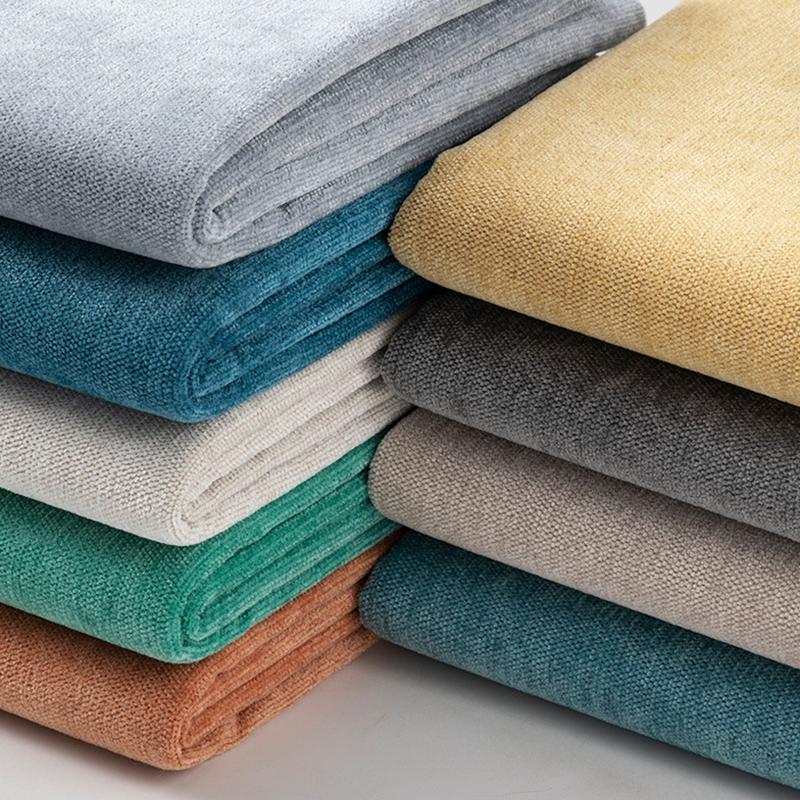
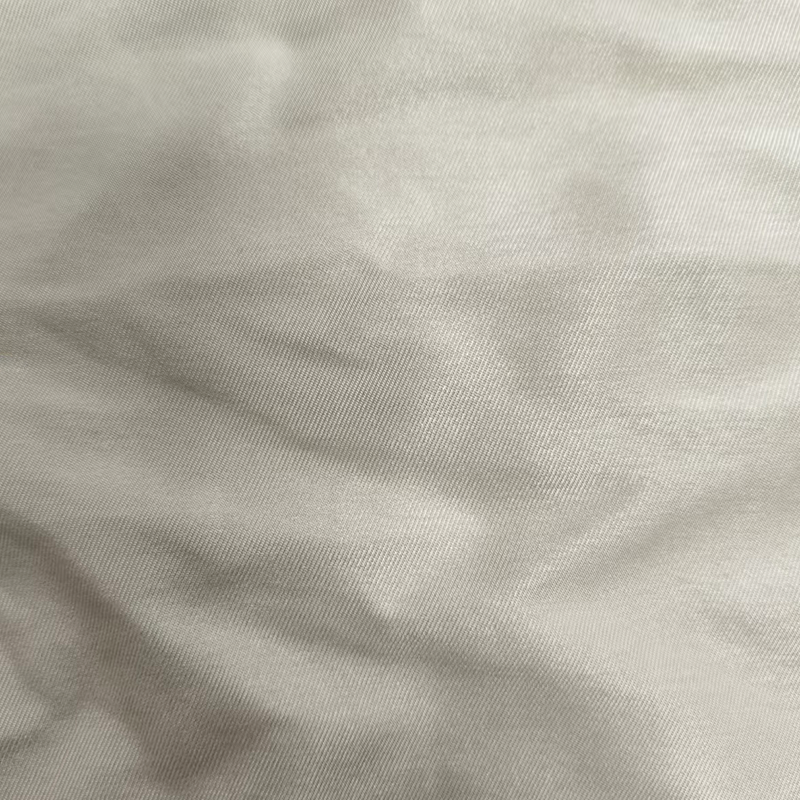
The Four Functional Dimensions of Home Textiles Fabrics
Home textiles fabrics are engineered around the specific demands of domestic living environments, where performance requirements extend far beyond simple aesthetics. The core functions of home textile fabrics are designed around four interconnected dimensions — comfort, protection, durability, and aesthetics — each addressing a distinct aspect of how fabrics are experienced and relied upon in daily home life. Understanding these dimensions in practical terms is the foundation for making informed fabric selections across bedding, curtains, upholstery, toweling, and pajamas fabric applications.
These functions are achieved through a combination of raw material selection — polyester, rayon, cotton, linen, and blended constructions — and the processing techniques applied during fabric finishing, including printing, jacquard weaving, coating, and functional chemical treatments. The interaction between fiber type, yarn construction, fabric structure, and finishing determines how effectively a given home textile fabric delivers against each functional requirement in real-world use conditions. No single material excels across all four dimensions simultaneously, which is why fabric blending and finishing technology play such a central role in modern home textile development.
Comfort Properties: Softness, Breathability, and Moisture Management
Comfort is the primary performance dimension for home textiles fabrics used in direct skin contact applications — bedding, pajamas fabric, and bath toweling — where the tactile experience of the fabric directly affects sleep quality, thermal comfort, and daily wellbeing. The comfort properties of home textile fabrics encompass softness and skin-friendliness, breathability, and moisture-wicking performance, each contributing to the creation of a warm and comfortable sleeping and living environment.
Softness and Skin-Friendliness
Fabric softness is determined by fiber fineness, yarn twist level, fabric construction, and finishing treatments. Fine-count cotton and microfiber polyester home textiles fabrics achieve softness through reduced fiber diameter — finer fibers create more contact points per unit area with the skin, producing a smooth, gentle surface feel. Enzyme washing, brushing, and chemical softening treatments applied during finishing further enhance the tactile softness of base fabrics, with repeated laundering behavior a critical test of whether softness is durable or merely a surface treatment effect that diminishes after washing.
Breathability and Moisture-Wicking
Breathability — the ability of a fabric to allow air and water vapor to pass through — is essential in bedding and pajamas fabric applications where body heat and perspiration must be dissipated to maintain comfortable sleep temperature. Natural fibers such as cotton and linen achieve breathability through their hydrophilic fiber structure and the open weave or knit constructions typical in home textile end uses. Polyester home textiles fabrics achieve moisture management through engineered cross-section fiber profiles — such as star-shaped or trilobal cross-sections — that create capillary channels promoting rapid moisture transport away from the skin surface, a mechanism that can outperform natural fibers in moisture-wicking speed even if cotton retains advantages in overall moisture absorption capacity.
Polyester Home Textiles Fabrics: Properties and Practical Advantages
Polyester home textiles fabrics represent the largest single material category in the global home textile market, valued for a combination of cost efficiency, dimensional stability, color vibrancy, and functional versatility that no natural fiber can match across the full range of home textile applications. Understanding polyester's specific property profile — its genuine advantages and the limitations that make blending and finishing so important — is essential for anyone specifying or sourcing home textile fabrics.
Polyester's core advantages in home textile applications stem from its synthetic origin. As a thermoplastic polymer, polyester fiber can be produced in virtually any cross-section, denier, and crimp profile, enabling fabric designers to engineer specific combinations of softness, loft, moisture management, and thermal insulation that are impossible to achieve with natural fibers alone. Polyester's low moisture absorption — typically less than 0.4% by weight, compared to 8% for cotton — means polyester home textiles fabrics dry rapidly after washing, resist mildew in humid storage conditions, and maintain their dimensional stability through repeated laundry cycles without the shrinkage that affects natural fiber fabrics.
In printing applications, polyester home textiles fabrics accept disperse dye sublimation printing with exceptional color depth, sharpness, and light fastness — producing the vibrant, photographic-quality patterns that characterize premium decorative bedding and cushion cover ranges. The color fastness of disperse-dyed polyester to washing and light exposure significantly exceeds that achievable on cotton with reactive dyes, making polyester the material of choice for home textile applications where design integrity must be maintained through years of use and laundering.
Protective Functions: Antibacterial, Anti-Mite, and Water Resistance
The protective functions of home textiles fabrics address hygiene and safety requirements that are particularly relevant in the bedroom and bathroom — environments where fabrics come into extended contact with the human body and where microbial growth, allergen accumulation, and liquid penetration present genuine health and maintenance concerns. Antibacterial, anti-mite, waterproof, and stain-resistant properties in home textile fabrics ensure home hygiene and safety in practical, demonstrable ways.
- Antibacterial treatment — Silver ion, zinc pyrithione, and quaternary ammonium compound finishes applied to home textiles fabrics inhibit the growth of bacteria responsible for odor development and fabric degradation. Effective antibacterial treatments must demonstrate durability through 50 or more wash cycles to provide meaningful protection in service, and should be tested to ISO 20743 or AATCC 100 standards to confirm efficacy claims.
- Anti-mite properties — House dust mites colonize bedding fabrics and produce allergens that trigger asthma and allergic rhinitis in sensitive individuals. Anti-mite home textile fabrics use either tightly woven barrier constructions — with pore sizes below 6 microns that physically exclude mites — or chemical repellent finishes that discourage mite colonization. Barrier fabrics are generally preferred for their durability, as chemical treatments may diminish with repeated washing.
- Waterproof and water-resistant finishes — Durable water repellent (DWR) finishes applied to home textiles fabrics cause water to bead and roll off the surface rather than being absorbed, protecting underlying substrates from moisture damage and making accidental spills easier to address before staining occurs. Fully waterproof coatings using polyurethane or acrylic backing are used in mattress protectors and table linens where liquid barrier performance must be absolute.
- Stain resistance — Fluorocarbon or silicone-based stain release finishes reduce the surface energy of home textile fabrics, causing oil- and water-based stains to remain on the surface rather than being absorbed into the fiber structure, making removal easier with normal cleaning methods. This property is particularly valued in upholstery fabrics and table textiles where staining incidents are frequent.
Durability: Wear Resistance, Pilling, and Washability
Durability in home textiles fabrics is reflected in wear resistance, pilling resistance, and washability without deformation — properties that determine how long the fabric maintains its appearance and functional performance through the cumulative effect of normal use and repeated laundering. Home textile fabrics are among the most frequently laundered textile products in domestic use, with bedding washed weekly in many households and toweling washed even more frequently. Fabrics that fail to maintain their dimensional stability, surface integrity, and color through this laundry cycle generate replacement costs and consumer dissatisfaction that damage brand reputation.
| Fabric Type | Pilling Resistance | Wash Shrinkage | Abrasion Resistance |
| 100% Polyester | Moderate — improves with high twist yarn | Very low (<1%) | Excellent |
| 100% Cotton | Good — natural fiber anchors well | Moderate (2–4%) | Good |
| Polyester/Cotton Blend | Very good | Low (1–2%) | Very good |
| Rayon | Moderate | High (3–5% if untreated) | Moderate |
| Linen | Excellent — low pilling tendency | Low after pre-washing | Excellent |
Pilling — the formation of small fiber balls on the fabric surface caused by fiber ends working free and tangling — is among the most visible durability failure modes in home textiles fabrics and a frequent source of consumer complaints. Pilling tendency is reduced by using longer fiber lengths (which anchor more securely in the yarn structure), higher yarn twist, tighter fabric constructions, and anti-pilling finishing treatments. Polyester home textiles fabrics made from high-tenacity, high-twist yarns in tight weave constructions achieve pilling resistance ratings of Grade 4 to 5 on the Martindale or ICI pill box test — matching or exceeding the performance of premium cotton constructions.
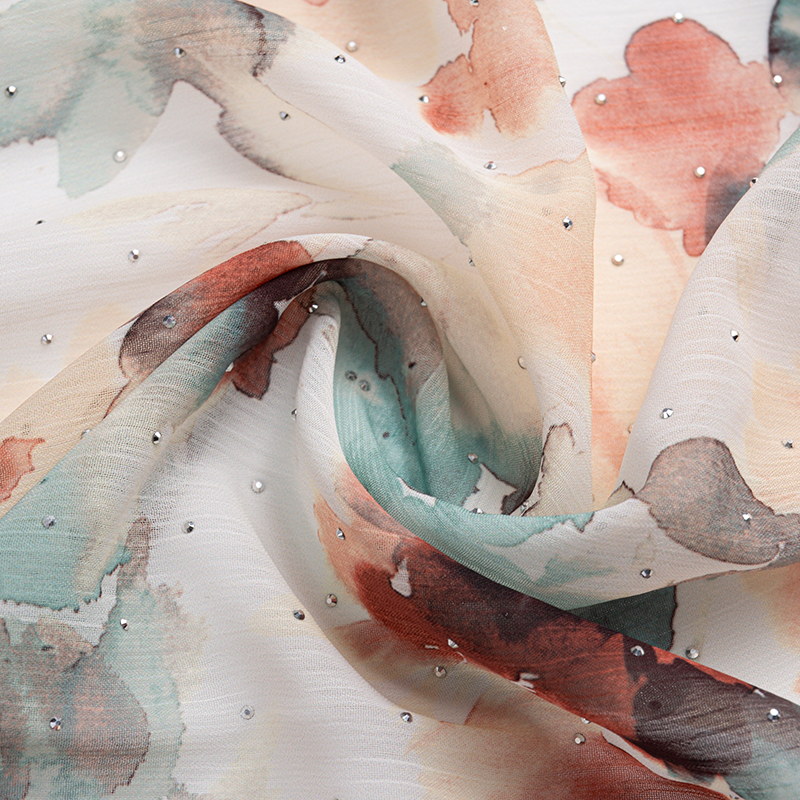
Pajamas Fabric: Specific Requirements for Sleepwear Applications
Pajamas fabric occupies a distinct position within home textiles fabrics because its performance requirements are shaped by the specific physiological conditions of sleep — reduced body movement, elevated skin temperature, perspiration, and extended contact duration that can reach eight hours per night. The fabric must feel comfortable against skin that is more sensitive during rest, manage the moisture generated by normal nocturnal perspiration, and maintain these properties through the frequent washing that sleepwear demands.
The most widely used pajamas fabric constructions include woven cotton poplin and flannel for structured pajama sets, jersey knit in cotton or polyester blends for more casual sleepwear, and brushed microfiber polyester for premium soft-hand pajamas that offer the plush, velvety surface feel associated with luxury sleepwear at accessible price points. Brushed microfiber polyester pajamas fabric — produced by raising the fabric surface to create a dense pile of fine fiber ends — has grown rapidly in market share by delivering a softness level that rivals cashmere at a fraction of the cost, with the added practical advantages of polyester's dimensional stability and rapid drying performance.
Flame retardancy is a regulatory requirement for children's pajamas fabric in multiple major markets, including the United States (CPSC 16 CFR 1615/1616) and the United Kingdom (BS 5722). Compliance can be achieved either through inherently flame-resistant fiber blends or through durable flame retardant chemical finishes applied during fabric processing. For adult sleepwear, while regulatory requirements are less stringent in most markets, the trend toward OEKO-TEX and GOTS certified pajamas fabric reflects growing consumer demand for chemical safety assurance in fabrics used in extended skin contact applications.
Aesthetic Functions: Texture, Color, Printing, and Jacquard
Aesthetics in home textiles fabrics are achieved through rich textures, vibrant colors, and diverse processes such as printing and jacquard, adapting the fabric to different home styles ranging from minimalist contemporary to ornate traditional. The aesthetic dimension of home textile fabrics is not superficial — visual and tactile design quality directly influences purchasing decisions, perceived product value, and the extent to which home textiles contribute to the interior environment's overall character and comfort.
- Reactive and digital printing on cotton — Reactive dye printing on cotton home textiles fabrics produces soft-hand, breathable printed surfaces with good wash fastness, suited to bedding and curtain applications where natural fiber comfort and printability are both required. Digital inkjet printing enables short-run, photographic-quality designs without screen preparation costs, making it ideal for design-led home textile collections with frequent pattern updates.
- Disperse printing on polyester home textiles fabrics — Sublimation transfer and direct disperse printing on polyester delivers the highest color saturation and design sharpness available in home textile printing, with outstanding light fastness that maintains color vibrancy through years of use and washing. This process dominates premium decorative bedding and cushion cover production.
- Jacquard weaving — Jacquard-woven home textiles fabrics incorporate the pattern directly into the fabric structure through controlled weave variation, producing designs with inherent depth, dimensional texture, and color stability that printed fabrics cannot replicate. Damask, matelassé, and brocade constructions produced on jacquard looms are associated with premium bedding and decorative cushion applications where the fabric's tactile and visual richness is central to the product's value proposition.
- Embossing and surface texturing — Thermal embossing of polyester home textiles fabrics creates permanent three-dimensional surface patterns — geometric, floral, or abstract — that add visual interest and tactile character to plain-dyed base fabrics without the cost of jacquard weaving or the complexity of printing. Embossed polyester fabrics are widely used in decorative bedding covers, pillow shams, and upholstery applications where a textured surface appearance is desired at competitive price points.