English
 English
 Español
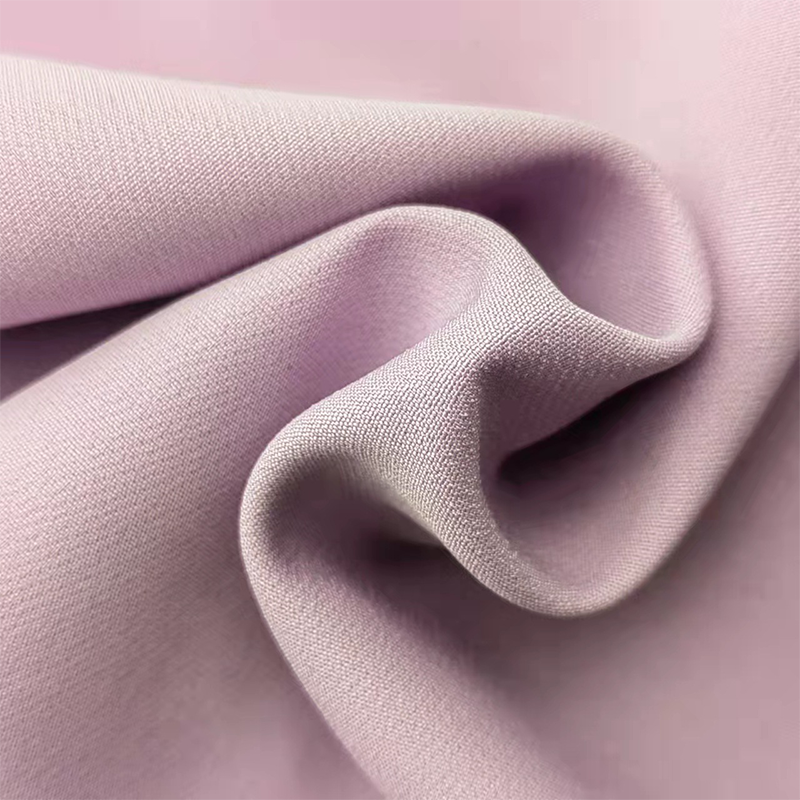
What Makes Sports Fabrics Different from Conventional Textiles
Sports fabrics are engineered to perform under conditions that would expose the limitations of standard apparel textiles within minutes. The combination of physical exertion, perspiration, repeated stretching, and exposure to outdoor elements creates a demanding multi-factor test environment that conventional woven or knitted fabrics are simply not designed to handle. The result of decades of textile engineering development is a category of technical materials that simultaneously address comfort, motion support, durability, and aesthetics — not as competing priorities, but as integrated design outcomes.
The core functions of sportswear fabrics are structured around four primary performance dimensions: comfort and fit, sports support, durability, and style. Each dimension is addressed through deliberate material selection and processing technology choices, with the specific balance between them adjusted to the intended use case — whether that is high-intensity interval training, long-distance trail running, studio yoga, or urban commuting in activewear. Understanding how these dimensions interact is the foundation for making informed decisions when specifying or sourcing sports fabrics for garment production.
Comfort and Fit: Breathability, Moisture Management, and Skin Feel
Comfort in sports fabrics begins at the fiber level and is refined through fabric construction and finishing. The primary comfort requirements — breathability, sweat-wicking performance, and soft hand feel against the skin — each depend on different structural and chemical properties of the textile, and achieving all three simultaneously requires deliberate engineering trade-offs at every stage of fabric development.
Moisture Wicking and Sweat Transport
Effective moisture management in sports fabrics works through capillary action — moisture is drawn from the skin surface into the fabric structure and transported outward to the exterior face where it can evaporate. Polyester microfiber constructions are the dominant choice for this function: the fine filament diameter creates high surface area within the yarn, accelerating capillary transport, while the inherently hydrophobic polymer chemistry ensures that moisture moves through the fabric rather than being retained within the fiber. Quick-drying coatings and hydrophilic finishes applied during processing further optimize the moisture gradient between the inner and outer fabric faces, improving the speed of sweat transfer away from the body.
Waterproof Breathable Sports Fabrics: Balancing Protection and Airflow
Waterproof breathable sports fabrics address one of the most technically demanding requirements in performance apparel: preventing external water ingress while simultaneously allowing water vapor from perspiration to escape. This dual function is achieved through membrane lamination technology — a microporous or monolithic polymer membrane, typically expanded PTFE (ePTFE) or polyurethane, is bonded to the outer shell fabric. The membrane pore structure is sized to block liquid water droplets while remaining permeable to water vapor molecules, enabling continuous moisture vapor transmission even when the outer surface is fully wetted.
The practical performance of waterproof breathable sports fabrics is characterized by two key metrics: hydrostatic head pressure (measuring water resistance, typically specified at 10,000 mm H₂O or above for active outdoor use) and moisture vapor transmission rate (MVTR), expressed in grams per square meter per 24 hours. High-specification fabrics for trail running, skiing, and mountain sports target MVTR values above 15,000 g/m²/24h to maintain comfort during sustained aerobic output.
Skin Comfort and Reduced Restriction
Softness against the skin is addressed through fiber fineness (expressed in dtex or denier), surface brushing treatments, and the inclusion of natural or semi-synthetic fiber blends. Cotton-polyester blends retain the soft, familiar hand feel of cotton while incorporating polyester's moisture management and dimensional stability. For next-to-skin base layers and yoga applications, the combination of fine polyester microfiber with elastane produces fabrics that feel smooth and weightless while providing the stretch characteristics required for unrestricted movement.
Sports Support: Elasticity, Stretch Recovery, and Dynamic Movement
Sports support in fabric performance refers to the mechanical properties that allow a garment to move with the body during dynamic activity without restricting range of motion, losing its shape, or applying uncomfortable compressive forces. This dimension is primarily addressed through the inclusion of elastic fiber components — most commonly elastane (Lycra/spandex) — blended with the primary fiber at proportions typically ranging from 5% to 25% depending on the target application.
Stretch recovery — the ability of the fabric to return to its original dimensions after elongation — is as important as raw stretch capacity. A fabric that stretches readily under movement loads but recovers slowly or incompletely will bag out at the knees, elbows, and seat over the course of a single wear, compromising both fit and appearance. Elastic knit constructions using high-quality elastane with low permanent set values are the standard specification for running tights, cycling shorts, and compression garments where dimensional stability under repeated dynamic loading is essential.
For sports requiring multidirectional movement — yoga, dance, martial arts, CrossFit — four-way stretch fabrics (stretching in both the warp and weft directions) are specified to ensure that the garment adapts to body movement in any plane without creating localized tension points. Warp-knit constructions with elastane in both directions are the primary fabric architecture used for this requirement.
Durability: Abrasion Resistance, Wash Performance, and Pilling Control
The durability requirements of sports fabrics are substantially more demanding than those of casual apparel, reflecting both the physical stresses of use and the frequency of laundering typical of active wearers. Durability in sports fabrics encompasses three distinct failure modes that must each be addressed through material and construction choices:
- Abrasion resistance — resistance to surface degradation from contact friction, relevant in running (shoe-upper contact, seam abrasion), cycling (saddle contact areas), and outdoor sports (pack straps, harness contact). Tight woven constructions with high-tenacity filament yarns provide superior abrasion resistance compared to open knits or staple fiber yarns
- Wash resistance — retention of dimensional stability, color fastness, and functional finish performance through repeated machine washing. Polyester and nylon base fabrics maintain their mechanical properties through significantly more wash cycles than natural fiber alternatives; functional finishes such as DWR (durable water repellency) and antibacterial treatments are formulated to withstand a minimum of 25–50 wash cycles before reapplication is required
- Pilling resistance — prevention of the fiber bobbling on the fabric surface that degrades appearance over time. Pilling is most pronounced in fabrics incorporating short staple fiber content; continuous filament polyester and nylon constructions are inherently more resistant to pilling than cotton or cotton-blend equivalents, making them the preferred choice for sportswear where maintained appearance over extended service life is valued
The relationship between durability and comfort sometimes presents design trade-offs: tighter, denser constructions that maximize abrasion resistance may reduce breathability and increase fabric weight. Fabric engineers address this through selective zoning — using higher-durability constructions in high-stress areas and more open, breathable constructions in ventilation zones — a design approach increasingly enabled by seamless knitting technology.
Primary Fiber and Material Systems Used in Sports Fabrics
The performance characteristics of sports fabrics are fundamentally determined by the fiber types used in their construction. Each fiber system brings a distinct combination of properties, and the selection — or blending — of fibers is the primary engineering decision in sportswear fabric development.
| Fiber Type | Key Properties | Typical Applications |
|---|---|---|
| Polyester (PET) | Moisture wicking, quick-dry, durable, color-stable | Running, cycling, team sports, base layers |
| Nylon (Polyamide) | High abrasion resistance, smooth hand, lightweight | Swimwear, tights, outerwear shell fabrics |
| Elastane (Spandex) | High stretch, excellent recovery, shape retention | Compression garments, yoga, dance, fitted activewear |
| Cotton-Polyester Blend | Soft hand feel, breathable, moderate moisture management | Casual activewear, athleisure, training t-shirts |
| Merino Wool | Natural odor resistance, temperature regulation, soft | Trail running, hiking, outdoor base layers |
| Recycled Polyester (rPET) | Equivalent performance to virgin polyester, reduced carbon footprint | Sustainable sportswear across all categories |
Processing Technologies That Define Sports Fabric Performance
The base fabric construction establishes the foundational performance ceiling, but processing technologies applied during finishing determine how fully those properties are realized in the finished garment and how consistently they are maintained across the product's service life. The most commercially significant processing technologies for sports fabrics include:
- Quick-drying coatings — hydrophilic chemical finishes that modify the surface energy of synthetic fibers, accelerating the spread and evaporation of moisture across the fabric face; critical for fabrics used in high-perspiration activities such as running and HIIT training
- Antibacterial finishing — silver ion, zinc pyrithione, or PHMB-based antimicrobial treatments bonded to the fiber surface that inhibit the growth of odor-causing bacteria; important for base layers and high-contact areas in multi-day outdoor or endurance sports applications
- Durable water repellency (DWR) — fluorocarbon or fluorine-free polymer treatment applied to the outer face of shell fabrics to cause water to bead and roll off rather than wetting out; essential for the outer layer of waterproof breathable sports fabrics where membrane performance degrades when the shell fabric becomes saturated
- UV protection finishing — inorganic UV absorbers (titanium dioxide, zinc oxide) or organic UV stabilizers applied during dyeing or finishing to achieve UPF ratings of 30–50+; relevant for outdoor sports fabrics where extended sun exposure is a use condition
- Embossing and texture techniques — calendering, embossing, and raised surface treatments that add visual and tactile texture depth, contributing to the style dimension of sports fabrics without compromising functional performance
Style and Aesthetics: Where Athletic Performance Meets Everyday Fashion
The contemporary sportswear market demands that sports fabrics deliver not only technical performance but also the visual and tactile appeal expected of fashion-forward casual apparel. The convergence of athletic and lifestyle dressing — often described as athleisure — has elevated aesthetic requirements to the same priority level as functional performance in many market segments.
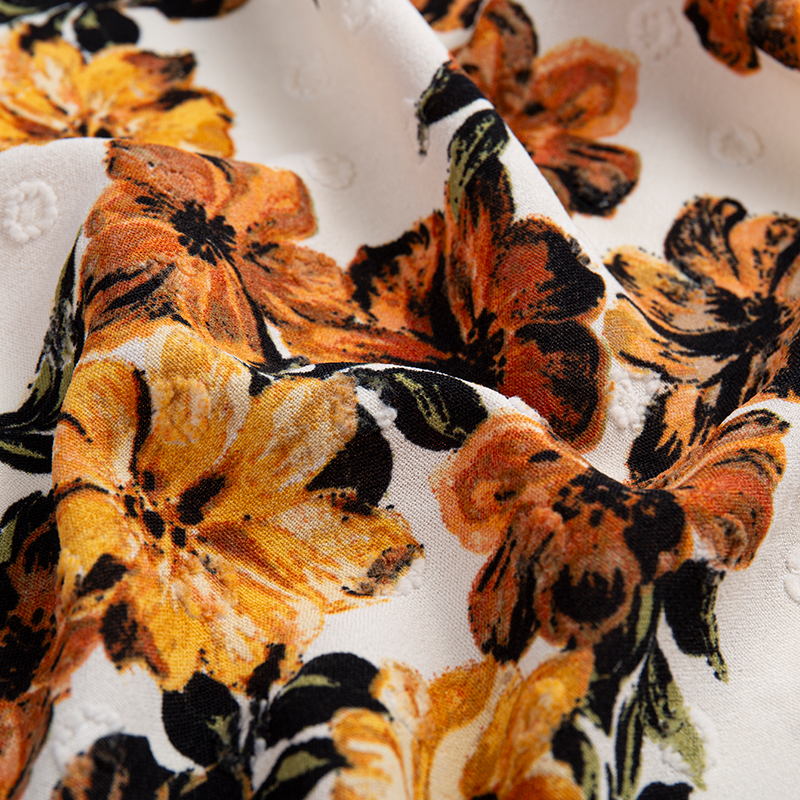
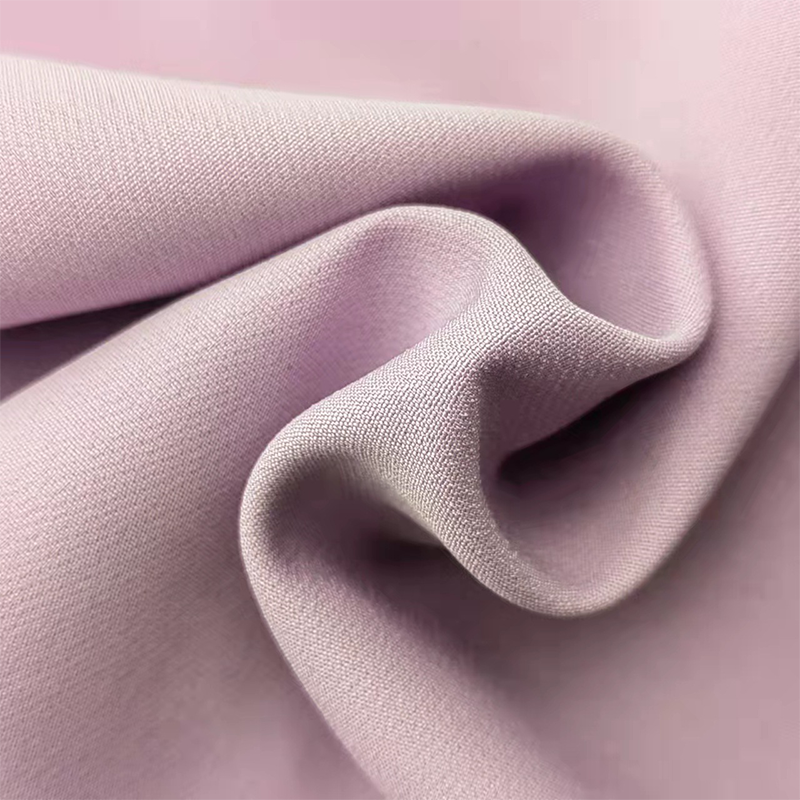
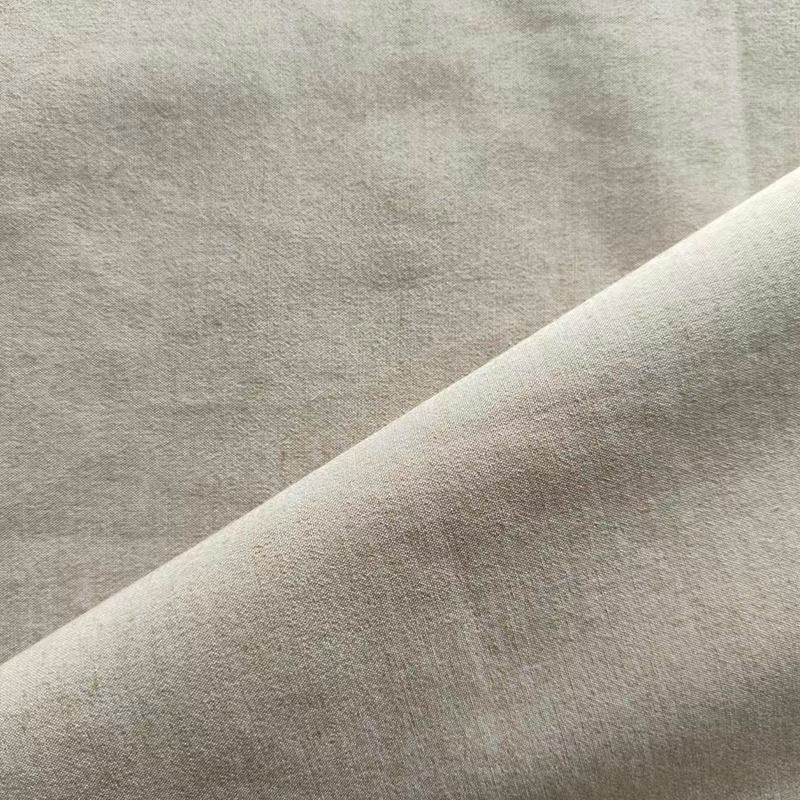
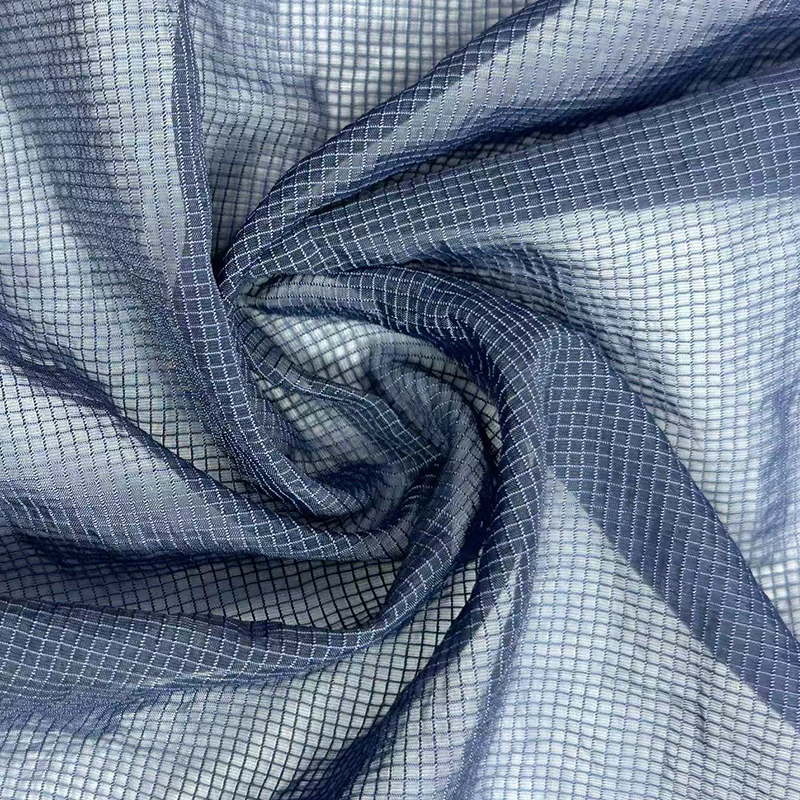
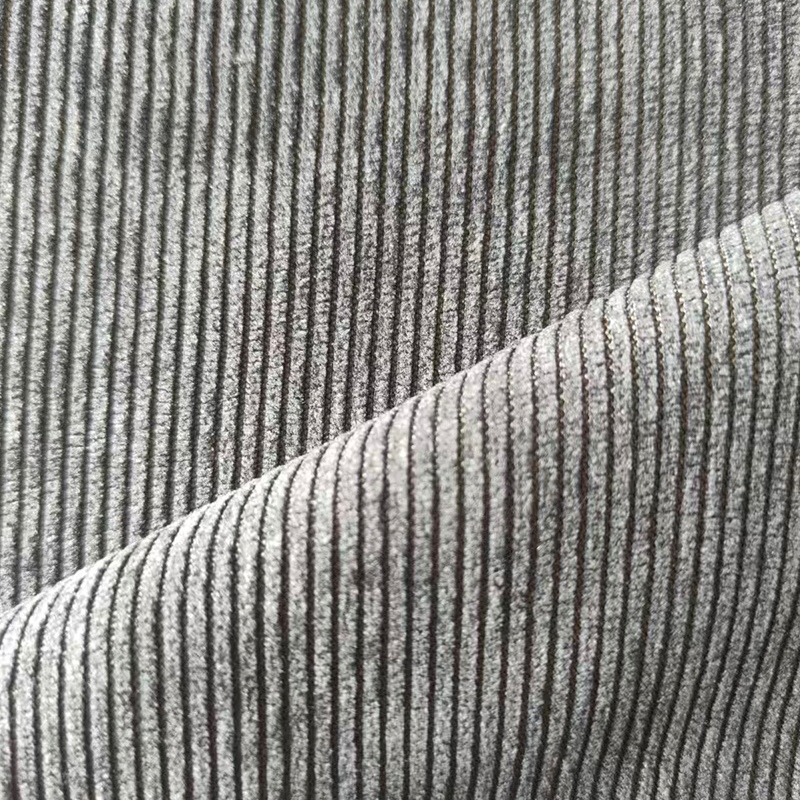
Diverse surface textures achieved through yarn structure, knit construction, and embossing techniques allow sports fabrics to reference heritage textile aesthetics — woven textures, ribbed structures, bouclé effects — while retaining the stretch, moisture management, and durability properties of technical textiles. Color development in sports fabrics leverages high-fastness disperse dyes on polyester substrates, enabling deep, saturated colorways and complex multicolor yarn effects that retain vibrancy through repeated laundering.
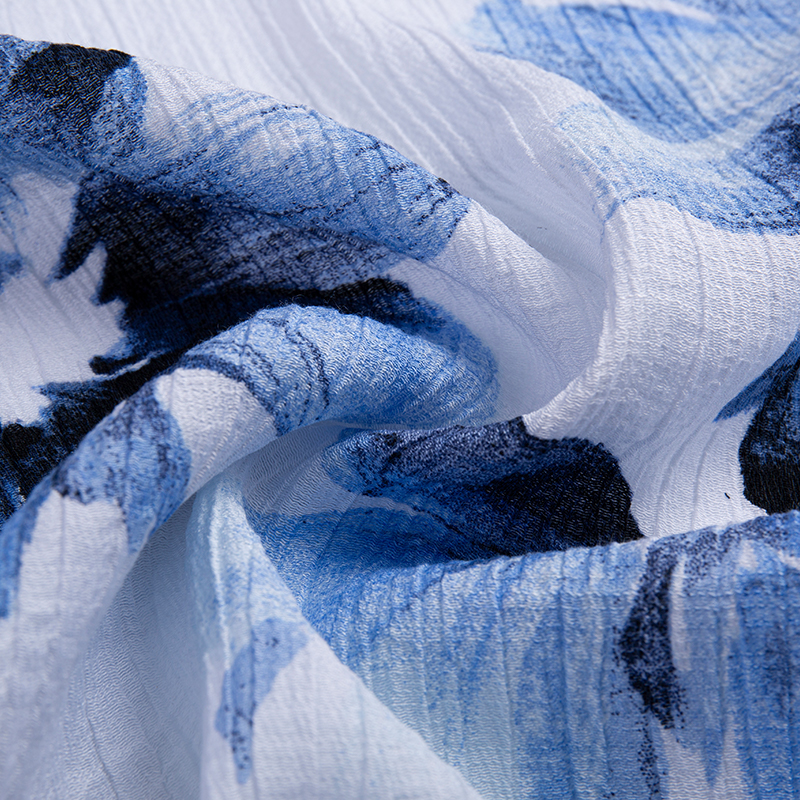
Decorative techniques including embroidery, patchwork paneling, reflective yarn integration, and tonal print effects further expand the design vocabulary available to sportswear designers, enabling brand differentiation and seasonal trend responsiveness without requiring changes to the underlying fabric performance specification. The result is a category of sports fabrics that genuinely balances athletic functionality and casual fashion — meeting the diverse needs of running, yoga, and daily commuting within a single, well-engineered material system.