English
 English
 Español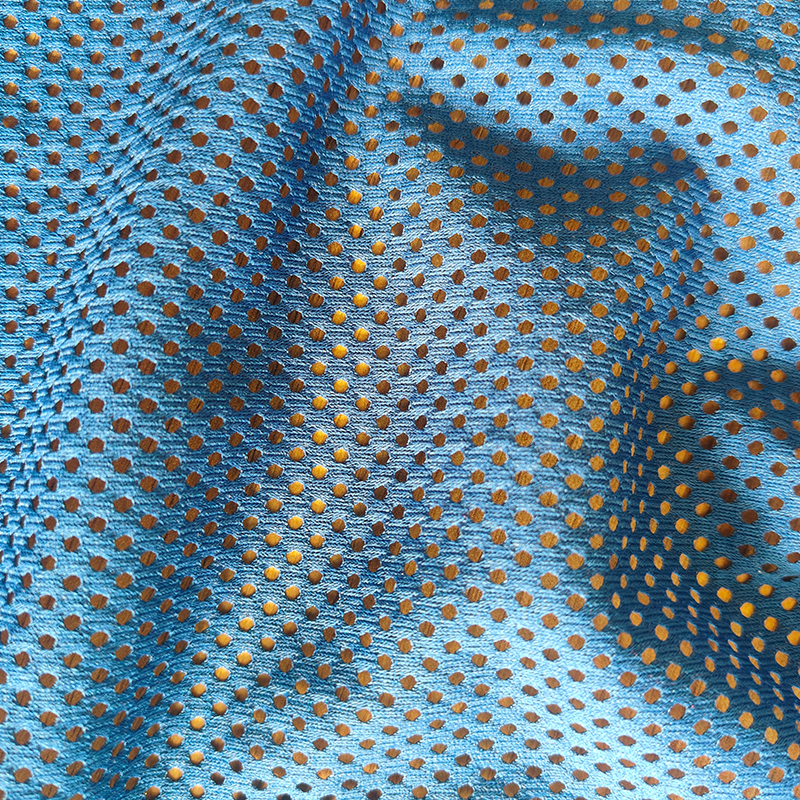
Why Fabric Selection Drives Bag Performance
A bag fails or succeeds at the fabric level. Stitching quality, hardware, and construction techniques all matter—but if the base material can't handle the load, the abrasion, or the weather it encounters, none of the rest matters. Yet fabric selection often gets rushed in the development process, especially when sourcing teams are working under cost pressure or tight timelines.
The global bag market reached an estimated USD 183 billion in 2024 and is projected to grow at a CAGR of nearly 5% through 2034, according to industry analysis from Global Market Insights. That growth spans every segment—fashion handbags, functional backpacks, travel luggage, outdoor packs, and reusable retail carriers—and each of those segments has genuinely different material requirements. Matching fabric to application from the start saves rework, reduces returns, and protects brand reputation.
This guide walks through the main fabric categories used in bag production, with a focus on the performance properties that actually determine suitability: weight, tensile strength, abrasion resistance, water resistance, and processability. The goal is to give buyers, designers, and sourcing teams a working framework they can apply to their next brief.
Oxford Cloth: The Reliable Workhorse
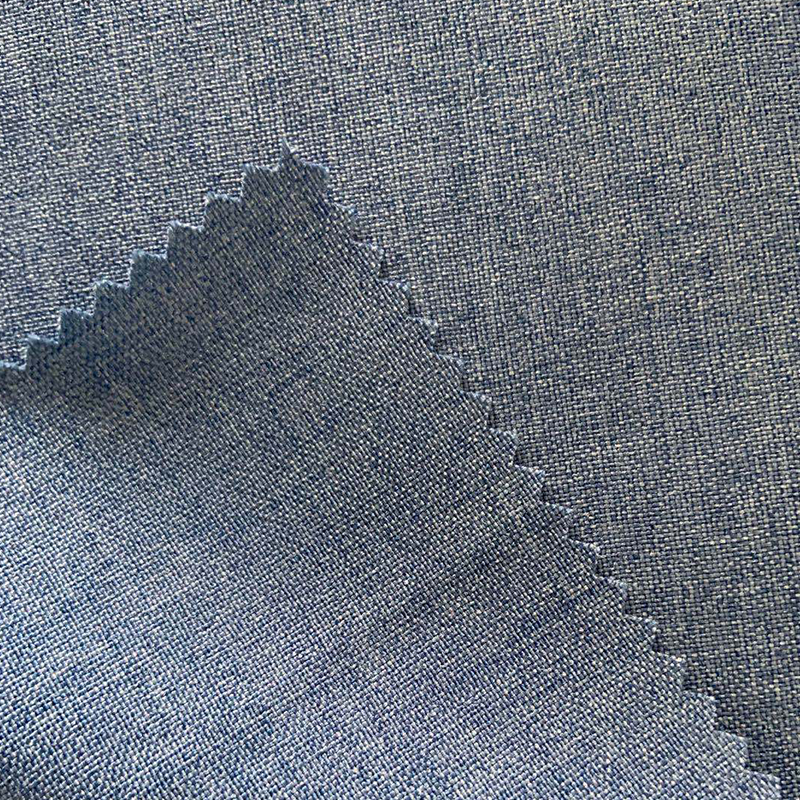
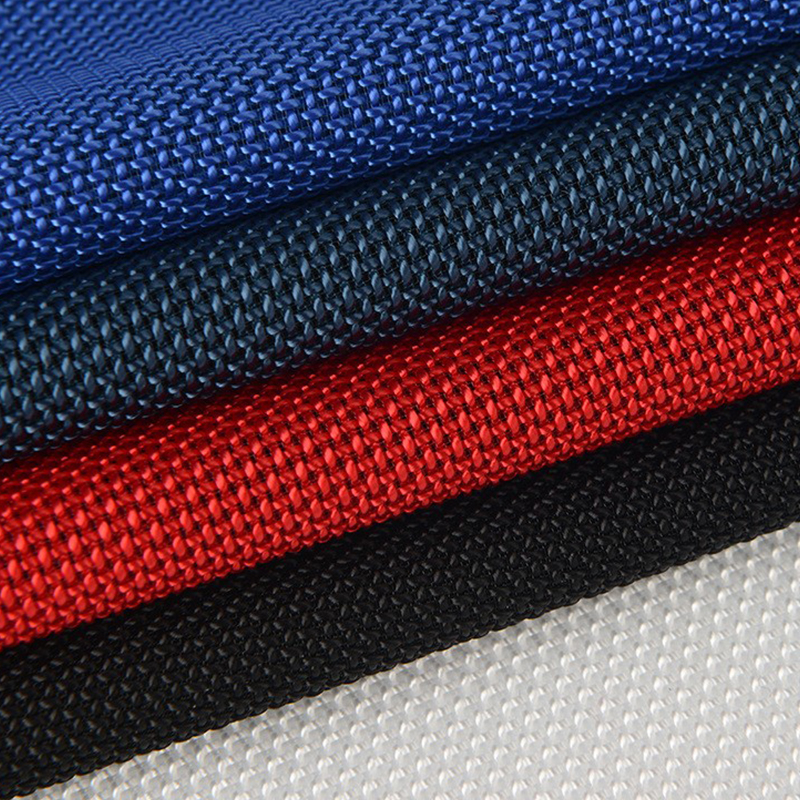
Oxford cloth is woven with a basket weave structure—two warp threads interlaced with one weft in each pass—that gives it a distinctive textured surface and a strength-to-weight ratio that is difficult to match at its price point. It is produced most commonly in polyester and nylon, with 600D (denier) polyester oxford being the single most widely used specification in mid-market bag production globally.
The practical advantages are well established. Oxford cloth resists abrasion effectively, holds shape under load, accepts coatings readily (PU, PVC, and TPU laminations are all standard), and sews cleanly without fraying excessively at cut edges. Bags made from 600D oxford cloth can handle daily commuter use for several years without structural degradation of the shell fabric. Heavier weights—1000D, 1680D—extend that durability further and are the standard specification for tactical, military, and heavy-duty luggage applications.
On the limitation side, untreated oxford cloth is not waterproof—it is water-resistant at best, and coating quality varies significantly between suppliers. For applications requiring genuine waterproofing, oxford cloth should be specified with a full PU backing and sealed seams, not relied upon as a standalone barrier. LRT Textiles supplies oxford cloth purpose-engineered for bags and packaging, available in multiple denier weights and coating options to match specific durability and finish requirements.
Nylon Fabric: High Performance at Lower Weight
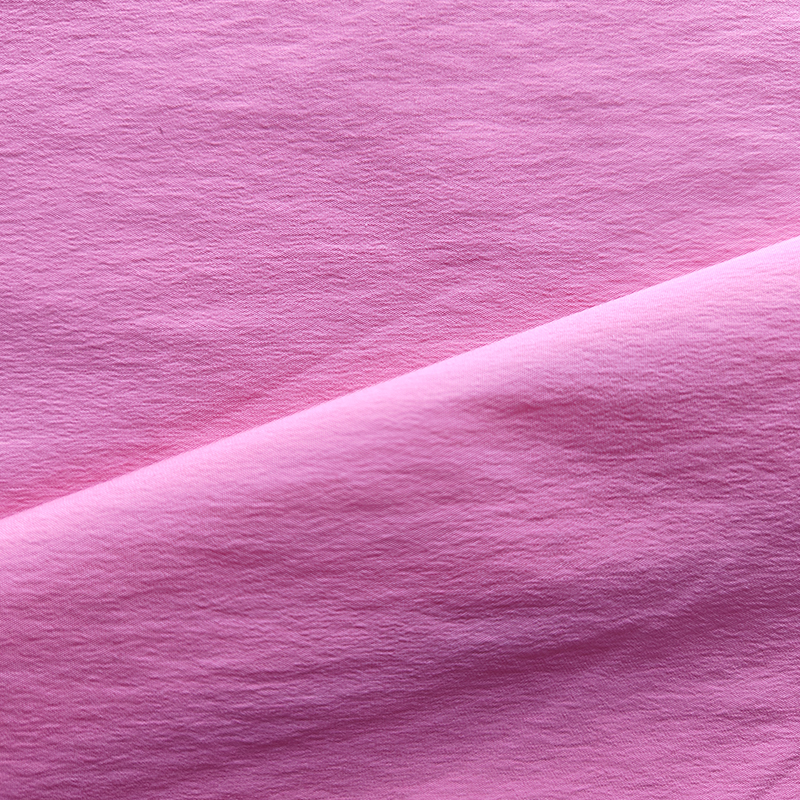
Nylon has a higher tenacity than polyester at equivalent denier—meaning it can deliver the same tensile strength from a lighter-weight fabric. That property is the reason nylon remains the dominant choice in premium backpacks, travel bags, and any application where weight savings matter alongside strength. A 420D nylon fabric, for instance, delivers strength performance comparable to 600D polyester while coming in noticeably lighter.
Nylon also has excellent recovery characteristics. It bounces back from compression and deformation better than polyester, which makes it particularly suitable for structured bags and packable designs that need to return to shape after being stuffed into overhead compartments or luggage. Its dyeability is also superior, producing richer, more saturated color—a meaningful advantage for fashion-forward bag lines where color consistency is a brand requirement.
The trade-off is cost: nylon consistently prices higher than equivalent polyester, and its UV resistance is lower without stabilizer treatment. For outdoor-facing applications with prolonged sun exposure, UV-stabilized nylon or a polyester alternative is the more practical choice. For travel gear, urban packs, and high-end fashion carriers where weight and color quality command a premium, nylon is the benchmark material. LRT's four-way stretch nylon fabrics for bag applications add dimensional flexibility to these inherent strength properties, opening up ergonomic and form-fitting design possibilities.
Polyester Fabric: Cost-Effective Versatility
Polyester is the volume material in global bag production. It processes easily, dyes well across a broad color range, accepts every common coating treatment, and costs less than nylon or natural fibers at comparable specifications. For mass-market bags where price-per-unit is the primary constraint, polyester delivers consistent, acceptable performance across the full range of everyday use conditions.
Beyond cost, polyester's UV resistance is a genuine technical advantage over nylon—relevant for promotional tote bags, outdoor retail carriers, and any bag that spends significant time in direct sunlight. It also absorbs less moisture than nylon, which means less weight gain in wet conditions and faster drying—useful for beach bags, sports bags, and outdoor packs.
Stretch polyester expands the design toolkit considerably. Four-way stretch polyester fabric for bag construction enables contoured exterior pockets, ergonomic back panels on backpacks, and expandable compartments that would be structurally awkward in woven flat fabrics. For athleisure bags and sport-lifestyle crossover designs, stretch polyester is increasingly the specification of choice because it bridges the gap between functional performance and the body-fitted aesthetic that drives that market.
Suede and Microfiber Suede: Texture and Tactile Premium
Synthetic suede—typically a split microfiber or a brushed polyester construction—occupies a specific and valuable position in the bag market: it delivers a premium tactile experience and rich visual texture at a fraction of the cost and environmental overhead of genuine suede. For fashion handbags, evening clutches, small leather goods, and any bag positioned above mid-market on the quality ladder, synthetic suede is the material that adds perceived value without adding proportionate cost.
From a production standpoint, synthetic suede cuts cleanly and sews without the needle-mark permanence issues associated with genuine leather, making it more forgiving during assembly. It is not waterproof, and the surface can mark from moisture if not treated, so it is generally reserved for exterior accent panels, bag bodies in protected-use contexts, and interior lining applications where its softness adds a quality impression when the bag is opened.
LRT's suede fabrics for bags and packaging are produced for both exterior and lining applications, with surface treatments available to improve moisture resistance for exterior use. For designers working on handbags that need to communicate quality through material feel, suede remains the specification most buyers reach for.
Mesh Fabric: Function Over Form
Mesh fabrics serve a functional purpose that solid fabrics cannot—breathability and weight reduction. In backpacks, gym bags, beach totes, and travel organizers, mesh panels on back panels, side pockets, and base ventilation zones manage moisture and heat buildup that would make the bag uncomfortable in high-activity use. The structural openness of mesh also makes contents visible at a glance, which is why it is standard in organizer pockets and transparent storage applications.
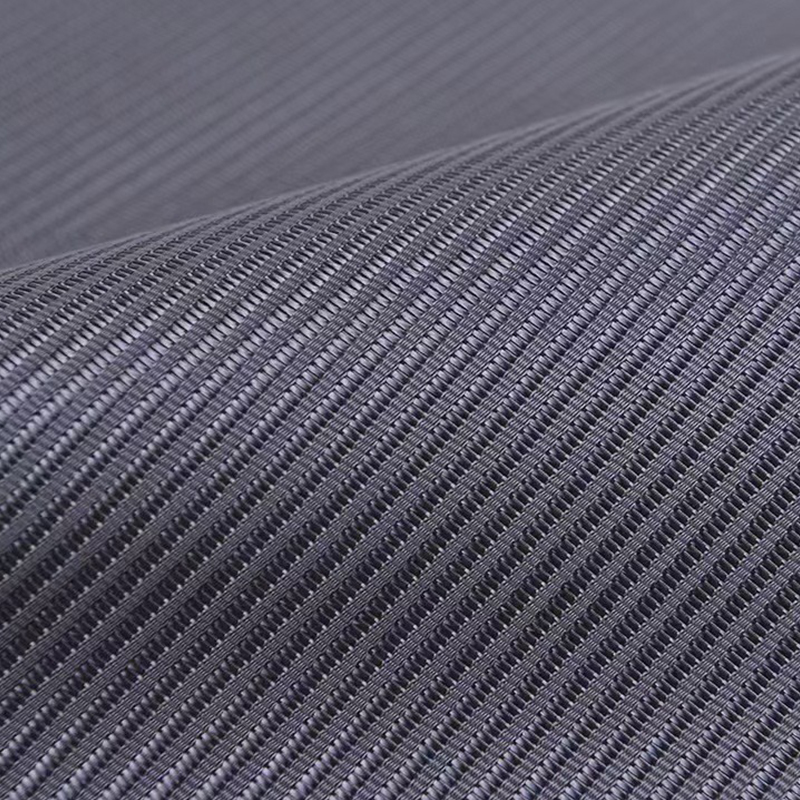
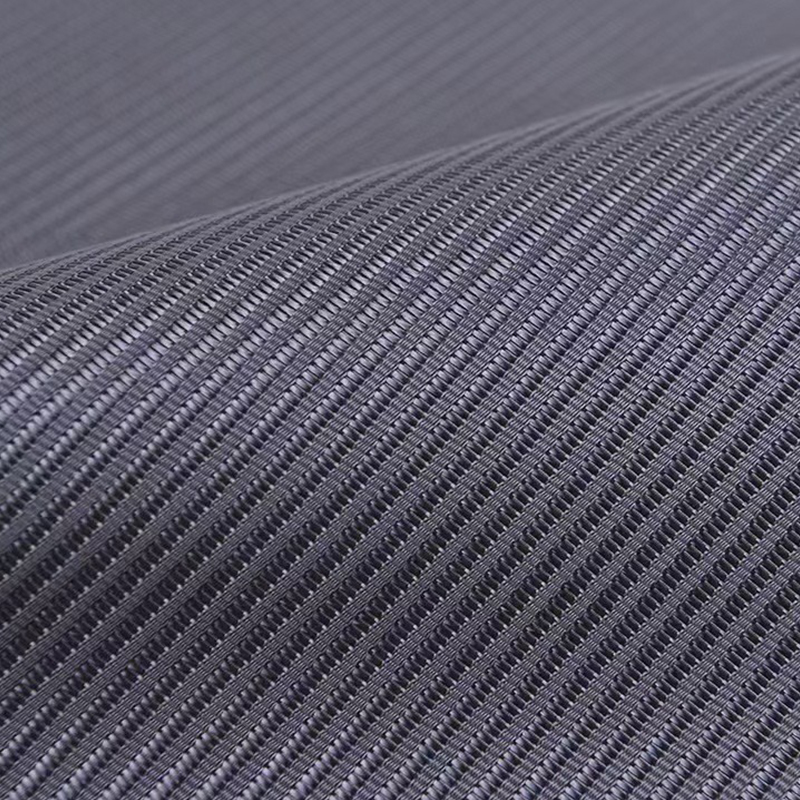
Mesh for bags is typically produced in polyester or nylon monofilament, with power mesh and spacer mesh being the two most common constructions. Power mesh has a finer, more uniform structure suitable for form-fitting applications. Spacer mesh—a three-dimensional fabric with a gap between face and back layers—provides cushioning alongside breathability, making it the standard specification for the back panels on technical hiking and cycling packs where contact comfort under load is a primary design parameter.
LRT's mesh fabrics for bags and packaging span fine-denier fashion mesh through to heavy structural mesh for functional outdoor applications, with the range covering most bag design requirements that call for breathable fabric panels.
Selecting Fabric by Bag Type: A Practical Framework
Material selection is ultimately a function of end use. The same performance gap that makes nylon ideal for premium travel gear makes it an unnecessary cost for promotional tote bags. The framework below covers the main bag categories and their typical fabric specifications:
| Bag Type | Primary Fabric | Key Requirements | Common Specifications |
|---|---|---|---|
| Commuter backpack | Polyester / Nylon oxford | Abrasion resistance, water resistance, structure | 600D–1000D polyester; 420D–840D nylon |
| Fashion handbag | Synthetic suede / PU fabric | Aesthetics, tactile quality, color range | Microfiber suede, coated woven base |
| Sports / gym bag | Polyester, mesh panels | Lightweight, breathability, easy cleaning | 300D–600D polyester body; spacer mesh panels |
| Outdoor pack | Nylon / treated polyester | High tensile strength, weather resistance, light weight | 420D–1000D nylon; ripstop or oxford weave |
| Reusable tote | Polyester, nylon-cotton blend | Cost efficiency, print quality, foldability | 190T–210D polyester; nylon-cotton blends |
| Luggage shell | High-denier polyester / nylon | Tear resistance, coating durability, shape retention | 1200D–1680D polyester; ballistic nylon |
For production teams sourcing across multiple bag categories, working with a supplier that carries a broad range of bag-specific fabrics under one catalogue simplifies the development and sample approval process significantly. LRT's full bags and packaging fabric range covers oxford cloth, nylon, polyester, suede, and mesh in the specifications most commonly called out in commercial bag development briefs, with sampling available for new development projects.
For bags that will be used in demanding outdoor environments, the outdoor-rated fabric collection extends the specification options further—covering fabrics engineered for UV resistance, sustained weather exposure, and the higher abrasion loads that outdoor use generates. Matching the fabric category to the use environment from the first development stage is the most efficient path to a bag that performs reliably throughout its intended service life.