English
 English
 Español
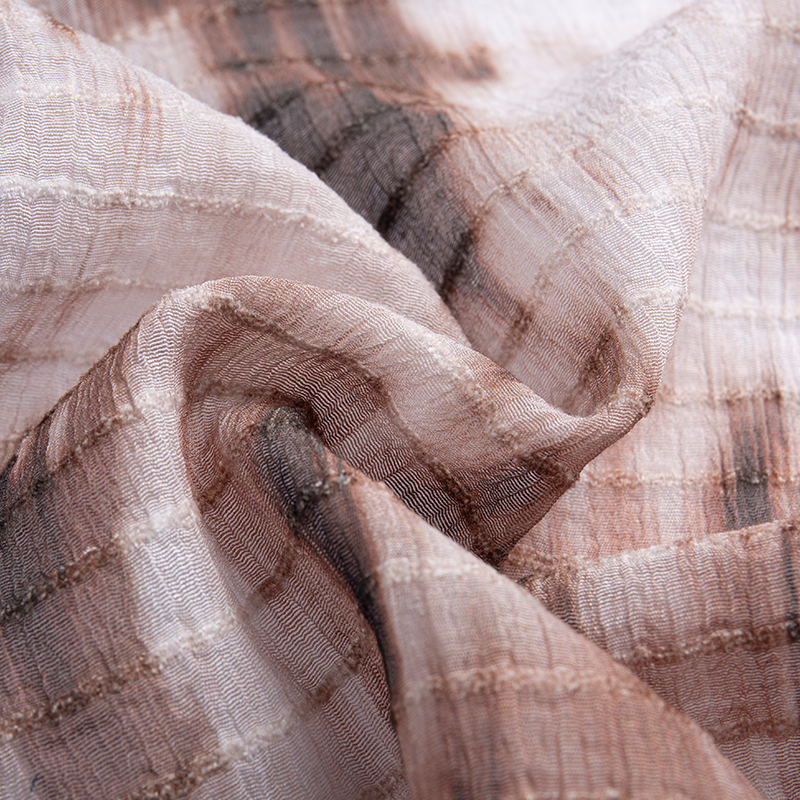
Why Cotton Linen Blends Are Redefining Home Textile Fabrics
Among all the natural fiber options available today, cotton linen home textile fabrics have emerged as one of the most intelligent choices for bedding, curtains, cushion covers, and table linens. The blend combines the long-standing comfort of cotton with the structural resilience of linen, producing a fabric that performs across every dimension homeowners care about—feel, durability, hygiene, and environmental responsibility. Unlike single-fiber textiles that tend to optimize for just one or two properties, a cotton-linen blend delivers a well-rounded package that suits the complex demands of daily home life.
The most common ratio on the market is 55% linen and 45% cotton, a balance that preserves linen's breathability and texture while allowing cotton's softness to smooth out linen's initial stiffness. The result is a fabric that feels comfortable from the first use, requires no extended break-in period, and only continues to improve with washing over time.
Comfort Properties That Make a Real Difference at Home
Comfort in home textiles is not a single trait—it encompasses how a fabric feels against the skin, how it manages body heat, and how it handles moisture during sleep or daily use. Cotton linen home textile fabrics address all three with notable effectiveness.
Breathability and Temperature Regulation
Linen fibers are hollow at the microscopic level, which allows air to circulate through the fabric rather than trapping heat against the body. Combined with cotton's natural wicking structure, the blend actively moves moisture away from the skin. This makes it particularly effective for hot sleepers and warm-climate households, where synthetic fabrics or dense cotton percale often fall short. Studies on natural fiber bedding consistently show that linen-dominant blends reduce perceived sleep temperature compared to standard cotton alone.
Skin-Friendly Surface and Hypoallergenic Behavior
One of the most significant advantages of this fabric type is that it is genuinely skin-friendly. The pH value of cotton-linen blends is naturally acidic and closely aligned with the skin's own pH range, which minimizes irritation risk. The fabric is also non-electrostatically charged, meaning it does not attract dust or cling to the body uncomfortably. For households with children, elderly members, or individuals with sensitive skin conditions such as eczema, this characteristic alone can make a measurable difference in daily comfort and sleep quality.
Protection Functions Built Into the Fabric
Beyond comfort, cotton linen home textile fabrics offer passive protection that contributes to household hygiene without requiring chemical treatments. These are properties that arise from the natural fiber structure itself.
- Anti-mite properties: Linen's fiber surface is naturally smooth and inhospitable to dust mites, which thrive in warmer, textured synthetic fabrics. This makes cotton-linen blended bedding a practical choice for allergy-prone households.
- Antibacterial characteristics: Both cotton and linen have inherent antibacterial tendencies. Linen in particular contains natural silica, which inhibits bacterial growth on the fabric surface and contributes to fresher-feeling bedding between washes.
- Anti-static behavior: Unlike polyester-based fabrics, cotton-linen blends do not generate static electricity, which reduces the attraction of airborne dust and lint to the fabric surface.
It is worth noting that cotton-linen fabrics are not inherently waterproof or stain-resistant in their natural state. Households that require those functions should look for blends that have undergone additional finishing treatments, such as a DWR (durable water repellent) coating, without compromising breathability.
Durability Across Washes and Years of Use
A major practical advantage of cotton linen home textile fabrics is their longevity. Linen is one of the strongest natural fibers, and when blended with cotton, it produces a textile that resists pilling, maintains its shape after repeated washing, and actually grows softer with age rather than degrading. High-quality cotton-linen bedding sets routinely last five to ten years with proper care, compared to two to four years for standard polyester-cotton blends.
For practical maintenance, the following care guidelines apply to most cotton-linen home textiles:
- Machine wash in cold or lukewarm water (below 60°C) on a gentle cycle to prevent shrinkage.
- Avoid high-heat drying; air drying or low-temperature tumble drying preserves fiber integrity.
- Do not bleach; bleaching weakens the linen fiber structure significantly over time.
- Iron at temperatures below 110°C, or use a steam iron on slightly damp fabric for best results.
- Store in a cool, ventilated area to prevent mold and color yellowing from humidity.
| Property | Cotton-Linen Blend | 100% Cotton | Polyester Blend |
|---|---|---|---|
| Breathability | Excellent | Good | Poor |
| Durability | Very High | Moderate | High |
| Skin-Friendly | Yes | Yes | Variable |
| Sustainable | Yes | Partial | No |
| Pilling Resistance | High | Moderate | Low–Moderate |
| Softens Over Time | Yes | Slight | No |
Aesthetic Versatility for Every Home Style
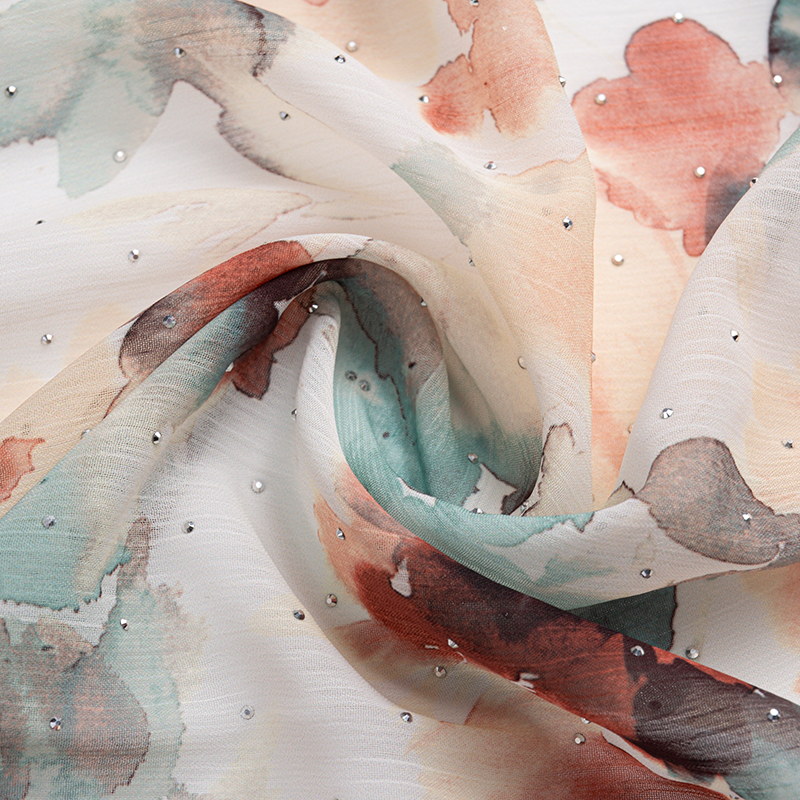
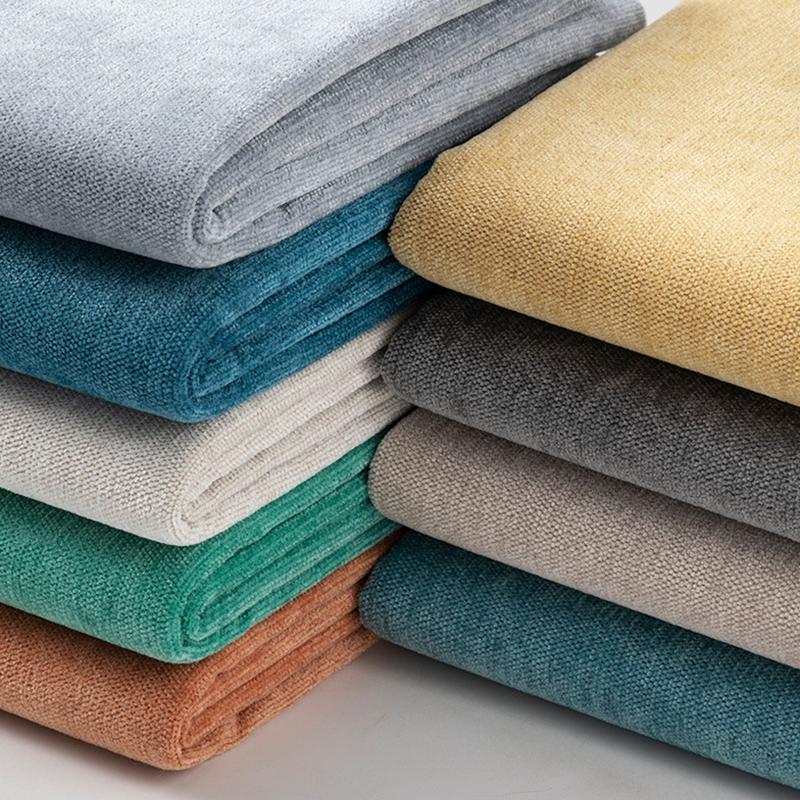
The natural texture of cotton linen home textile fabrics gives them an understated visual appeal that integrates easily into a wide range of interior styles—from Scandinavian minimalism to rustic farmhouse and modern organic aesthetics. The fabric's surface absorbs dyes evenly and holds color well without the oversaturation that synthetic materials can produce, resulting in tones that look refined rather than artificial.
Manufacturers apply various finishing processes to enhance the aesthetic range of this fabric. Stone washing creates a relaxed, lived-in look while pre-softening the surface. Enzyme washing refines the texture without distorting the weave. For more decorative applications such as cushion covers and table runners, jacquard weaving and printed patterns are compatible with cotton-linen blends, allowing for rich visual detail without compromising the fabric's breathability or hand feel. The natural slubs and slight irregularities in the linen component also contribute to a depth of texture that woven synthetics cannot replicate.
Sustainability: Why This Fabric Aligns With Responsible Living
For households that prioritize environmental responsibility, cotton linen home textile fabrics represent one of the most genuinely sustainable choices in the market. Both raw materials—flax for linen and cotton fiber—are renewable and fully biodegradable, meaning they do not contribute to microplastic pollution the way polyester, nylon, or acrylic textiles do when washed or disposed of.
Flax, the plant from which linen is derived, requires significantly less water than conventional cotton and grows without the need for heavy pesticide applications, particularly when sourced from European flax farming regions. When compared to synthetic fabric production, the cotton-linen blend manufacturing process involves fewer petrochemical inputs and lower CO₂ output per meter of finished textile.
Certifications such as OEKO-TEX Standard 100 provide an additional layer of assurance for buyers. Products carrying this certification have been tested for the presence of over 100 harmful substances, including formaldehyde, heavy metals, and allergenic dyes—confirming that the fabric is safe for skin contact and has been produced within responsible chemical usage limits.
The durability factor also reinforces sustainability from a lifecycle perspective. A cotton-linen duvet cover or sheet set that lasts eight years produces far less total waste and resource consumption than replacing lower-quality synthetic bedding every two to three years. Choosing longer-lasting, naturally sourced home textiles is one of the most straightforward ways for households to reduce their environmental footprint without making significant lifestyle sacrifices.
How to Choose the Right Cotton-Linen Product for Your Needs
Not all cotton linen home textile fabrics perform identically. The blend ratio, yarn count, weave type, and finishing process all influence the final product's behavior. Here are the key factors to evaluate before purchasing:
- Blend ratio: A 55/45 linen-to-cotton ratio delivers strong breathability with manageable softness. A 30/70 ratio leans more toward cotton's softness but sacrifices some of linen's temperature-regulation strength.
- Yarn count: Higher yarn counts produce a smoother, finer surface. Lower counts retain more of linen's characteristic texture and are often better for curtains and table linens than for direct skin contact applications.
- Certification: Look for OEKO-TEX or equivalent third-party certification to confirm the fabric is genuinely skin-friendly and sustainably produced.
- Pre-washing: Pre-washed or stonewashed products have already undergone initial shrinkage, giving you more dimensional stability after your first home wash.
- Application match: Bedding benefits from softer, higher-cotton ratios; table linens and curtains can handle higher linen content for its structure and natural drape.
Ultimately, the performance difference between a well-made cotton-linen blend and a standard polyester-cotton product becomes evident within the first few weeks of use—through cooler nights, less skin irritation, and a fabric that looks and feels better the more it is used, not worse.