English
 English
 Español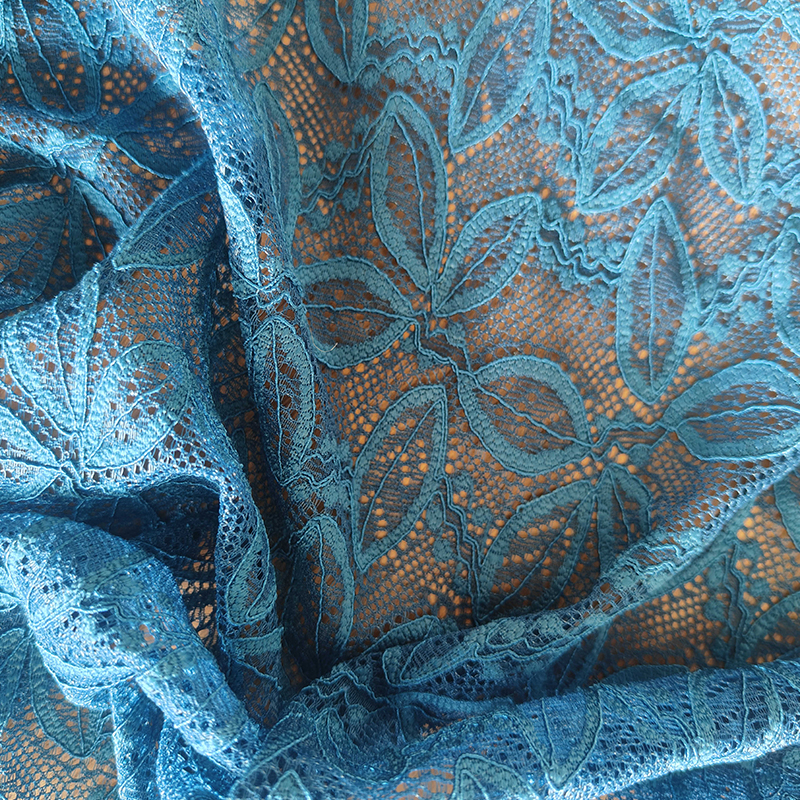
Why Fabric Selection Defines Industrial Workwear Performance
In industrial and occupational settings, fabric is not a background detail — it is the primary determinant of whether a garment protects, performs, and endures across a full working shift. The best fabric for industrial workwear must simultaneously satisfy requirements that are often in direct tension with each other: high tensile strength without sacrificing flexibility, moisture management without compromising abrasion resistance, and dimensional stability under repeated industrial laundering. Getting this balance wrong has direct consequences — garments that fail mechanically create safety risks, while garments that are uncomfortable to wear get replaced or abandoned, adding cost and reducing compliance.
Woven workwear fabrics remain the dominant construction type across industrial categories precisely because their interlaced warp-and-weft structure delivers the combination of strength, stability, and process versatility that no other textile construction can match at comparable cost. Unlike knitted constructions — which prioritize stretch and drape — woven fabrics resist deformation under load, maintain their shape after heavy use, and accept a wide range of functional finishing treatments including flame retardancy, water repellency, anti-static coating, and high-visibility pigmentation. Understanding how specific woven fabric compositions perform under real working conditions is the starting point for any informed workwear sourcing decision.
The Core Fiber Options in Woven Workwear Fabrics and What Each Delivers
No single fiber type is the best fabric for industrial workwear in every scenario. The correct answer depends on the specific hazards, physical demands, climate, and laundering requirements of the application. The five principal fiber families used in woven workwear fabrics each bring a distinct combination of strengths and limitations that must be matched to the end use.
Cotton and Cotton-Rich Blends
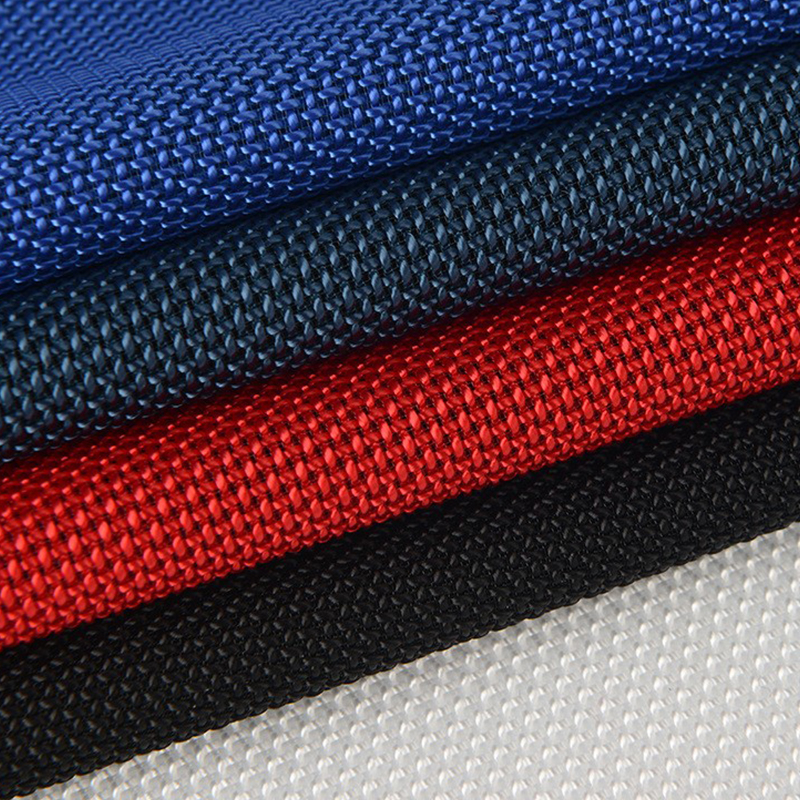
Cotton remains the foundational fiber for workwear in heat-intensive environments such as foundries, welding shops, and commercial kitchens. Its natural breathability, moisture absorption, and inherent resistance to melting make it safer near radiant heat sources than synthetic-only fabrics. Pure cotton woven workwear fabrics — particularly in twill and canvas constructions at 280–380 g/m² — offer excellent abrasion resistance and accept FR (flame-retardant) chemical finishing effectively. The primary limitation is that cotton absorbs and retains moisture, increasing fabric weight during sweating and prolonging drying time, which reduces comfort during sustained physical activity.
Polyester and Polyester-Cotton Blends
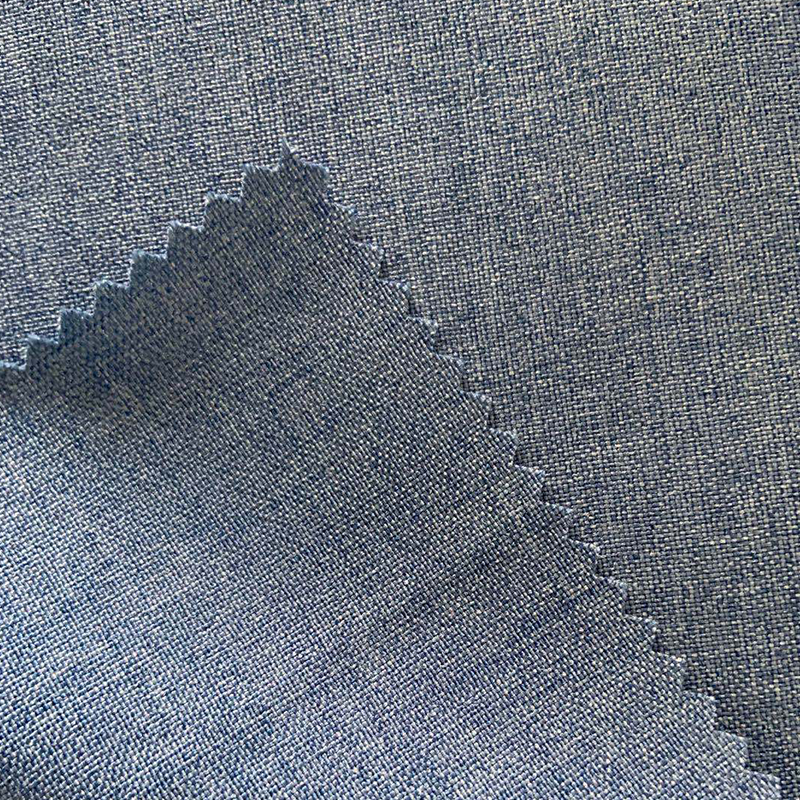
Polyester is the most widely used synthetic fiber in woven workwear fabrics, and for good reason: it contributes exceptional dimensional stability, wrinkle resistance, color fastness, and rapid moisture transport when engineered with moisture-wicking yarn structures. Polyester-cotton blends — typically 65/35 or 80/20 poly/cotton by weight — are the workwear industry's most versatile combination, delivering cotton's softness and heat tolerance alongside polyester's durability and shape retention. A 65/35 poly-cotton twill at 240–260 g/m² is the industry standard for general industrial uniforms in logistics, manufacturing, and utilities, as it withstands 50+ industrial wash cycles without significant dimensional change, shrinking less than 2% when properly finished.
Nylon and Nylon Blends
Nylon (polyamide) woven fabrics offer the highest abrasion resistance of any mainstream workwear fiber — a property that makes them the preferred choice for knee panels, seat areas, and outerwear in construction, mining, and forestry applications. Ripstop nylon, woven with a reinforcing grid pattern, provides exceptional tear resistance at relatively low fabric weights, making it valuable in tool-carrying workwear where stress concentrations at pockets and attachment points are particularly high. Nylon's limitation is lower breathability compared to cotton and its tendency to generate static charge in dry environments — a critical concern in explosive or flammable-atmosphere workplaces where anti-static certification is mandatory.
Rayon and Linen for Comfort-Led Applications
Rayon (viscose) and linen appear less frequently in heavy industrial workwear but are relevant in lighter-duty occupational and fashion-forward uniform applications. Rayon's soft hand, high moisture absorption, and excellent drape make it a preferred component in hospitality, healthcare, and customer-facing service uniforms where professional appearance and all-day comfort are prioritized alongside basic durability. Linen's exceptional breathability and natural texture make it suitable for warm-climate work environments. Both fibers are less dimensionally stable than polyester under repeated washing and require more precise laundering protocols — a practical consideration for large-scale uniform programs.
Weave Structure: How Construction Type Determines Workwear Performance
Fiber choice alone does not determine the performance of woven workwear fabrics — the weave structure applied to those fibers is equally decisive. The three primary weave families each produce distinct mechanical and aesthetic outcomes.
| Weave Type | Key Characteristics | Typical GSM Range | Best Industrial Application |
|---|---|---|---|
| Plain Weave | Firm, flat, tight structure; high thread count possible | 150–220 g/m² | Light-duty uniforms, service industry, hospitality |
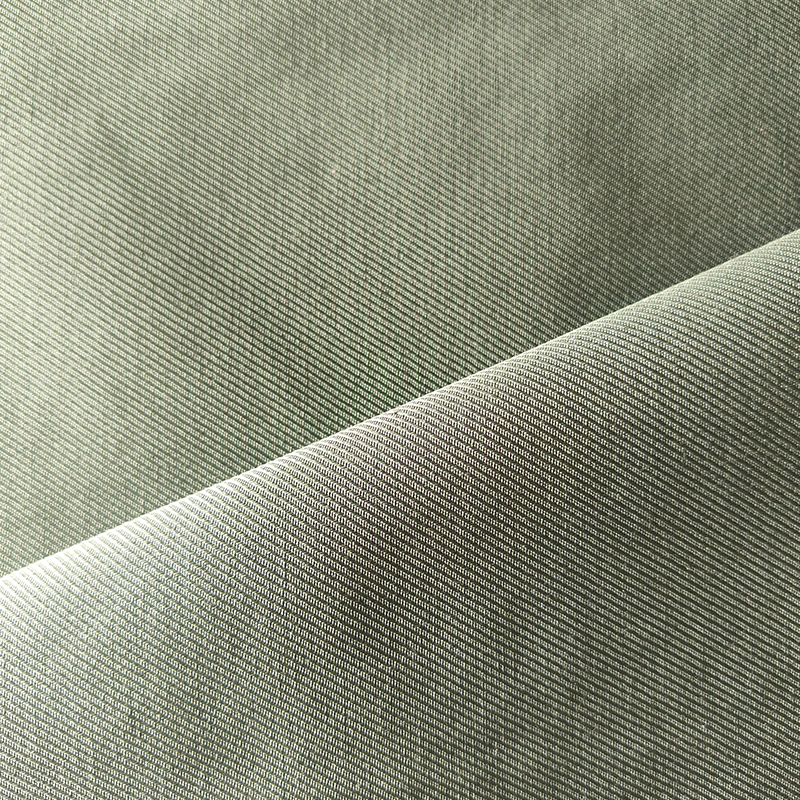
| Twill Weave | Diagonal rib structure; superior strength, drape, and abrasion resistance | 220–320 g/m² | General industrial, logistics, utilities, manufacturing |
| Canvas / Duck | Heavy plain weave; maximum abrasion and puncture resistance | 320–500 g/m² | Construction outerwear, heavy manufacturing, mining |
| Ripstop | Reinforced grid stitching; exceptional tear resistance at low weight | 120–200 g/m² | Outdoor workwear, forestry, tactical applications |
Twill weave consistently emerges as the best fabric for industrial workwear across the widest range of applications, because its diagonal interlacing structure produces a fabric that is simultaneously stronger than plain weave at equivalent GSM, more flexible due to longer yarn floats, and more resistant to surface soiling due to its naturally smoother face. The 3/1 twill construction — used in classic workwear chino and drill fabrics — places three warp threads over each weft thread, concentrating material on the face of the fabric and maximizing wear resistance at the surface where abrasion occurs.
Functional Finishes That Elevate Woven Workwear Fabrics Beyond Raw Construction
The base fiber and weave structure of a fabric establish its fundamental properties, but functional finishing treatments applied after weaving can dramatically extend what woven workwear fabrics are capable of. For industrial procurement managers, understanding which finishes are available — and which are genuinely durable versus marketing-led — is essential to making fabric specifications that hold up across a garment's full service life.
- Durable Water Repellency (DWR): Fluorocarbon or newer PFC-free DWR treatments cause water to bead and roll off the fabric surface, preventing fabric saturation in wet outdoor conditions. Quality DWR finishes should survive a minimum of 20 domestic wash cycles before reactivation is required — a threshold that should be confirmed with test data from suppliers.
- Flame Retardant (FR) Treatment: FR finishing applied to cotton or cotton-blend woven fabrics prevents the fabric from continuing to burn after a flame source is removed. Two types exist: durable FR chemical treatment (washes in, lasting the garment's life) and topical FR spray (degrades after 20–30 washes). For EN ISO 11612 or NFPA 2112 compliance, only inherently FR fibers or durably treated fabrics qualify.
- Anti-Static Treatment: In environments with explosive or flammable atmospheres — petrochemical, grain handling, pharmaceutical — workwear must dissipate electrostatic charge. Anti-static finishes, or more reliably, conductive carbon fiber yarns woven into the fabric grid at regular intervals, reduce surface resistivity to below 10⁹ Ω, meeting EN 1149-5 requirements.
- Wrinkle and Shape Retention Finishing: Resin-based easy-care finishing applied to polyester-cotton blends cross-links cellulose fibers in the cotton component, dramatically reducing wrinkling and improving shape retention after laundering. This treatment is what enables a poly-cotton work shirt to emerge from an industrial dryer looking presentable without ironing — a significant factor in high-volume uniform programs.
- Soil Release and Stain Resistance: Hydrophilic soil release finishes reduce the surface energy of synthetic fibers, allowing water-based stains to lift more easily during washing. These are particularly valuable on polyester-rich woven workwear fabrics used in food processing or chemical environments, where contamination from oils, sauces, and processing fluids is routine.
Matching Fabric to Scene: Industrial, Service, and Fashion-Forward Workwear
One of the most practical skills in workwear specification is matching fabric weight, fiber composition, and finish to the actual demands of the working environment — what might be called scene adaptability. A fabric that excels in one context can be entirely wrong for another, and the cost of misspecification is borne in premature garment failure, worker discomfort, and repeated procurement cycles.
For heavy industrial environments — construction sites, mining operations, metal fabrication — the best fabric for industrial workwear is typically a 280–340 g/m² poly-cotton twill or cotton canvas with FR and DWR finishing. These fabrics provide the mechanical robustness that tool-carrying, kneeling, climbing, and exposure to sharp materials demands, while functional finishes extend protection to thermal and chemical hazards. In logistics and light manufacturing, a 240–260 g/m² poly-cotton twill without specialized finishing hits the optimal balance of durability, comfort, and wash cycle cost.
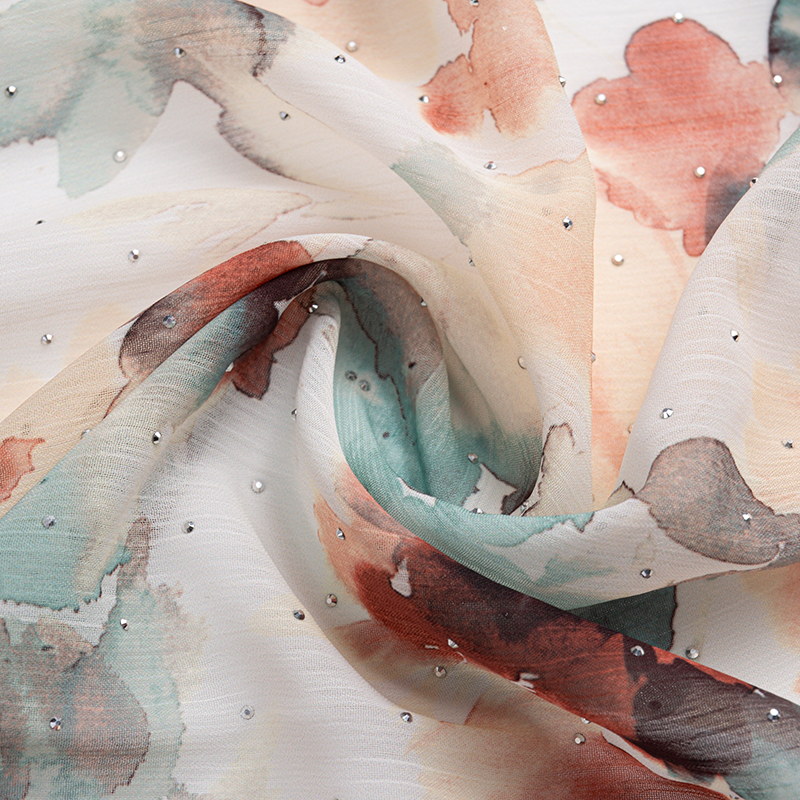
In service sectors — hospitality, healthcare, corporate services — the specification shifts toward lighter-weight plain weave or refined twill constructions in polyester-rayon or polyester-cotton blends at 160–220 g/m², prioritizing appearance, softness against the skin, and moisture management over mechanical strength. These environments align more closely with fashion fabric priorities: rich colors achieved through reactive or disperse dyeing, flexible manufacturing processes including jacquard weaving, printing, and embroidery for corporate identity, and comfortable wear that reduces restriction and stuffiness during long customer-facing shifts.
The distinction between workwear and fashion-led uniform fabrics has narrowed significantly in recent years. Designers and procurement managers increasingly specify woven workwear fabrics that combine industrial-grade durability with the aesthetic range — diverse textures, rich colors, process versatility — traditionally associated with pure fashion fabrics. Stretch-woven constructions incorporating 2–5% elastane into poly-cotton twill, four-way stretch ripstop fabrics, and high-thread-count plain weaves in performance fiber blends are now standard tools for achieving a garment that works as hard as the people wearing it while maintaining the visual standards that brand presentation demands.
Key Evaluation Criteria When Sourcing Woven Workwear Fabrics
For buyers making fabric decisions that will be locked into a uniform program for two to five years, the following criteria should be assessed systematically — not assumed based on fiber content or GSM alone.
- Dimensional stability after washing: Request ISO 6330 or AATCC 135 shrinkage test data across the proposed wash cycle temperature and tumble-dry conditions. A maximum of ±2% in both warp and weft directions is the acceptable threshold for most industrial programs.
- Tensile and tear strength: ISO 13934-1 (tensile) and ISO 13937-2 (tear) test results confirm that the fabric construction will withstand the mechanical stresses of the intended application. For general industrial workwear, minimum tensile strength of 400N warp and 300N weft is a reasonable baseline.
- Color fastness to washing and rubbing: ISO 105-C06 (color fastness to washing) and ISO 105-X12 (color fastness to rubbing) ratings of 4 or above ensure that garments maintain a professional appearance and do not transfer color to skin or other surfaces throughout their service life.
- Pilling resistance: ISO 12945-2 pilling ratings of 4–5 confirm that the fabric surface resists the fiber entanglement and balling that makes garments look worn and unprofessional after relatively few wash cycles — a common failure mode in lower-grade polyester blends.
- Certification compliance: Depending on the application, confirm that finishes carry relevant third-party certifications — EN ISO 11612 for heat and flame, EN 1149-5 for electrostatic dissipation, EN 20471 for high visibility, or OEKO-TEX Standard 100 for chemical safety — rather than relying on supplier declarations alone.
Selecting the right woven workwear fabrics is ultimately an act of precision engineering applied to procurement. The best fabric for industrial workwear in any given program is the one that meets the mechanical, functional, aesthetic, and laundering requirements of that specific application — verified by test data, not catalogue descriptions. Suppliers who provide full technical data sheets, third-party test reports, and wash cycle durability data are the ones worth building long-term partnerships with.