English
 English
 Español
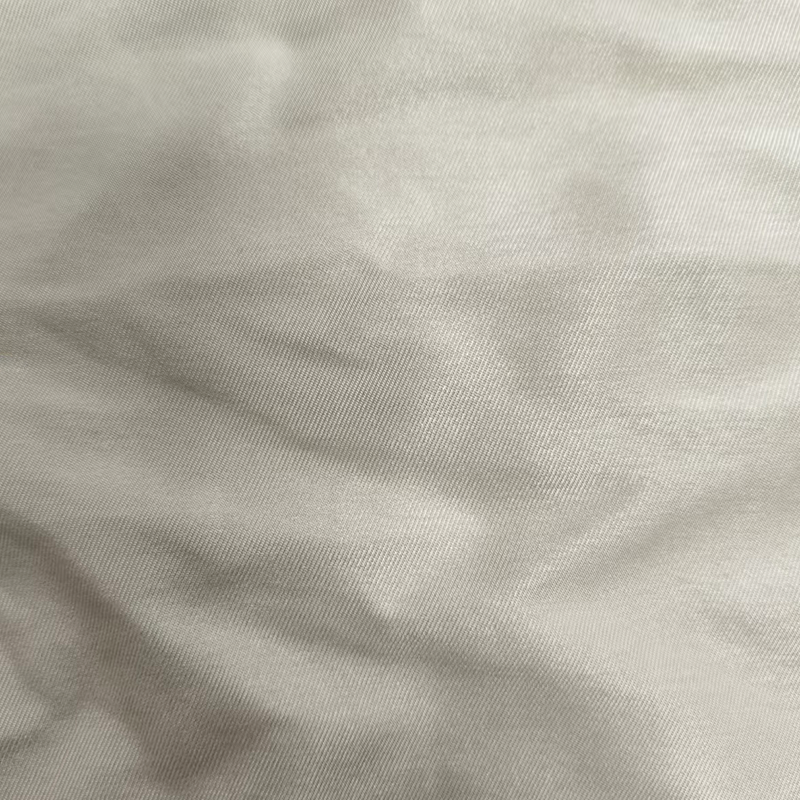
The Core Triad: Softness, Breathability, and Skin-Friendliness
When selecting the best material for pajamas and home textile fabrics, consumers and manufacturers alike prioritize a specific triad of characteristics: softness, breathability, and skin-friendliness. These are not merely marketing buzzwords but measurable textile properties that dictate sleep quality and dermatological health. Softness is determined by the fiber staple length and the mechanical finish applied to the yarn. Breathability refers to the fabric's air permeability and its ability to wick moisture away from the epidermis, regulating microclimatic temperature during sleep. Skin-friendliness encompasses hypoallergenic properties, the absence of harsh chemical residues, and a pH balance that matches human skin. Understanding the intersection of these three factors is essential for sourcing or selecting premium sleepwear and bedding that genuinely enhances well-being.

Natural Fibers: The Gold Standard for Sleepwear and Loungewear
Natural fibers have long dominated the premium sleepwear and home textile market due to their inherent biological compatibility with human skin. Among these, long-staple cotton varieties, such as Egyptian and Pima cotton, represent the ultimate benchmark. The extra-long staple (ELS) fibers measure over 34 millimeters in length, which allows for a smoother, finer yarn with fewer splices. This results in a fabric that is exceptionally soft, highly durable, and resistant to pilling. Unlike short-staple cotton, which can feel rough and degrade quickly, ELS cotton maintains its luxurious hand feel through dozens of wash cycles. For individuals with sensitive skin or conditions like eczema, the smooth surface of long-staple cotton minimizes mechanical friction against the epidermis, preventing irritation and micro-abrasions.
Bamboo Viscose: The Ultimate Moisture-Wicking Solution
Bamboo viscose has surged in popularity as a superior alternative to traditional cotton, particularly for hot sleepers. The manufacturing process transforms rigid bamboo pulp into a regenerated cellulose fiber that possesses a naturally round and smooth cross-section. This structural characteristic gives bamboo fabric a silk-like drape and an incredibly soft hand feel. More importantly, bamboo viscose is highly hydrophilic, meaning it absorbs and evaporates sweat significantly faster than cotton. Its natural micro-gaps and micro-holes enhance breathability, making it the best material for pajamas designed for warm climates or night sweats. Additionally, bamboo retains inherent antibacterial and bio-static properties, which inhibit the growth of odor-causing bacteria and keep home textile fabrics fresher for longer periods between washes.
Evaluating Fabric Weaves and Finishes for Home Textiles
The construction of the fabric, specifically the weave and the finishing processes, plays an equally critical role in defining the final tactile experience. A fabric woven from the exact same yarn can feel entirely different depending on whether it is constructed in a percale or sateen weave. Percale weave utilizes a simple one-over-one-under crisscross pattern, resulting in a matte finish, a crisp hand feel, and maximum air circulation. This makes percale the ideal choice for summer bedding and lightweight pajamas where temperature regulation is the primary concern. Conversely, a sateen weave features a four-over-one-under structure, which exposes more thread surface to the touch. This creates a silky, luminous fabric with a heavier drape and slightly less breathability, offering a cozy, insulated feel perfect for cooler environments.
Mechanical Brushing for Thermal Retention
For winter home textiles and cold-weather sleepwear, mechanical brushing is employed to enhance softness and thermal retention. Brushed fabrics, such as flannel or brushed cotton, undergo a process where fine metal brushes rub against the fabric surface to raise fine fibers, creating a napped texture. This fuzzy surface traps body heat effectively while maintaining a remarkably soft, comforting touch against the skin. However, the quality of the brushing process is paramount; inferior brushing can weaken the underlying yarn structure, leading to excessive linting and reduced fabric lifespan. Premium manufacturers carefully control the tension and brush grit to ensure the fabric remains durable and skin-friendly without compromising the integrity of the base weave.
Synthetic Blends: When to Avoid Them and When They Work
While natural fibers are generally preferred, semi-synthetic and synthetic materials also occupy a significant space in the home textile market, and it is crucial to understand their practical applications. Tencel, or lyocell, is a semi-synthetic fiber made from sustainably sourced wood pulp using a closed-loop solvent spinning process. It combines the best attributes of natural and synthetic fibers, offering exceptional moisture-wicking, a buttery soft hand feel, and superior breathability. Tencel is highly recommended for individuals who experience severe night sweats, as its nanofibril structure absorbs moisture efficiently and releases it into the air. On the other hand, traditional synthetic fibers like polyester and standard microfiber should generally be avoided for sleepwear. Although they are inexpensive and initially soft, their hydrophobic nature traps heat and sweat against the skin, creating a breeding ground for bacteria and disrupting the body's natural thermoregulation during sleep.
Comparative Analysis of Top Pajama and Bedding Materials
To assist in making informed decisions for sleepwear and bedding procurement, the following table compares the performance metrics of the most prevalent textile materials used in the industry.
| Material | Breathability | Softness Level | Moisture Wicking | Best Application |
| Long-Staple Cotton | High | Very High | Moderate | Year-round pajamas, percale sheets |
| Bamboo Viscose | Very High | Exceptional | High | Hot sleepers, warm climates |
| Mulberry Silk | Moderate | Exceptional | Low | Luxury sleepwear, skin/hair care |
| Tencel Lyocell | Very High | Very High | Very High | Night sweats, sensitive skin |
Certifications and Chemical Safety in Textile Manufacturing
Beyond the physical structure of the fibers, the chemical treatments applied during dyeing and finishing processes fundamentally determine whether a fabric is truly skin-friendly. Conventional textile manufacturing often utilizes heavy metals, formaldehyde, and azo dyes, which can cause severe contact dermatitis and disrupt the skin's microbiome. When sourcing the best material for pajamas and home textile fabrics, it is imperative to look for independent certifications such as Oeko-Tex Standard 100 or the Global Organic Textile Standard (GOTS). Oeko-Tex Standard 100 guarantees that every component of the finished fabric, including the threads and zippers, has been rigorously tested for hundreds of harmful substances and is safe for human health. GOTS goes a step further by ensuring that the fibers are grown organically without toxic pesticides and that the entire processing chain meets strict ecological and social criteria. For households with infants or individuals with compromised skin barriers, these certifications are not optional luxuries but essential requirements for ensuring the textiles do not introduce toxic loads into the sleeping environment.
Care and Maintenance to Preserve Fabric Integrity
Maintaining the soft, breathable, and skin-friendly properties of pajamas and home textile fabrics requires strict adherence to proper care protocols. The most common mistake consumers make is using commercial fabric softeners and dryer sheets. These products work by coating the fibers with a thin layer of animal fat or silicone, which artificially mimics softness but severely clogs the fabric's pores. This coating drastically reduces breathability and traps odors and bacteria over time. Instead, manufacturers recommend washing natural and semi-synthetic fabrics in cold or lukewarm water using a mild, fragrance-free detergent. Adding half a cup of white vinegar to the rinse act as a natural fabric softener, breaking down detergent residues and restoring the fibers' natural loft and moisture-wicking capabilities. Furthermore, tumble drying on low heat or line drying in the shade prevents thermal damage to the fibers, ensuring the textiles remain plush and durable for years.
- Always wash new pajamas and bedding before the first use to remove any residual sizing chemicals applied during the manufacturing process.
- Avoid using bleach, as it breaks down the cellulose structures in natural fibers like cotton and bamboo, leading to premature weakening and yellowing.
- Store home textiles in a cool, dry place with adequate airflow to prevent the growth of mildew, which can permanently stain and degrade the fabric.
- For silk pajamas, utilize a specialized pH-neutral silk wash and never wring the fabric out, as this can break the delicate protein fibers.