English
 English
 Español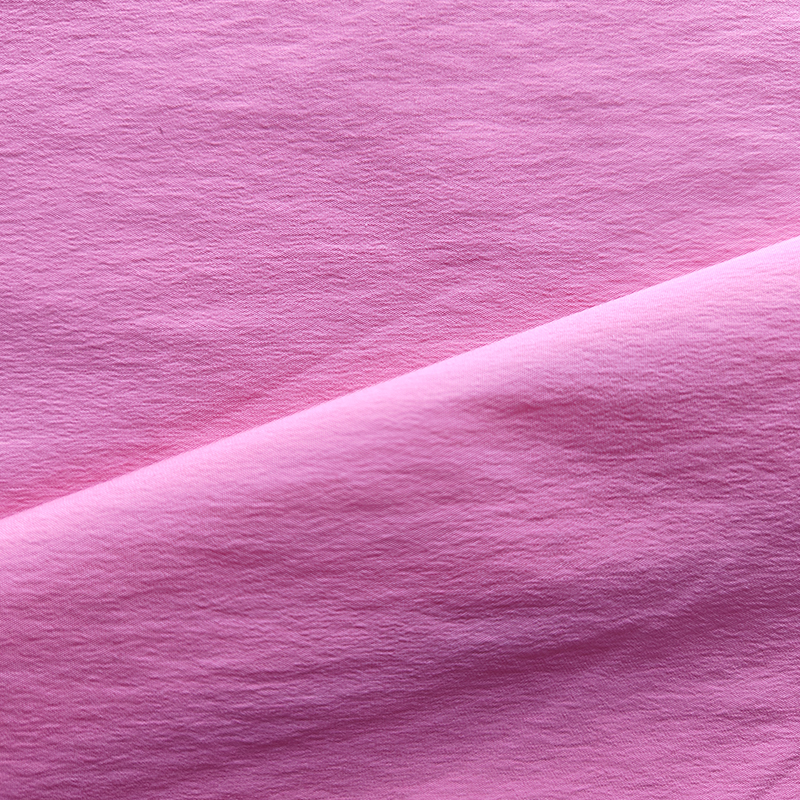
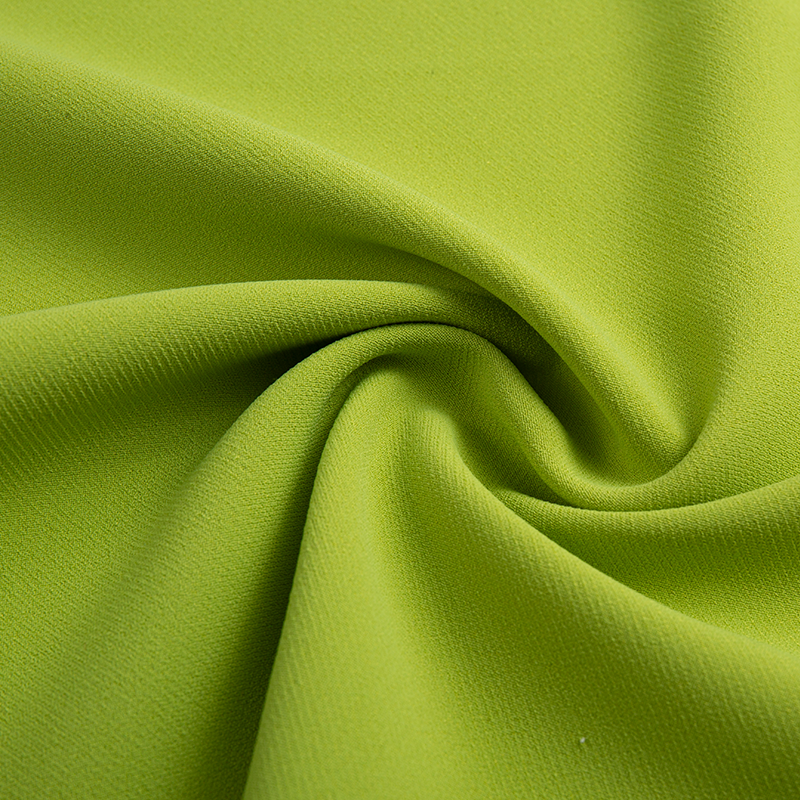
For decades, the fashion industry treated silk as the benchmark for luxury fabric — the reference point against which everything else was measured. Today, advances in synthetic fiber engineering have produced a new generation of chiffon, satin, and imitation silk fabrics made from polyester and nylon that replicate silk's most valued qualities: soft luster, fluid drape, and feather-light breathability. For designers and brands building collections across men's and women's clothing, these fabrics offer a compelling balance of aesthetic performance and practical durability that natural silk simply cannot match at scale.
What Are Chiffon, Satin, and Imitation Silk Fabrics?
These three fabric categories share a common foundation — synthetic fibers, principally polyester and nylon — but each delivers a distinct surface character and drape behavior suited to different design applications.
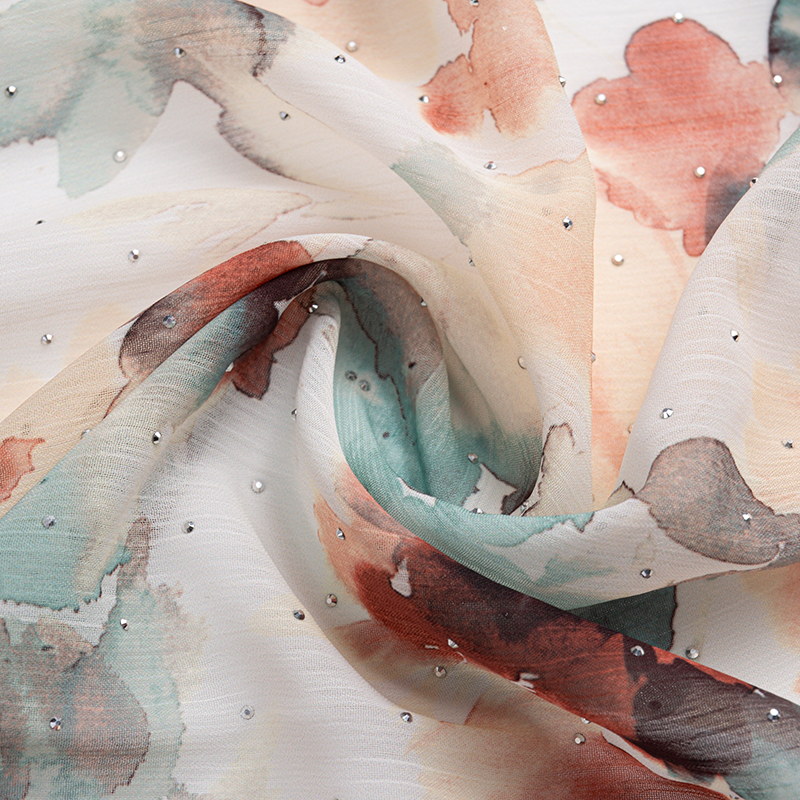
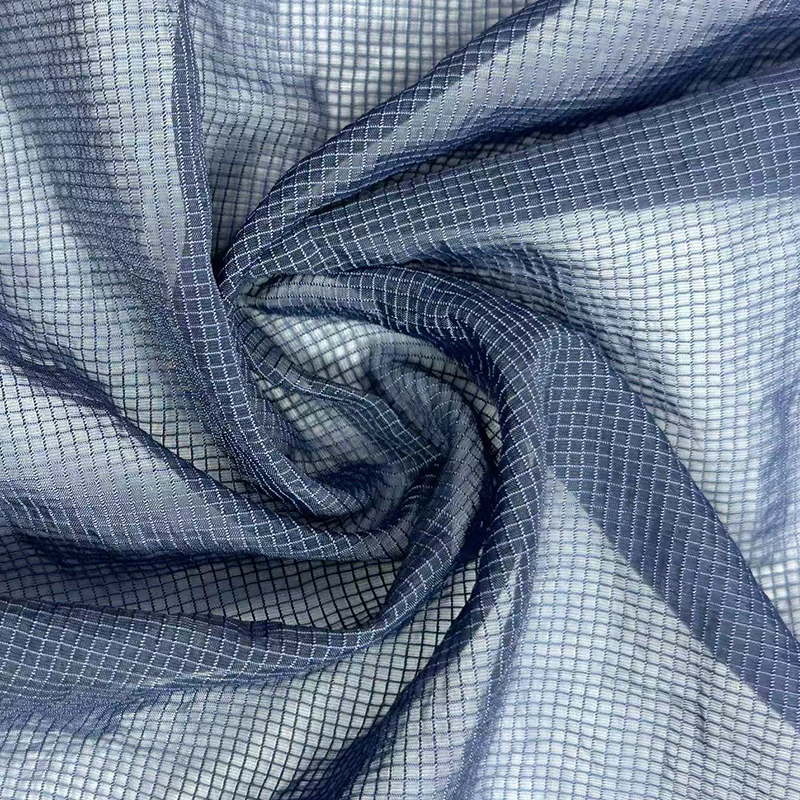
Chiffon is defined by its weave construction rather than its fiber content. Tightly twisted yarns interlaced in a plain weave create the fabric's characteristic open, gauze-like structure. This construction produces a sheer, lightweight textile with a slightly textured hand and exceptional fluid movement. Polyester and nylon chiffon replicate this structure reliably, with the added benefit of greater dimensional stability and wrinkle resistance compared to their silk counterparts.
Satin, similarly, is a weave type — its long surface floats give one face of the fabric a smooth, reflective finish while the reverse remains matte. When executed in fine polyester or nylon filament yarns, satin delivers the glossy, light-catching surface associated with luxury eveningwear at a fraction of the cost and complexity of silk satin production.
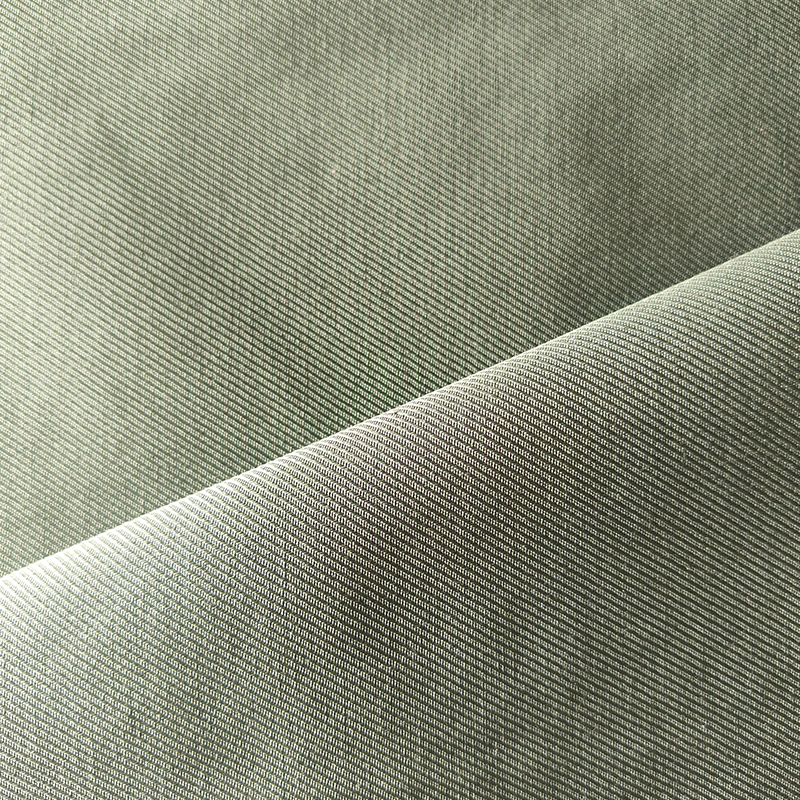
Imitation silk describes fabrics engineered specifically to mimic the visual and tactile properties of natural silk — its soft luster, smooth hand, and fluid movement — using synthetic or semi-synthetic fibers. Modern imitation silk fabrics produced from high-tenacity polyester microfibers and nylon filaments have reached a level of refinement that makes visual distinction from natural silk difficult even at close range.
Lightweight and Breathable: The Functional Core
The defining physical characteristic of this fabric family is its exceptional lightness. Chiffon and imitation silk fabrics produced from fine-gauge polyester and nylon yarns achieve weights that rival or match natural silk — typically ranging from 50 to 100 GSM depending on construction — creating a wearing experience that feels almost weightless against the skin.
Breathability in synthetic chiffon and satin fabrics is achieved through two mechanisms. First, the open weave structure of chiffon allows air to circulate freely through the fabric plane, supporting ventilation and heat dissipation. Second, advances in fiber cross-section engineering — including hollow-core and micro-channel filament profiles — improve moisture transport properties in premium polyester and nylon fabrics, reducing the clammy sensation historically associated with synthetic textiles.
The result is a fabric category that performs credibly across warm-weather applications — summer blouses, lightweight dresses, fluid resort wear — where breathability directly affects wearer comfort and determines repeat purchase behavior.
Fluid Drape: How Synthetic Fibers Replicate Silk's Movement
Drape is the quality most closely associated with luxury fabric. It is the reason silk chiffon moves the way it does on a runway — cascading in soft, continuous folds rather than breaking into stiff geometric planes. Replicating this behavior in synthetic fiber has been one of textile engineering's most persistent challenges, and one that modern polyester and nylon production has largely solved.
The key variables governing drape in synthetic chiffon and satin are filament fineness, twist level, and fabric finishing. Ultra-fine microfiber yarns — measured in denier counts below 50D — produce fabrics with a suppleness and weight distribution that approaches natural silk. High-twist yarn construction, borrowed directly from silk chiffon weaving traditions, introduces the slight surface texture that gives chiffon its characteristic movement and prevents the fabric from lying flat against the body.
In practice, a well-constructed polyester or nylon chiffon hangs with the same graceful fluidity as silk when draped over a dress form or worn in motion. For garment categories where movement is central to the design — flowing evening gowns, layered skirts, draped blouses, kimono-style outerwear — this drape performance is the primary selection criterion, and synthetic chiffon meets it consistently across production runs in a way that natural silk cannot guarantee.
Matte and Glossy Finishes: Aesthetic Flexibility for Every Design
One of the practical advantages of polyester and nylon chiffon, satin, and imitation silk fabrics is the range of surface finishes available within a single fiber category. Where natural silk's luster is fixed by fiber biology, synthetic fabrics can be engineered and finished to deliver either a matte appearance or a high-gloss sheen — or both simultaneously, as in satin-finish chiffon constructions with a glossy face and matte reverse.
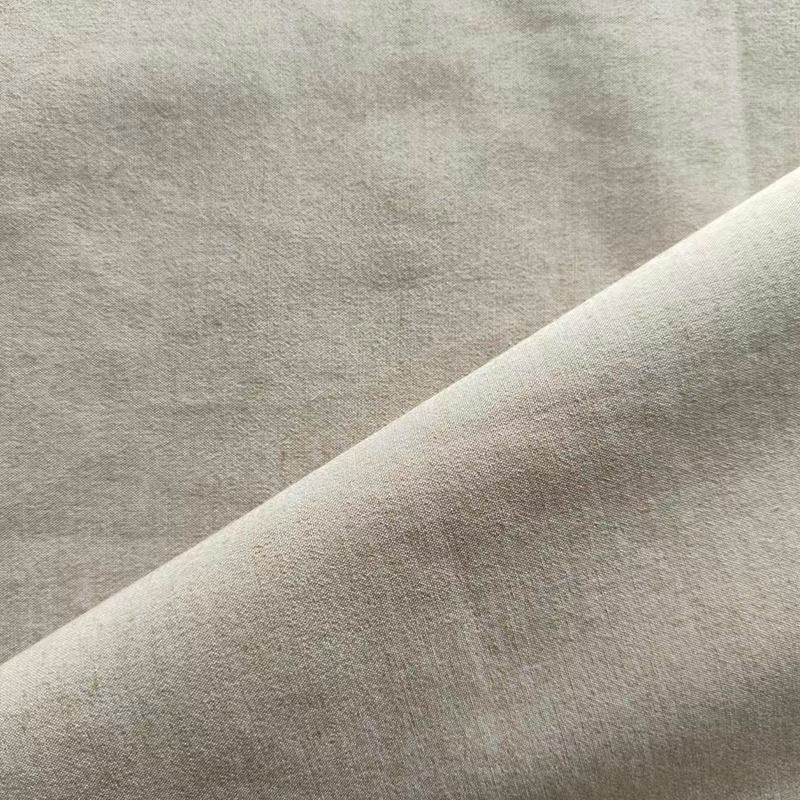
Matte finishes are achieved through fiber surface treatment, delusterant additives, or specific weave constructions that diffuse rather than reflect light. Matte chiffon and imitation silk fabrics read as more understated and versatile — they suit daywear, casual occasions, and minimalist design aesthetics without the formality that high-gloss surfaces imply.
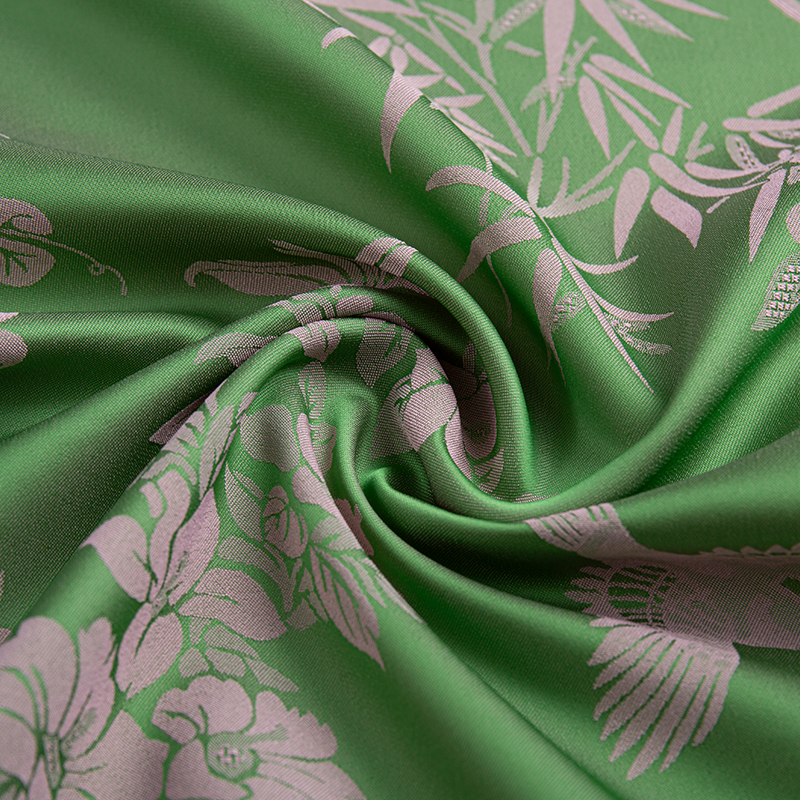
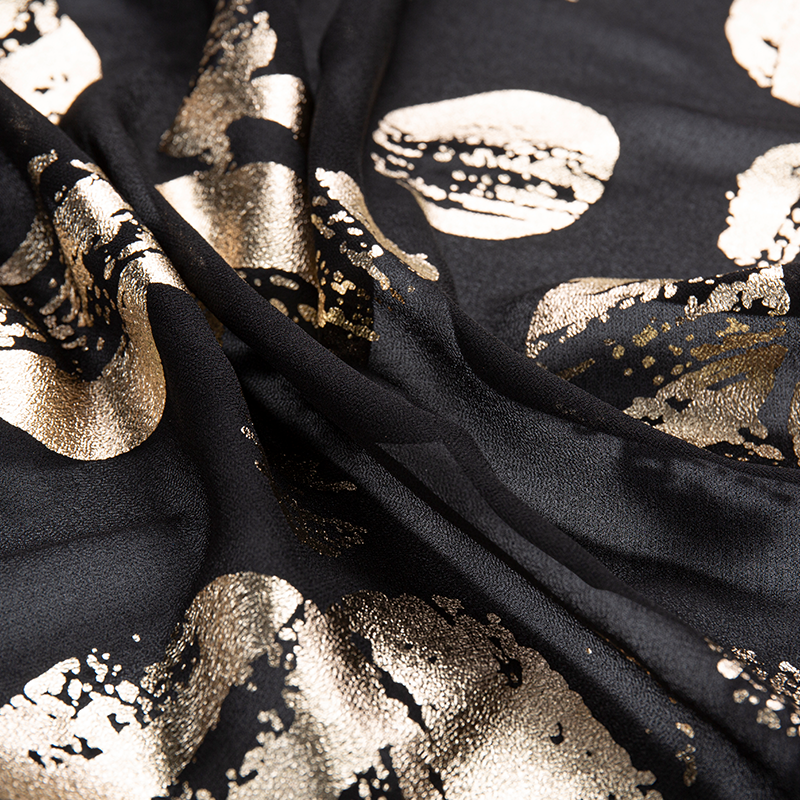
Glossy finishes — the hallmark of satin weaves and high-luster imitation silk — capture and redirect light across the fabric surface, creating the visual impression of depth and richness associated with luxury eveningwear. Glossy polyester satin in particular holds color with exceptional vibrancy, producing the deep jewel tones and rich neutrals that define premium occasion wear.
The availability of both finish types within the same fabric family gives designers and buyers flexibility to specify the appropriate surface character for each garment category without switching between entirely different fabric systems — simplifying sourcing and reducing sampling complexity across a collection.
Wrinkle Resistance and Easy Care: The Practical Advantage
Natural silk chiffon's most significant limitation as a production and consumer fabric is its care requirement. It cannot be machine washed. It requires hand washing in cold water with pH-neutral detergent, careful drying away from heat and sunlight, and low-temperature ironing on the reverse face with a pressing cloth. For garments produced at volume and purchased by consumers who expect machine-washable clothing, this is a meaningful constraint.
Polyester and nylon chiffon, satin, and imitation silk fabrics eliminate this friction. Their inherent fiber properties — resistance to creasing under mechanical stress, dimensional stability in water, and color retention through repeated wash cycles — mean that garments made from these fabrics can be specified as machine-washable on a gentle cycle, tumble-dried on low, and returned to wear with minimal care effort.
Wrinkle resistance is particularly significant for garments that travel — evening wear packed into luggage, workwear commuted in bags, resort clothing worn directly from a suitcase. Polyester and nylon chiffon recovers from compression without the permanent crease marks that can damage natural silk's appearance. This performance characteristic translates directly into lower return rates, fewer customer care complaints, and stronger brand reputation for apparel businesses.
For the manufacturing side, wrinkle resistance also simplifies the finishing and logistics chain. Rolled goods are more stable in transit, cutting and sewing processes are more consistent, and finished garments require less pressing before shipment.
Applications in Men's and Women's Fashion
The versatility of chiffon, satin, and imitation silk fabrics across both men's and women's garment categories is one of the primary reasons for their growing adoption in contemporary fashion production.
In women's clothing, the applications are well established: flowing midi and maxi dresses, evening gowns with layered chiffon skirts, blouses with bishop or flutter sleeves, kimono-style wraps, bridal overlays and veils, and lightweight scarves. Satin-finish fabrics appear in slip dresses, tailored trousers with a subtle sheen, and structured bodices where surface reflectivity adds visual interest without ornamentation.
In men's clothing, the adoption of chiffon and imitation silk fabrics reflects a broader shift toward lightweight, fluid tailoring in contemporary menswear. Open-weave chiffon and fine imitation silk appear in resort shirts, lightweight summer blazer linings, dressy camp-collar shirts, and fluid wide-leg trousers designed for warm-climate or occasion wear. Matte-finish imitation silk — which reads as subtle and refined rather than overtly luxurious — is particularly well suited to men's shirting and casual tailoring where the softness and drape are valued without the glossy surface that some consumers associate with formal occasion wear.
Across both categories, the availability of these fabrics within a dedicated men's and women's clothing fabrics range allows brands to develop cohesive collections with consistent material character across genders. For brands exploring adjacent categories, the same fabric properties that work in clothing translate naturally into sports and leisure fabrics — particularly for lightweight cover-ups, studio-to-street layering pieces, and leisure shirts where fluid movement is a design priority.
How to Choose the Right Fabric for Your Collection
Selecting the appropriate fabric within the chiffon, satin, and imitation silk family depends on four primary criteria: end-use garment category, required drape behavior, surface finish specification, and care standard.
| Fabric Type | Finish | Best For | Key Advantage |
|---|---|---|---|
| Polyester Chiffon | Matte / Semi-sheer | Dresses, blouses, overlays, scarves | Fluid drape, wrinkle resistance, color vibrancy |
| Nylon Chiffon | Matte / Slightly crisp | Structured overlays, dancewear, resort wear | Strength, recovery, soft hand |
| Polyester Satin | High gloss | Evening gowns, slip dresses, linings | Rich sheen, deep color, easy care |
| Imitation Silk | Matte or glossy | Shirts, blouses, casual tailoring, pajamas | Silk-like hand, washable, cost-effective |
For brands developing broader product assortments, the same supplier relationship that covers clothing fabrics can extend into adjacent categories. Soft imitation silk and fine chiffon constructions are equally well suited to home textiles and pajamas fabrics — where the lightweight, breathable, and skin-friendly properties of these materials translate directly into premium sleepwear and bedding applications.
Working with a manufacturer that offers OEM and ODM capabilities across this fabric range allows brands to specify constructions, finishes, and colorways precisely matched to their design requirements — ensuring that the material performance described in this guide is realized consistently at production volume.
Conclusion
Chiffon, satin, and imitation silk fabrics made from polyester and nylon have moved well beyond their origins as affordable silk substitutes. They now represent a fabric category in their own right — engineered for consistent drape, surface versatility, wrinkle resistance, and easy care across the full breadth of men's and women's fashion applications. For designers and brands building collections that require the visual language of luxury fabric without the production constraints of natural silk, these materials offer a technically mature and commercially compelling solution.