English
 English
 Español
Why Polyester Dominates the Home Textile Market
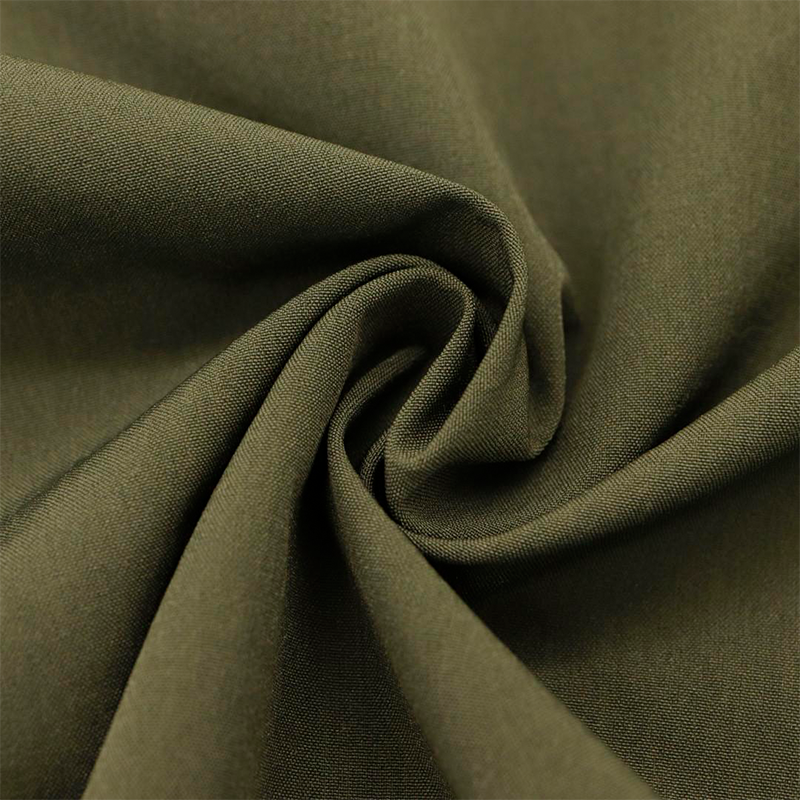
Among the wide range of materials available to home textile manufacturers and consumers, polyester home textile fabrics have established themselves as the most widely used and commercially significant category in the global market. This dominance is not accidental — it reflects a convergence of practical performance characteristics that directly address the real-world demands of daily home living. From bed sheets and duvet covers to curtains, sofa covers, and pajamas fabric, polyester delivers a combination of durability, aesthetics, and ease of care that natural fibers alone cannot match at comparable price points. Understanding why polyester has earned this position requires a detailed look at what it offers across the four core dimensions that define home textile fabric quality: comfort, protection, durability, and aesthetics.
The modern home textile market is driven by consumers who expect their bedding, loungewear, and soft furnishings to perform reliably over long periods with minimal maintenance effort. Polyester home textile fabrics meet this expectation by combining engineered fiber properties with versatile processing compatibility, enabling manufacturers to produce fabrics that are simultaneously soft, vibrant, washable, and long-lasting. For brands competing on value, quality, or design differentiation, polyester remains an indispensable foundation material across the full spectrum of home textile product categories.
Comfort Properties: Soft, Breathable, and Skin-Friendly
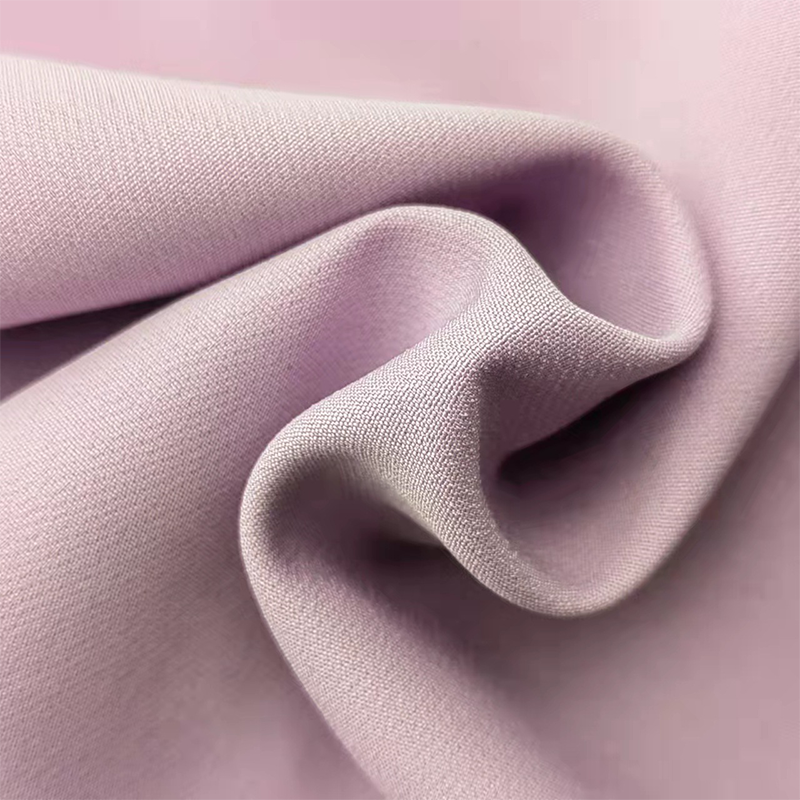
The comfort dimension of polyester home textile fabrics has evolved significantly with advances in fiber engineering. Modern microfiber polyester — produced from ultra-fine filaments with diameters measured in microns — achieves a genuinely soft, skin-friendly hand feel that competes directly with cotton in perceived tactile comfort. This softness is particularly important in pajamas fabric, where the material is in continuous contact with skin throughout the night. A rough or scratchy fabric surface disrupts sleep quality and causes skin irritation, making softness not a luxury attribute but a functional necessity for any pajamas fabric intended for everyday use.
Beyond surface softness, high-quality polyester home textile fabrics incorporate moisture-wicking fiber structures that draw perspiration away from the skin and distribute it across a larger evaporative surface area. This thermal regulation function helps maintain the comfortable microclimate between the sleeper and the bedding, preventing the clammy, overheated sensation that can disrupt sleep. Breathability is further enhanced through open-weave or knit constructions that promote air circulation, ensuring that polyester bedding and pajamas fabric remain comfortable across a range of sleeping temperatures and seasonal conditions.
Durability Advantages That Reduce Replacement Costs
Polyester home textile fabrics offer excellent wrinkle resistance and shape retention, resisting deformation and wrinkling through repeated use and laundering cycles. This dimensional stability is one of the most practically significant advantages of polyester over natural fiber alternatives. Cotton and linen bedding requires ironing or pressing after washing to restore a smooth, presentable appearance — a time investment that accumulates significantly over the years of a product's service life. Polyester fabrics emerge from the dryer with minimal wrinkling, reducing daily care burden and making them a genuinely low-maintenance choice for busy households.
Wear resistance and pilling resistance further extend the usable life of polyester home textile products. Pilling — the formation of small fiber balls on the fabric surface caused by friction — is a common failure mode in lower-quality fabrics that compromises both the appearance and tactile comfort of bedding and pajamas fabric over time. High-tenacity polyester fibers resist the abrasion that causes pilling, maintaining a smooth, consistent surface appearance through hundreds of wash cycles. Combined with shrink resistance that preserves the original dimensions of fitted sheets, pillowcases, and garment cuts wash after wash, these durability properties translate directly into a lower total cost of ownership per product compared to less resilient alternatives.
Mildew and Moth Resistance in Humid Environments
Polyester's synthetic polymer structure provides inherent resistance to mildew growth and moth damage — biological degradation mechanisms that can destroy natural fiber textiles stored in humid or poorly ventilated conditions. This property makes polyester home textile fabrics particularly well suited for use in humid climates, coastal regions, or any household environment where moisture management is a concern. Bedding, sofa covers, and cushion covers made from polyester can be stored between seasons without the risk of mold contamination or insect damage that would affect equivalent products made from wool or untreated cotton.
Aesthetic Versatility: Color, Texture, and Design Freedom
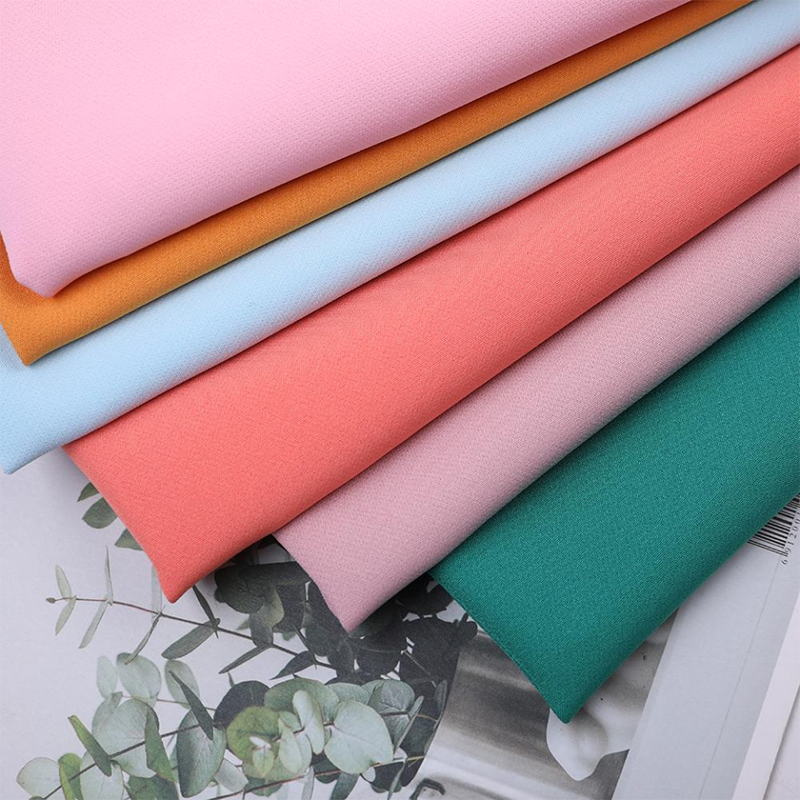
One of the most commercially important attributes of polyester home textile fabrics is their exceptional compatibility with a wide range of coloring and finishing processes. Polyester fibers accept disperse dyes with high colorfastness, producing vibrant and long-lasting colors that resist fading under repeated washing and UV exposure. This color stability is essential for home textile products — particularly curtains, duvet covers, and decorative cushion covers — that must maintain their visual appeal over extended periods of use and laundering. Cotton and linen fabrics are more prone to color fading with repeated washing, a limitation that gives polyester a clear aesthetic durability advantage in products where sustained visual freshness is important.
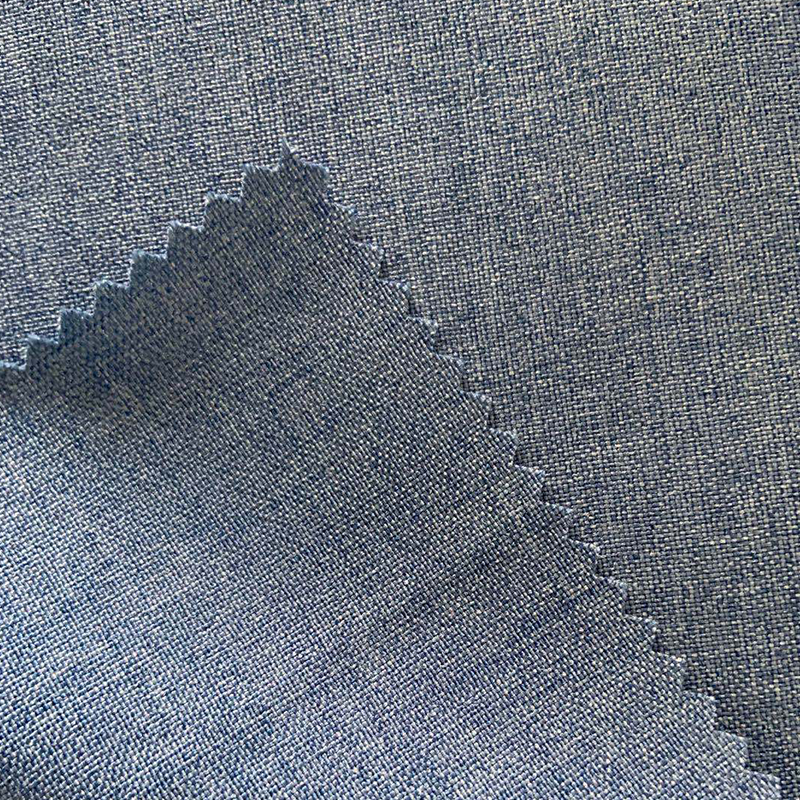
Beyond colorfastness, polyester home textile fabrics support diverse decorative processes including reactive printing, heat transfer printing, and jacquard weaving. These techniques enable manufacturers to reproduce complex patterns, photographic imagery, and intricate geometric designs with sharp definition and fine detail — possibilities that expand the design range available to both mass-market and premium home textile brands. Jacquard polyester fabrics create sophisticated woven patterns with dimensional texture and subtle sheen that communicate quality and craftsmanship, making them popular in premium bedding sets, decorative cushions, and upholstery applications where visual richness and tactile interest are equally important.
Polyester as the Preferred Pajamas Fabric
In the specific context of sleepwear and loungewear, polyester has become one of the most widely used pajamas fabric materials globally, offering a combination of properties that align closely with what consumers need from nightwear. The soft microfiber constructions available in modern polyester pajamas fabric deliver the gentle, smooth skin contact that promotes undisturbed sleep, while the fabric's inherent shape retention ensures that pajamas maintain their cut and fit through regular laundering without stretching or shrinking out of shape.
The easy-care characteristics of polyester pajamas fabric are particularly valued by consumers who wash sleepwear frequently. Machine washability without deformation, quick-drying properties that reduce drying time compared to heavier natural fiber alternatives, and wrinkle resistance that eliminates the need for ironing all contribute to a low-maintenance ownership experience. These practical advantages, combined with the fabric's ability to carry vibrant printed patterns and soft, plush finishes, explain why polyester is consistently specified by sleepwear brands targeting both value-conscious and design-oriented consumer segments.
Full Application Range Across Home Textile Categories
The versatility of polyester home textile fabrics extends across the full breadth of home textile product categories. The following table summarizes the primary applications and the specific polyester fabric properties that make it the preferred material choice in each category:
| Product Category | Key Polyester Properties Applied | Consumer Benefit |
| Bed Sheets & Pillowcases | Soft, wrinkle-resistant, shrink-resistant | Smooth sleep surface, easy care, lasting fit |
| Duvet Covers | High colorfastness, print-compatible, durable | Vibrant designs that hold color wash after wash |
| Pajamas Fabric | Soft, moisture-wicking, shape retention | Comfortable all-night wear with easy laundering |
| Curtains | UV-stable colors, wrinkle resistance, lightweight | Sustained visual freshness, easy hanging and cleaning |
| Sofa Covers & Cushions | Wear-resistant, pilling-resistant, jacquard-compatible | Long-lasting appearance under heavy daily use |
| Towels & Bath Textiles | Quick-drying, mildew-resistant, washable | Hygienic, fast-drying performance in humid spaces |
Cost-Effectiveness: Balancing Quality and Economy
Relative to cotton, linen, silk, and other natural fiber alternatives, polyester home textile fabrics offer a significantly lower raw material cost per unit of fabric produced. This cost advantage does not come at the expense of performance — in many measurable dimensions such as wrinkle resistance, colorfastness, and dimensional stability, polyester outperforms natural fibers without any premium pricing. For manufacturers producing high-volume home textile lines, this cost-performance balance enables competitive retail pricing without sacrificing the quality attributes that drive consumer repurchase and brand loyalty.
- Lower raw material cost: Polyester fiber production is highly scalable, with global supply chains that maintain stable pricing across market cycles — providing manufacturers with reliable cost forecasting and supply security.
- Reduced processing cost: Polyester's compatibility with high-speed weaving, knitting, and finishing equipment reduces per-unit processing time and energy consumption compared to more delicate natural fiber fabrics.
- Lower consumer care cost: Machine washability, quick drying, and wrinkle resistance eliminate the ironing and dry-cleaning costs that accompany premium natural fiber home textiles, reducing the total lifetime cost of ownership for the end consumer.
- Extended product lifespan: The durability of polyester home textile fabrics means fewer replacement purchases over time, delivering sustained value to consumers and supporting brand reputation for product longevity.
These compounding economic advantages, layered over a foundation of genuine functional performance, explain why polyester home textile fabrics remain the preferred choice for manufacturers, retailers, and consumers seeking home textile products that balance practicality, aesthetics, and economy across every product category — from everyday bed sheets and soft pajamas fabric to decorative cushions and functional bath textiles.