English
 English
 Español
The short answer: nylon feels smoother than polyester
If you are comparing polyester vs nylon for smoothness, nylon is the clearer winner in most apparel fabrics. Nylon filaments have a rounder cross-section, lower surface friction, and a silkier hand feel than polyester of the same weight and weave. That is why yoga wear, innerwear, and dress fabrics so often use nylon despite its higher price. At our own mill, this question comes up every week. After more than two decades developing functional polyester and nylon fabrics, we know where the marketing claims end and the measurable differences begin.
For fabric buyers, "smooth" needs a definition before it can guide a purchasing decision. Do you mean the silky glide of a lining, the soft powdery touch of a brushed knit, or a low-friction surface for sportswear? The fibre choice changes depending on the answer, and so does the yarn structure and chemical finish. This article explains why nylon feels smoother, where polyester still makes sense, and how to evaluate samples before you commit to a bulk order.
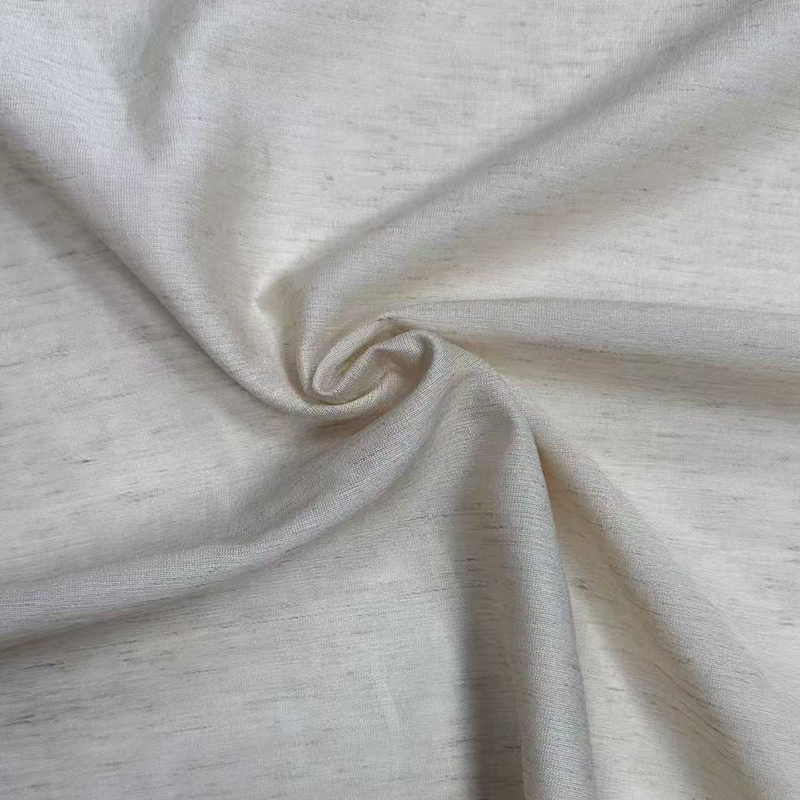
Why nylon feels smoother at the fibre level
Filament cross-section and surface texture
Under a microscope, nylon filaments are typically round or only slightly modified in cross-section, giving them a continuous, relatively smooth surface. Polyester filaments, especially the ones promoted for quick-dry sportswear, are often multi-lobal or grooved to increase capillary wicking. Those grooves make polyester efficient at moving moisture, but they also create more micro-contact points against the skin. That is why a nylon fabric can feel slippery and luxurious while a polyester fabric of similar weight feels crisper and drier to the touch. The shape difference is visible before any finishing is applied.
Moisture regain changes the way it touches skin
Nylon absorbs roughly 4 percent of its weight in moisture; polyester absorbs only about 0.4 percent. When a garment starts to absorb sweat, the nylon fibre hydrates and the surface maintains a silky, soft sensation. Polyester stays hydrophobic, which keeps sweat moving along the fibre surface, but that same dryness can translate into a slightly stiff or rough contact against the skin. If the application demands a smooth feel during physical activity, nylon has a real advantage that no amount of polyester chemical softening fully reproduces.
Yarn fineness and filament count
Smoothness is not only about the polymer; it is also about the yarn denier. A 20-denier or 40-denier nylon filament is incredibly fine and soft, which is why nylon lingerie, slip dresses, and stretch leggings feel supple rather than plasticky. Polyester can be made in microfiber versions that imitate this softness, and modern texturizing has improved its hand feel considerably. But for light- and mid-weight fabrics, nylon still offers the shortest path to a genuinely smooth result.
How smoothness transfers to real garments
Nylon first for innerwear, yoga wear and silky dresses
Any garment that sits directly against the skin and needs to feel soft, slippery, or luxurious is a natural nylon candidate. Yoga brands and innerwear manufacturers choose nylon because the low-friction surface reduces chafing and makes tight-fitting garments easier to pull on. Our nylon four-way stretch fabric is one of the most common starting points for leggings and body-conscious dresses, combining that silky touch with the recovery that fitted styles require.
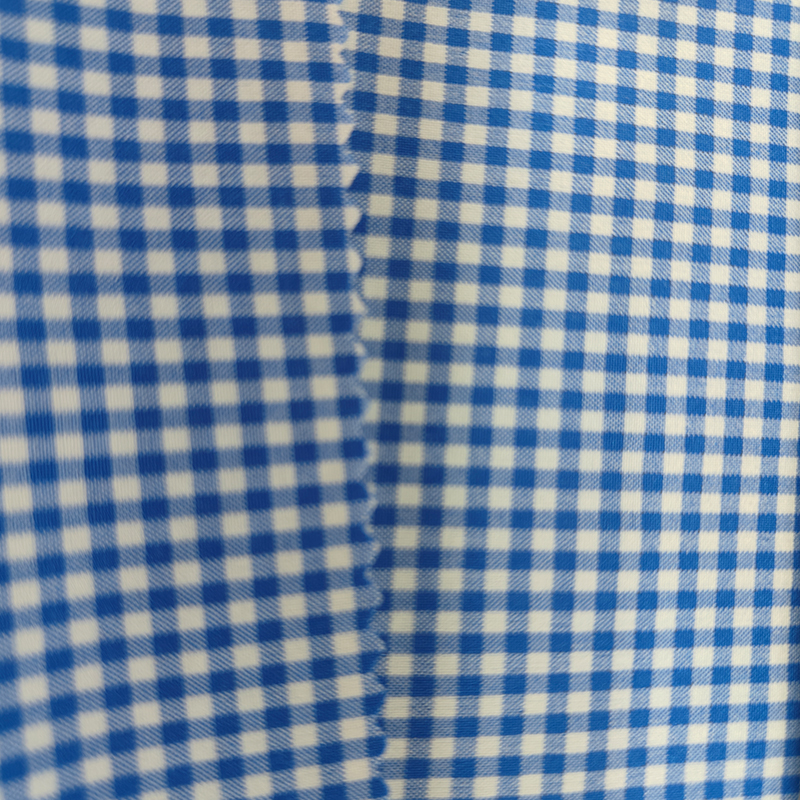 Nylon Sportswear Fabrics Manufacturers, Nylon Leisure Fabrics SupplierLANNERET Provide Nylon Sports Leisure Fabrics OEM/ODM, Custom Nylon Sportswear Fabrics Manufacturers and Nylon Four-Way Stretch Sport Lei...View Product →
Polyester when dry hand and shape stability matter
Polyester is not a bad fabric; it is simply chosen for a different job. Its drier, crisper hand is exactly what some buyers want: it does not cling to the body when sweat soaks through, and it holds a crease or a silhouette better than nylon after repeated washing. For activewear that will be worn hard and washed often, our polyester four-way stretch fabric balances quick drying and shape retention with a reasonably comfortable hand. It will usually lose a blind smoothness test against nylon, but it wins the total performance equation in many gym and outdoor settings.
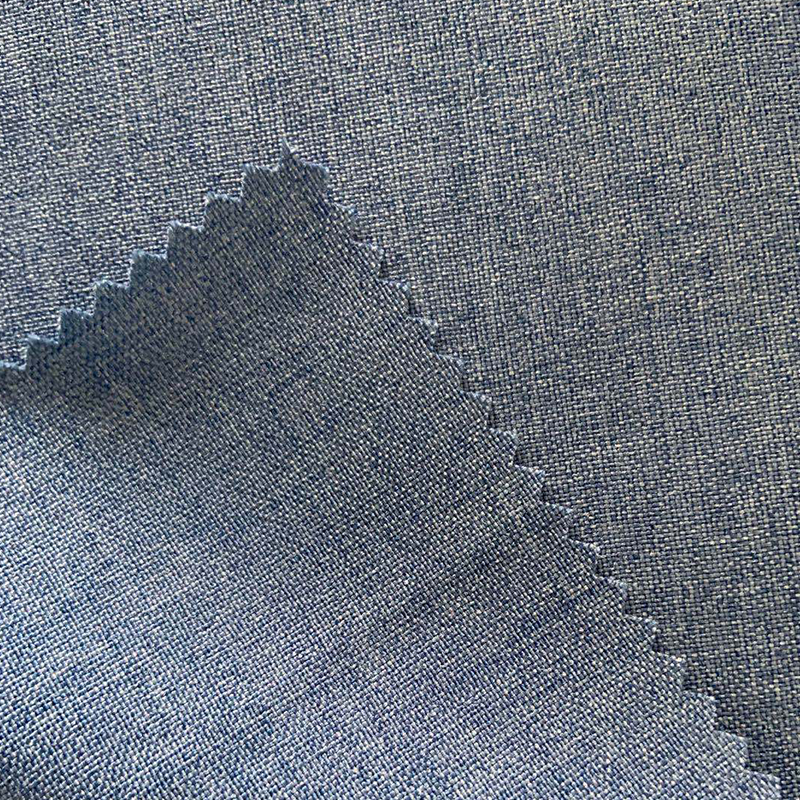 Polyester fabric, four-way stretch sports/leisure fabrics Suppliers, Custom CompLANNERET TEXTILE is Custom Polyester fabric, four-way stretch sports/leisure fabrics Suppliers and Company in China, OEM/ODM Polyester fa...View Product →
A simple blind touch test
The fastest way to demonstrate the difference is also the simplest. Take a nylon swatch and a polyester swatch of similar weight, close your eyes, and rub them between your thumb and index finger. The nylon side will feel softer, smoother, and more slippery. Even the latest polyester constructions have narrowed the gap, but side by side, nylon usually still wins. That matters if your design brief starts with "it must feel smooth against skin." If the brief starts with "it must dry fast," polyester should be the starting point.
Nylon vs polyester at a glance
If smoothness is your primary criterion, the table below summarizes the typical differences you can expect between these two fibres. The numbers are typical values, not guarantees; construction and finishing can move the result in either direction.
| Property | Nylon | Polyester |
|---|---|---|
| Smoothness and hand feel | Silky, low-friction, soft | Drier, crisper, occasionally rough |
| Moisture regain | ~4% | ~0.4% |
| Abrasion resistance | Excellent | Good to very good |
| UV and chlorine resistance | Moderate | Stronger |
| Dimensional stability | Moderate; can stretch | Excellent; holds shape |
| Typical price level | Higher | Lower |
| Common applications | Yoga wear, innerwear, dresses | Sportswear, bags, outdoor clothing |
Notice that nylon wins on smoothness and initial softness, while polyester takes the durability and shape-holding side. For dresses, blouses, and linings, a satin-weave polyester can feel surprisingly close to nylon, which is why our chiffon satin and imitation silk fabrics remain popular with womenswear brands. The glossy surface of a satin weave produces its own smoothness, partly independent of the fibre.
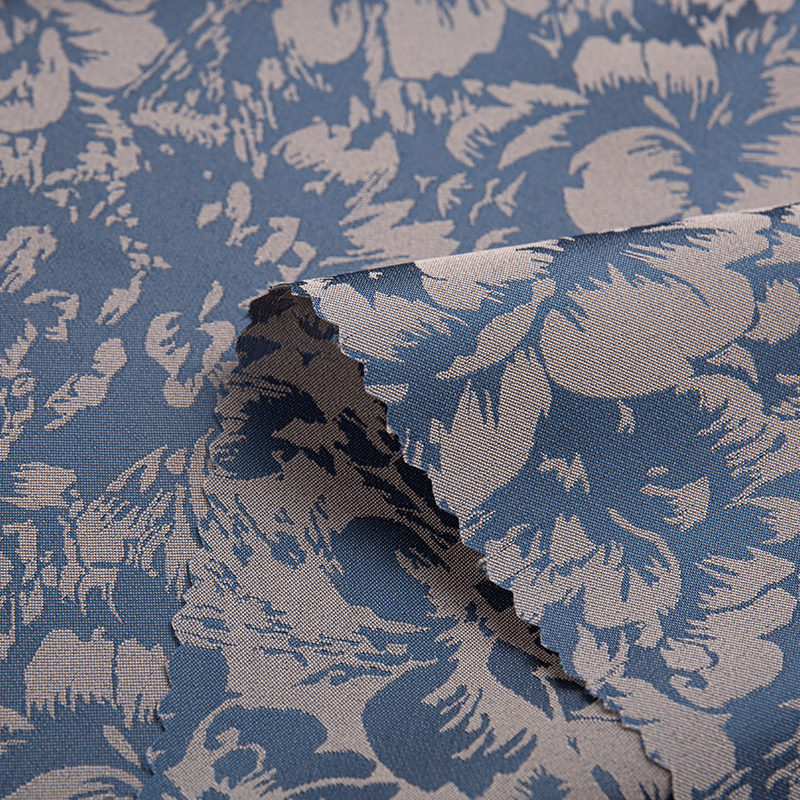 Chiffon, Satin, and Imitation Silk Men's and Women's clothing fabrics SuppliersLANNERET TEXTILE is Custom Chiffon, Satin, and Imitation Silk Men's and Women's clothing fabrics Suppliers and Company in China, OEM/ODM...View Product →
How to evaluate smoothness before you commit to a bulk order
A five-minute friction test at your desk
Place two swatches face-up on a table. Slide your palm across each one using the same speed and pressure, and notice the amount of drag. Nylon will glide with noticeably less resistance. Then dampen both swatches with a spray bottle and repeat the test. The nylon swatch will still feel silky, while most polyester swatches feel dry and slightly rough. This simple test tells you more than most technical datasheets.
Four questions to ask your supplier
When a supplier presents a "smooth" polyester fabric, ask for four details: the fibre denier, the yarn twist, the weave or knit structure, and the finishing formula. A silicone softener or a calender finish can make polyester feel much smoother than its base fibre would suggest. Compare the finished fabric with the greige fabric, and you will see exactly how much of the smoothness was created after weaving. If you are developing a product, we can adjust the fibre, twist, and finish to match your target hand feel. You can browse our full product catalog to see the constructions we work with. For a deeper look at how functional finishes interact with fabric performance, our article on waterproof breathable sports fabrics is a useful reference.
Always test the finished sample in the real wash cycle
Fabric tests mean little unless the sample is finished exactly as the bulk order will be. A smooth hand feel can disappear with a different dye lot, a different softener dose, or a different wash routine. Ask the mill for production-comparable samples rather than bench-top lab samples, and run the same wash test you plan to specify on the label. Smoothness has to survive washing, drying, and extended wear before it is a real product feature.
The final call: which one should you pick?
If the deciding factor is strictly smoothness, nylon is the more reliable choice. It feels softer, silkier, and more comfortable against the skin in nearly every apparel category. Choose polyester when the product has to dry quickly, resist UV and chlorine, hold its shape after many washes, or hit a tighter price point. Choose a satin or sueded polyester construction when you need the look of silk at a lower cost.
In our experience, the best product decisions come from brands that define smoothness precisely before they talk to suppliers. Have your design team touch a set of reference fabrics, rank them, and write down what "smooth" means for each product line. Then bring that reference to a mill that works in both nylon and polyester, and you will get a much more targeted recommendation. Send us a reference garment or a hand-feel target, and our development team will build the fabric around it. That is how a simple question about smoothness turns into a production-ready fabric that your customers can actually feel.