English
 English
 Español
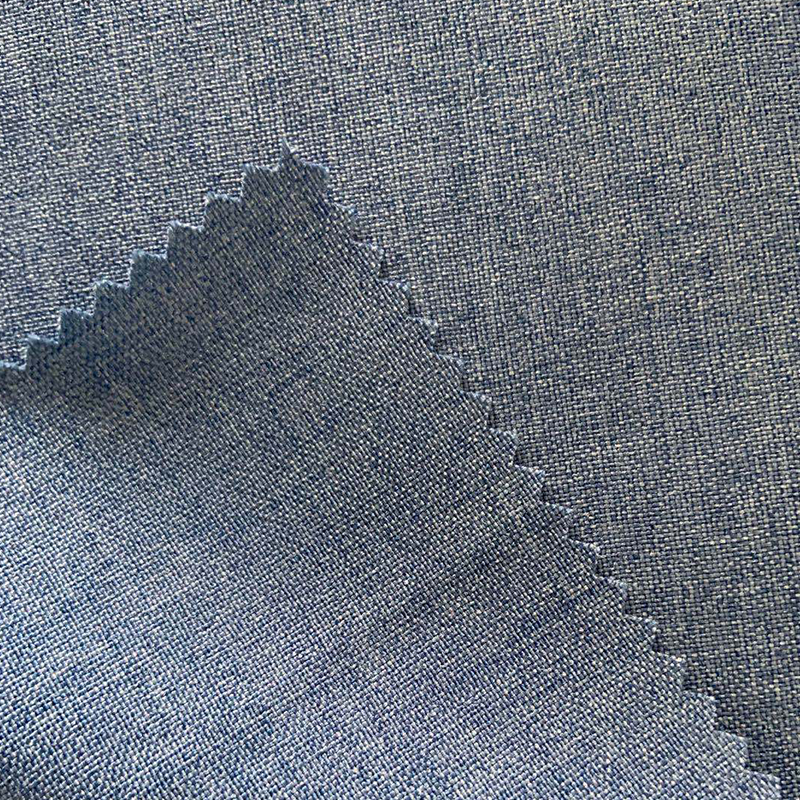
During a routine quality check, a sportswear buyer saw a polyester fabric reduce Staphylococcus aureus by 99.3% on day one but only 74.6% after 20 washes. A competing fabric with the same active chemistry kept 98.8% after the same wash test. That difference explains why antimicrobial fabrics must be specified by data, not by label.
Core takeaway: Antimicrobial fabrics can kill or inhibit bacteria, fungi, and some viruses, but the performance you can rely on depends on the active agent, its bond to the fibre, and how the fabric is tested and laundered.
How Antimicrobial Fabrics Actually Work
An antimicrobial textile is any fabric that prevents the growth of microorganisms. In practical terms, buyers see this as odour control, reduced skin irritation, longer product life, and a lower infection risk in healthcare, hospitality, and activewear. The term, however, covers many different chemistries and application methods.
Leaching vs non-leaching finishes
Leaching finishes release a biocide into the surrounding moisture and kill microbes in the immediate environment. They are fast-acting and inexpensive, but they can lose effectiveness after washing and create regulatory concerns in wastewater. Non-leaching finishes are bound to the fibre surface and work only on direct contact. They last longer, release less chemistry into the environment, and are usually easier to justify in brand compliance programs.
Common active agents
- Silver compounds: broad-spectrum, heat-stable, and durable when bound to the fibre.
- Zinc pyrithione: effective against fungi, commonly used in yoga and loungewear.
- Quaternary ammonium compounds (QACs): good bacteria control at low cost, but they may wash out unless properly anchored.
- PHMB (polyhexamethylene biguanide): broad-spectrum and widely used in medical apparel.
- Bio-based agents: chitosan and plant extracts are attractive for clear marketing, but their wash durability is often short.
Avoid finishes based on triclosan; it is heavily restricted in many markets and no longer common in apparel.
Side-by-Side: Finish Technologies
The following comparison is a practical starting point for sourcing teams. Actual results depend on fibre type, dyeing parameters, and wash testing.
Finish
Mode
Wash durability
Best suited for
Main risk
Silver
Non-leaching / contact
High, often 30+ washes
Sportswear, outdoor garments
Higher price, possible shade change
QAC
Leaching / contact
Medium, 10–20 washes
Cost-sensitive loungewear
Reduced efficacy after alkaline washes
PHMB
Contact
Medium to high
Medical-style apparel, base layers
pH sensitivity in some dye systems
Zinc pyrithione
Contact
Medium to high
Athletic, moisture-wicking fabrics
Less effective against some gram-negative bacteria
Table note: Comparisons are typical indications, not guaranteed values; request your own wash-durability report.
Hidden Metrics That Separate Real Performance from Gimmicks
A “99% reduction” is only meaningful if you know the test method, contact time, and wash cycle. Common protocols include AATCC 100, ISO 20743, ISO 22196, JIS L 1902, and ASTM E2149. Do not compare percentage reductions across different standards; one protocol can report 95% while another reports 99% for the same fabric.
The hidden metric is wash durability. Most antimicrobial finishes work on new fabric. The best ones are still effective after 20 or 30 industrial washes. The chart below shows typical retained efficacy after 20 home launderings, based on laboratory experience.
98% Silver
87% QAC
94% PHMB
Illustrative data for retention of antibacterial efficacy after 20 washes. Always test your final colour and finish combination.
Industry Applications and Material Selection
Odour control drives demand in sportswear and outdoor gear; hygiene is the priority in healthcare and hospitality; freshness between washes matters in home textiles.
- Sportswear and athleisure: 45%
- Healthcare and protective wear: 25%
- Outdoor clothing and equipment: 15%
- Home textiles and loungewear: 10%
- Other uses: 5%
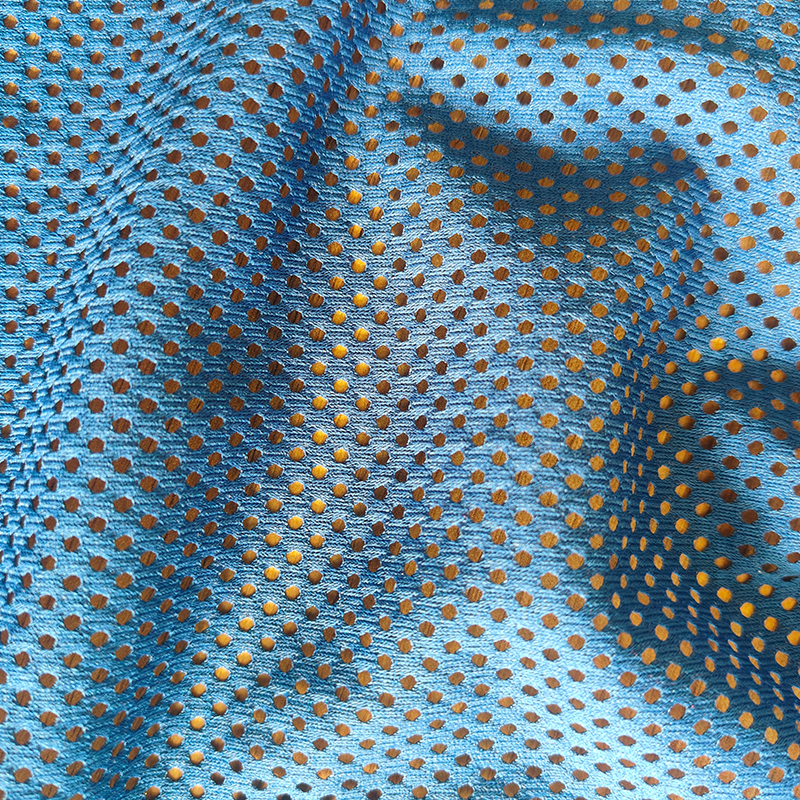
For base layers and compression garments, a nylon four-way stretch sports fabric with an antimicrobial finish provides the rebound needed for athletic motion while controlling odour. In breathable outdoor designs, an outdoor mesh fabric lets heat escape, and a silver-based treatment prevents bacteria from multiplying inside the garment. For loungewear and pajamas, polyester four-way stretch fabric for home textiles can be finished with zinc-based antimicrobial chemistry to reduce skin discomfort and odour over long wear.
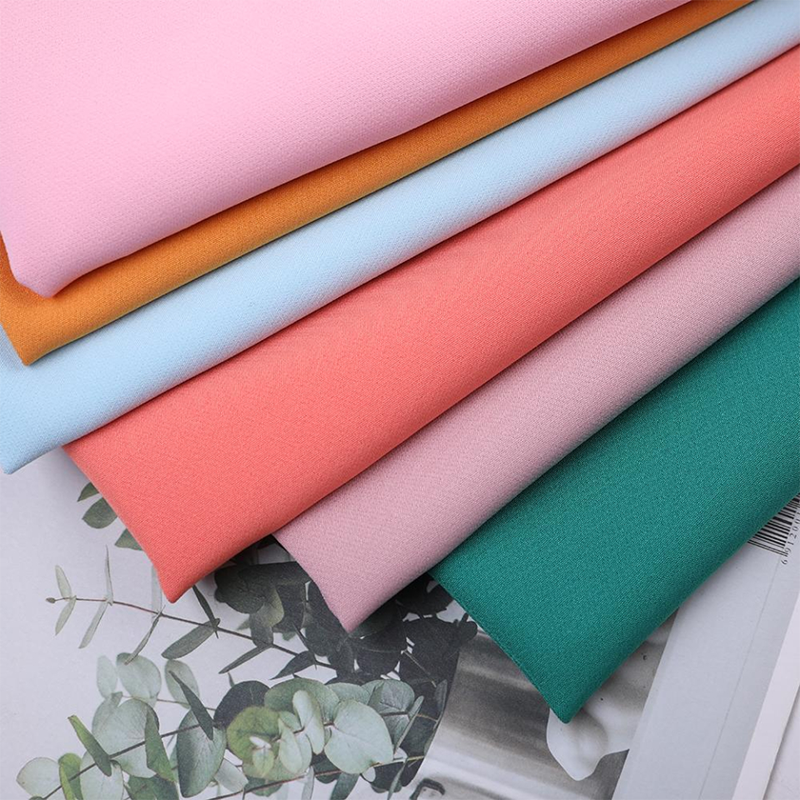 Polyester fabric, four-way stretch home textiles/pajamas fabrics Suppliers, CusLANNERET TEXTILE is Custom Polyester fabric, four-way stretch home textiles/pajamas fabrics Suppliers and Company in China, OEM/ODM Poly...View Product →
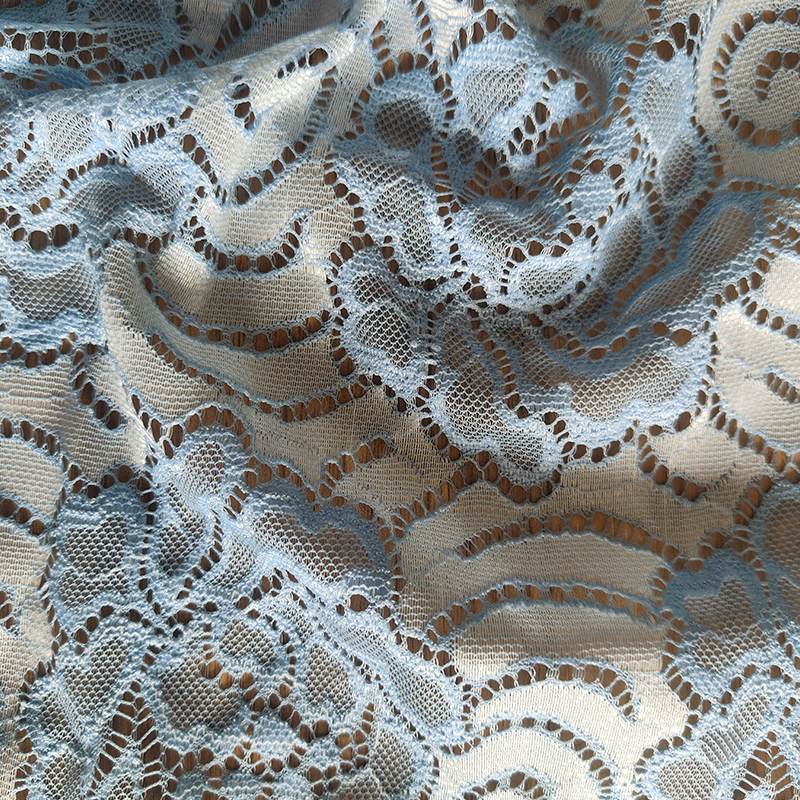 Mesh fabric outdoor fabrics Suppliers, Custom Company - WUJIANG LANNERET TEXTILLANNERET TEXTILE is Custom Mesh fabric outdoor fabrics Suppliers and Company in China, OEM/ODM Mesh fabric outdoor fabrics online, S...View Product →
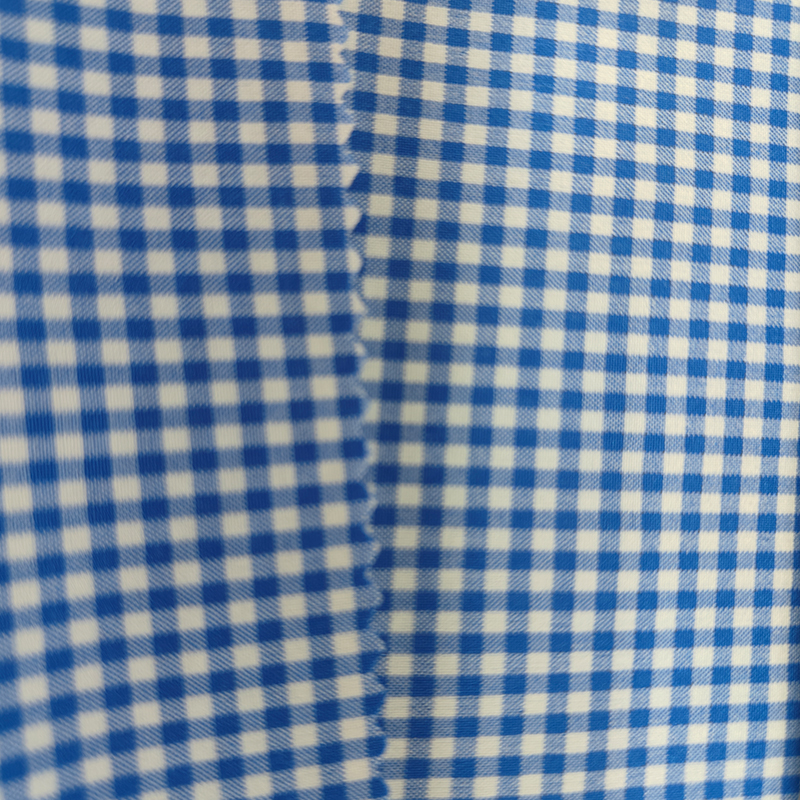 Nylon Sportswear Fabrics Manufacturers, Nylon Leisure Fabrics SupplierLANNERET Provide Nylon Sports Leisure Fabrics OEM/ODM, Custom Nylon Sportswear Fabrics Manufacturers and Nylon Four-Way Stretch Sport Lei...View Product →
Selection Guide and Practical ROI
Specifying antimicrobial fabric is a controlled test, not a marketing exercise. Use these five checks before you commit to a bulk order.
1. Define the test protocol.
Choose a standard that matches your target market and end use, such as ISO 20743 for textiles or JIS L 1902 for Japanese buyers.
2. Test after laundering.
Ask for efficacy after 10, 20, and 30 washes. A finish that fails after 10 washes may still be acceptable for disposable products, but not for outerwear.
3. Check dyeing compatibility.
Some active agents change shade, affect hand feel, or react with fluorescent whitening agents. Run a final-colour sample before bulk production.
4. Review restricted substance lists.
Confirm that the chemistry meets REACH, OEKO-TEX, and your customer’s own RSL. Triclosan-based finishes are already excluded from most programs.
5. Compare cost per garment, not cost per kg.
A cheap QAC finish that disappears after 10 washes can create warranty claims and brand damage. A more durable silver finish often saves money across the product lifecycle.
When you work with a knowledgeable fabric supplier, the review process usually starts with a clear specification and ends with a wash-durability report on the exact finished fabric.
Maintenance and Compliance
Care protocol
- Machine wash below 40°C to preserve the finish.
- Avoid chlorine bleach; it can weaken silver-based and QAC treatments.
- Skip fabric softeners, which coat the fibre and block contact with microbes.
- Prefer low-temperature tumble drying or line drying for antimicrobial garments.
Regulatory documentation
Buyers in regulated markets expect more than a material certificate. Request the active agent name, concentration, safety data sheet, test report from an accredited laboratory, and a statement that the finished fabric meets the relevant restricted substance requirements. This matters as much as the fabric’s colour and hand feel; a compliant finish is what protects the garment in the field.
At LANNERET, the same fabric can be engineered across multiple product categories, from functional outdoor clothing to everyday loungewear. Before you finalise a programme, ask for a wash-durability report, identify the active chemistry, and require a sample that matches your production colour. That is the fastest way to avoid a fabric that looks good in the lab and fails after a few washes.