English
 English
 Español
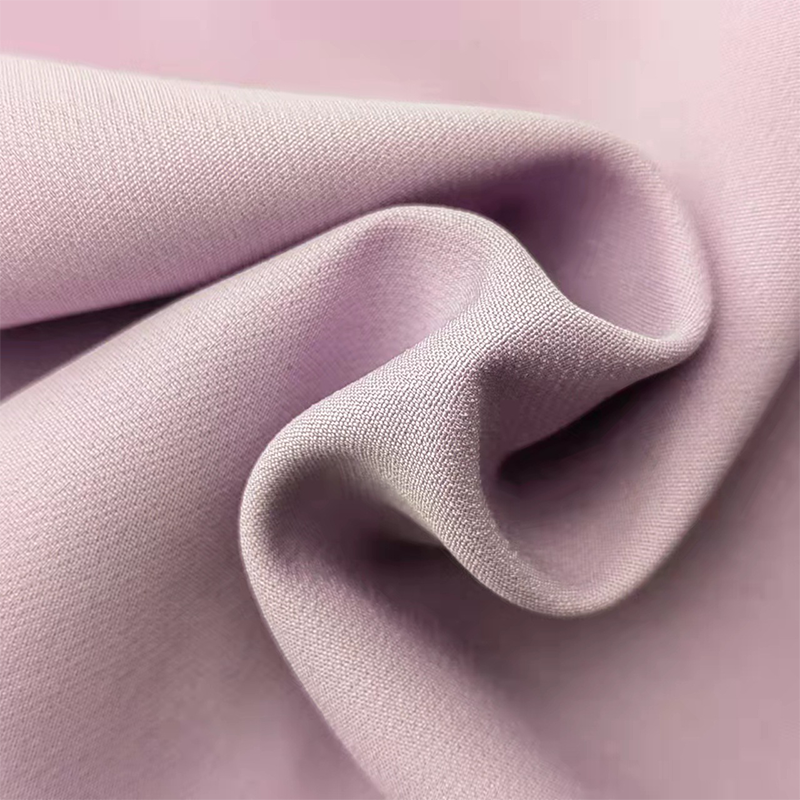

A bag that traps heat and moisture fails its user—no matter how good it looks. That's why breathable mesh fabric has become a go-to material for bag designers and product packaging teams who need performance and presentation in equal measure. The open, porous structure does something solid fabrics simply can't: it lets air move freely, pulls moisture away from contents, and keeps everything fresher for longer.
This guide covers what makes mesh fabric genuinely breathable, how to compare the two dominant material options, which performance parameters actually matter when sourcing, and where this fabric category delivers the most value in real bag and packaging applications.
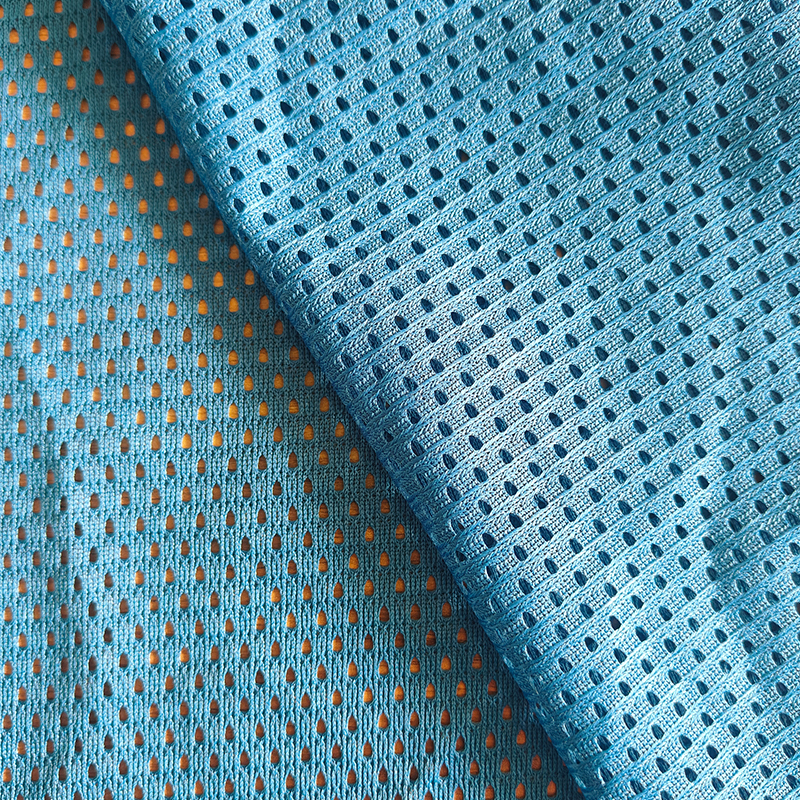
How the Open-Mesh Structure Delivers Real Breathability
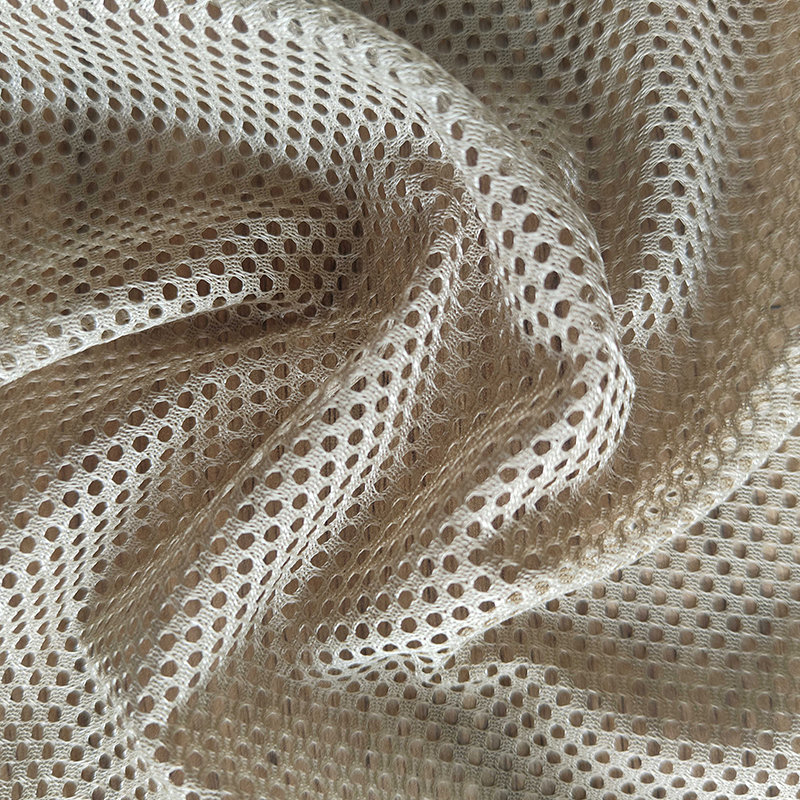
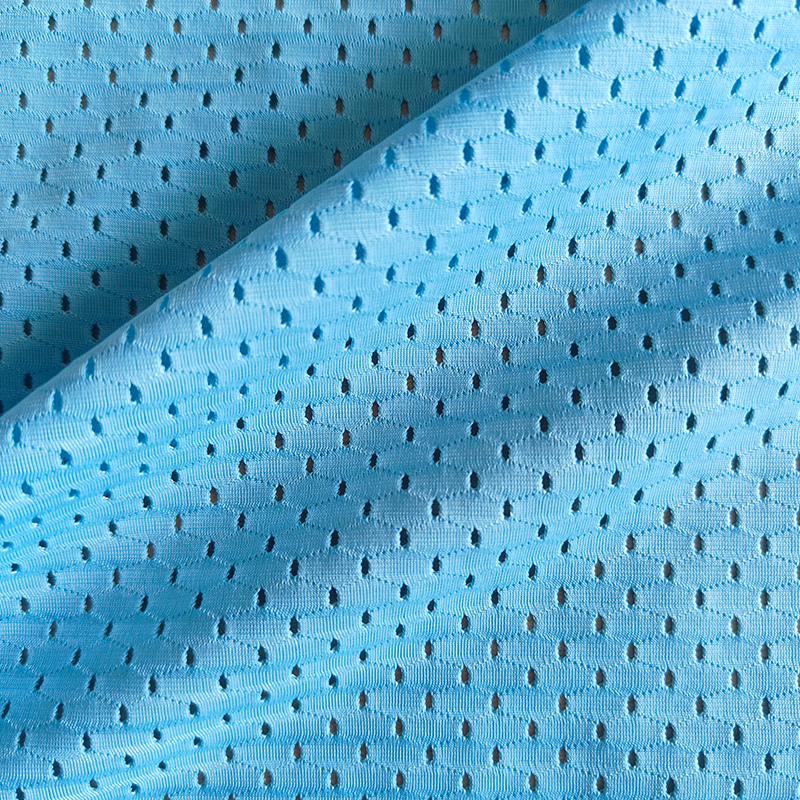
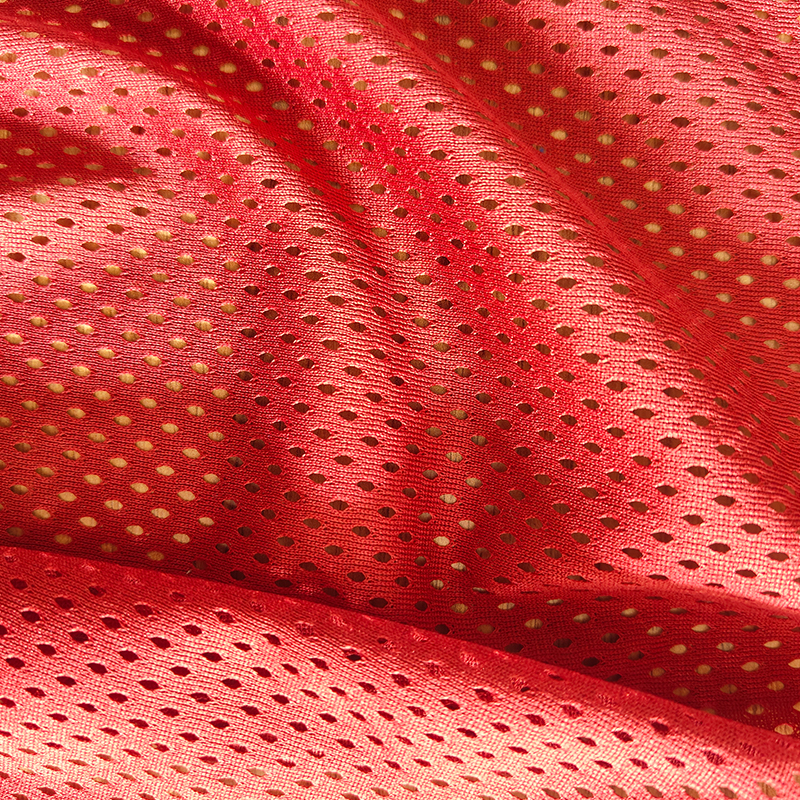
Breathability in mesh fabric is not a finish or a coating—it is a structural property built into the fabric at the construction stage. Unlike woven or knitted solids, mesh fabrics are engineered with a network of evenly spaced holes or pores that create continuous air channels through the material. This open-knit geometry allows air to pass through in both directions, preventing heat buildup and enabling rapid moisture vapor transfer.
Two mechanisms work together to deliver the breathability that makes mesh useful in demanding applications. First, air permeability: the rate at which air moves through the fabric under pressure. In textile testing, this is measured in mm/s or L/m²/s—fine mesh constructions with pore sizes around 1 mm typically achieve 150–200 mm/s airflow, while coarser mesh with 5 mm pores can exceed 500 mm/s. Second, moisture wicking: hydrophobic yarns used in most performance mesh constructions transport liquid water and vapor away from contact surfaces, accelerating drying and preventing dampness from accumulating inside bags or packaging.
The balance between pore size and yarn denier is what separates purpose-built mesh from generic open-weave fabric. Finer mesh retains more structural integrity for load-bearing applications, while coarser mesh prioritizes airflow for applications where ventilation is the primary requirement.
Nylon vs. Polyester Mesh: Which Material Fits Your Application?
Most breathable mesh fabric for bags and packaging is produced in either nylon or polyester—and the choice between them has real consequences for durability, weight, stretch behavior, and cost.
| Property | Nylon Mesh | Polyester Mesh |
|---|---|---|
| Tensile Strength | Higher (up to 50 MPa) | Good (around 40 MPa) |
| Abrasion Resistance | Excellent (20,000+ Martindale cycles) | Good (15,000 Martindale cycles) |
| Air Permeability | 200 mm/s (typical) | 300 mm/s (typical) |
| UV Stability | Moderate (degrades with prolonged exposure) | Strong (retains >90% tensile strength after 500hrs) |
| Moisture Absorption | Higher (may retain some moisture) | Very low (<0.5% by weight) |
| Cost | Higher | More economical |
Nylon mesh is the material of choice when abrasion resistance and tensile strength are the primary concerns—backpack pockets, gear organizers, and heavy-duty bag panels where repeated handling creates friction stress. Polyester mesh offers better UV stability and faster drying, making it better suited to outdoor and open-air packaging applications. For brands that need four-way stretch performance alongside breathability, explore polyester and nylon bag/packaging fabrics with four-way stretch built specifically for this use case.
Key Performance Parameters to Evaluate Before Sourcing
Breathability is a direction, not a specification. Before sourcing any mesh fabric, these four parameters give you the numbers needed to make a confident decision—and to communicate requirements clearly with a supplier.
- Gram weight (GSM): Mesh for bags typically runs between 70–200 g/m². Lighter constructions (70–120 GSM) prioritize airflow and weight savings for accessories and inner pockets; heavier constructions (150–200 GSM) add structural support for outer panels and packaging that must retain its shape.
- Pore size: Fine mesh (under 1 mm pores) delivers a cleaner, more refined surface appearance suitable for retail packaging and accessories. Coarser mesh (3–5 mm pores) maximizes ventilation for sports bags, gym gear, and produce-adjacent applications where moisture release is the primary need.
- Elasticity (2-way vs. 4-way stretch): 2-way stretch suits flat panels and structured bags; 4-way stretch is essential for contoured shapes, fitted pockets, and bag accessories that must conform to irregular contents without distortion.
- Abrasion resistance: Measured by Martindale cycles, this determines how the fabric holds up under repeated friction. Anything below 10,000 cycles is generally unsuitable for bag exteriors or high-contact areas; 15,000–20,000 cycles is the target range for everyday bag use.
For a structured overview of available fabric specifications across weight, construction, and process options, the full range of bags and packaging fabric options covers the complete product lineup by application category.
Breathable Mesh Fabric Applications in Bags and Product Packaging
Mesh earns its place in three distinct categories within the bag and packaging sector—and the performance logic differs in each.
Reusable bags: The combination of low weight, high air permeability, and abrasion resistance makes mesh a natural fit for reusable totes, market bags, and produce pouches. The porous structure eliminates condensation buildup when carrying fresh goods, extends the usable life of perishables during transit, and reduces the overall weight of the bag relative to woven alternatives.
Bag accessories and functional components: Exterior mesh pockets on backpacks and travel bags, water bottle holders, ventilated back panels, and gear loops all rely on breathable mesh to manage moisture and airflow in areas where solid fabric would trap heat. The distinctive texture of mesh also adds visual contrast and a contemporary aesthetic that differentiates bag designs at the product level.
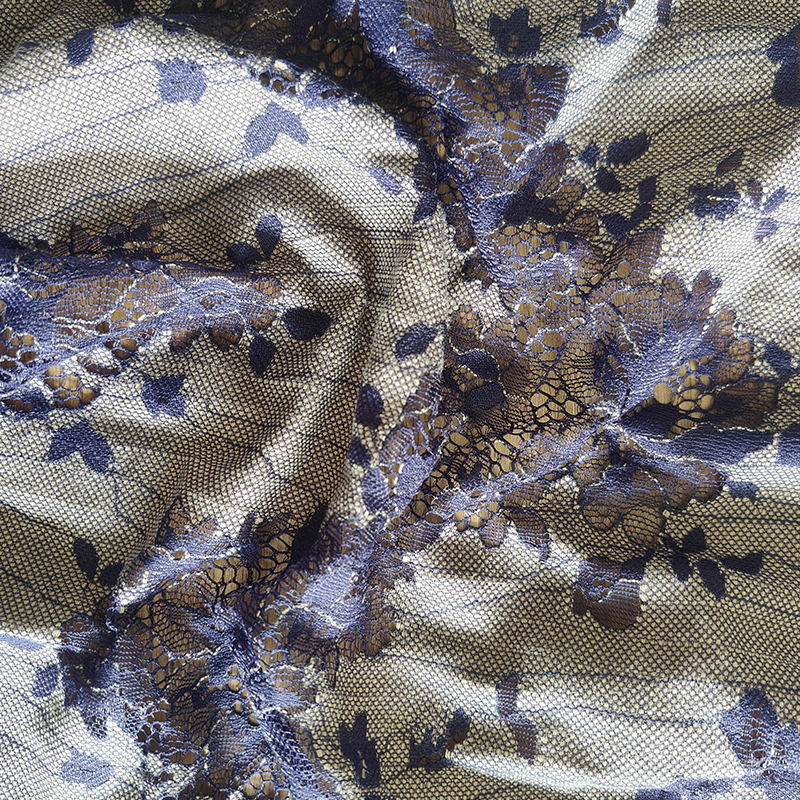
Product packaging: Transparent mesh packaging for consumer goods—particularly products where visibility, air circulation, or a premium tactile experience matters—offers advantages that opaque packaging cannot. Mesh packaging allows customers to see and assess products before purchase, communicates quality through texture, and positions brands as design-conscious. The filtration properties of mesh are equally relevant for packaging applications where contents need controlled airflow rather than hermetic sealing.
Functional Finishes That Enhance Mesh Performance
Breathable mesh fabric is a strong base material, but functional finishes extend what it can do—often significantly. The most relevant options for bag and packaging applications are:
- Waterproof and DWR (Durable Water Repellent) coatings: PU-coated mesh achieves a hydrostatic head rating of 3,000–5,000 mm, making it suitable for exterior bag panels exposed to rain. Teflon-based DWR finishes bead water off the surface without fully closing the pores—preserving breathability while adding meaningful weather resistance.
- Antibacterial treatment: Applied at the fiber or finishing stage, antibacterial finishes prevent odor-causing bacteria from developing in humid environments—particularly relevant for gym bags, sports gear pouches, and any application where the bag is in repeated contact with perspiration or organic material.
- UV protection: For outdoor or display packaging where the fabric will face extended sunlight exposure, UV-protective finishing preserves color and tensile strength over time. Polyester mesh with UV treatment retains more than 90% of its tensile strength after 500 hours of UV exposure—a meaningful specification for products used in agricultural, sports, or outdoor retail contexts.
Choosing the right finish depends on the environment where the bag or packaging will actually be used. A beach bag needs DWR and UV protection. A gym accessory pouch needs antibacterial treatment. A retail packaging mesh needs UV stability for display longevity. Matching the finish to the end-use scenario—rather than defaulting to the most comprehensive option—gives the best result in both performance and cost efficiency. For polyester-based constructions with finish compatibility built in, polyester-based bag and packaging fabric solutions offer a reliable starting point for customization.