English
 English
 Español

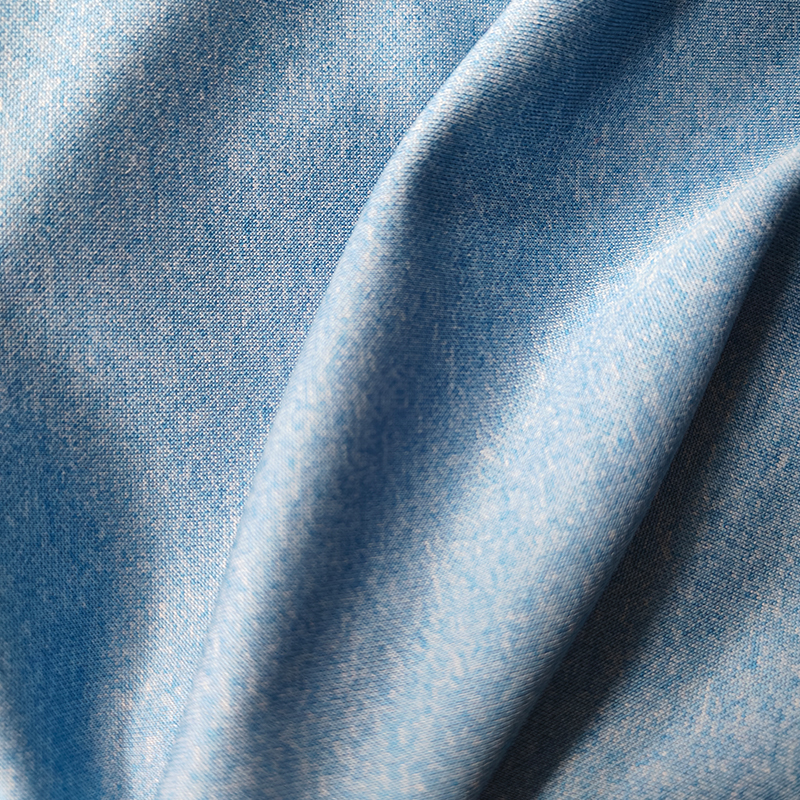
A sourcing team is sitting with a 165 gsm lyocell jersey sample, a target price under four dollars a metre, and a wash-test deadline three weeks out. The hand feel is excellent and the marketing story writes itself, so the real question is narrower than the headline: will the fabric hold its shape, resist pilling, and still make money at the landed cost the buyer has in mind?
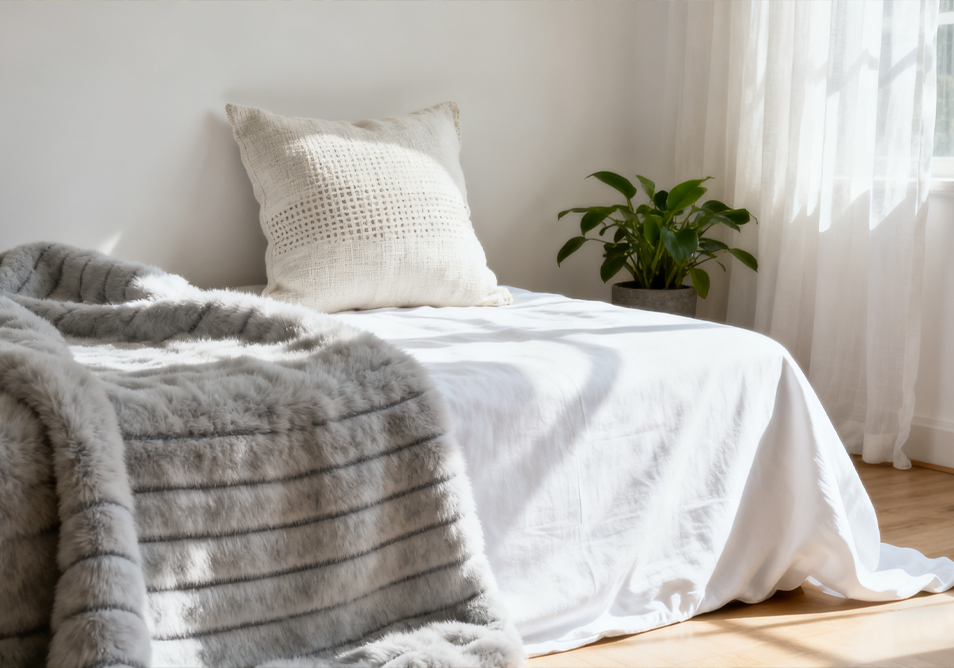
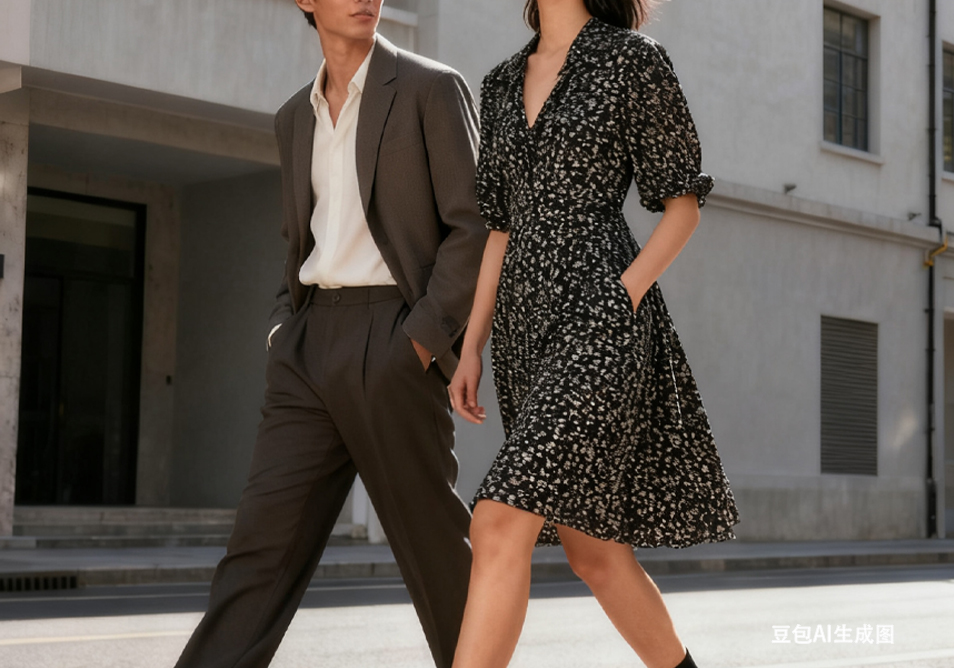
Tencel is a good fabric for skin-contact, drape-driven and moisture-sensitive products. It is a poor default for high-abrasion workwear, commodity volume basics, and any program where dimensional stability is the headline specification. Most disagreements between buyers and mills come from testing a badly built construction rather than from the fiber itself.
Short answer: specify Tencel when comfort, moisture handling and drape are the purchase criteria. Specify a synthetic or a considered blend when abrasion resistance, shape retention and landed cost are what the brief actually scores.
Three Conditions That Decide Whether Tencel Works
Before a single metre is booked, we run three checks. If a program fails two of them, the fiber choice is usually wrong regardless of how good the sample feels.
- Skin contact duration. Eight hours of continuous wear against skin is where lyocell earns its premium — smooth filament-like surface, fast moisture take-up, no clammy build-up.
- Abrasion exposure. Bags, seat panels, cuffs and hard-wearing uniforms wear through cellulosic fibers quickly. Anything above roughly 20,000 Martindale rubs at the wear point should not be pure lyocell.
- Finishing capability. Unfinished lyocell knits can shrink 6–9% in the first washes. A mill with compaction, crosslinking or enzyme finishing can pull that under 5%; a mill without it cannot.
What Tencel Actually Is, and Why the Label Matters
Lyocell is the generic fiber type; TENCEL™ is the branded version produced under a specific solvent-spinning process with certified wood pulp and solvent recovery above 99%. All TENCEL is lyocell, but not all lyocell is TENCEL — a distinction that matters both for consistency and for the environmental claims you can defend. Modal is a different fiber from the same family: softer and less prone to fibrillation, but with lower wet strength.
Strength in use
Dry tenacity typically lands at 38–42 cN/tex, well above viscose and most cotton lots. You can spin a finer yarn for the same fabric strength, which is why lyocell jersey can be light without going sheer.
Moisture regain around 11–13%
It absorbs faster than cotton and releases to air readily, so it feels cool next to skin. That same property makes pure lyocell a weak candidate for "quick dry" marketing — blends carry that claim.
Fibrillation risk
Wet abrasion lifts surface micro-hairs, which later read as pilling and dulled shade. Crosslinked or enzyme-finished lyocell largely solves this; untreated cheap lyocell does not.
Side-by-Side: Tencel Against Cotton, Polyester and Viscose
Fiber
Moisture regain
Dry tenacity (cN/tex)
Wet strength kept
Knit shrinkage, 5 washes
Fiber price index
Tencel lyocell
11–13%
38–42
~75%
3–5% (compacted)
1.6–1.9
Cotton
8–8.5%
25–35
100%+
5–8% (untreated)
1.0
Polyester
0.4–0.8%
45–55
~100%
under 1%
0.6–0.8
Viscose
12–14%
22–26
50–60%
6–9%
0.9–1.1
Indicative ranges compiled from supplier datasheets and mill trial data; real values shift with yarn count, knit structure and finishing route.
Read the last two columns together and the commercial picture appears. You are paying roughly 60–90% more per kilo than cotton for a fiber that also needs tighter process control. The wet-strength advantage over viscose is the detail that saves programs: a lyocell garment tolerates home laundering in a way a comparable viscose piece usually does not.
The Hidden Metrics: What Wash Trials Show
Lab reports rarely show a single score, so we compress them into an internal index across a comparable knit set, where 100 is best in class. Two bars explain most complaints about the fiber.
95
92
84
62
58
55
Hand feel
Moisture transport
Light fastness
Shape retention
Wet abrasion
Pilling
Shape retention and pilling are the two weak points, and both are fixable in the fabric spec rather than the fiber. Ask for pre-shrunk, compacted greige and a pilling grade of 3–4 minimum on the agreed test method. If the mill answers vaguely about fibrillation, the answer is that they have not dealt with it.
Where Tencel Volume Actually Goes
- 32% — bedding and home textiles
- 27% — men's and women's apparel
- 18% — intimates and loungewear
- 12% — denim and casual bottoms
- 11% — technical and nonwoven
This is a read of order patterns across lyocell-containing developments rather than a published market census, but the shape is consistent: home textiles absorb the most volume because drape and moisture handling matter there and abrasion is low. Apparel follows closely. Technical uses stay small because the fiber is expensive relative to what a wipe or a filter actually needs.
Cost, ROI and a Five-Step Evaluation Route
The fiber premium is real, usually 25–40% over a comparable cotton yarn once you account for blends and yield. It is partly recovered by better dye uptake, less add-on chemistry, and a genuine retail story. It is not recovered on programs priced at commodity cotton levels.
1
Bench-test the sample: shrinkage, pilling, wet abrasion, colorfastness.
2
Build the cost model on finished-metre yield, not on fiber price per kilo.
3
Run a pilot dye lot and confirm shade reproducibility across three batches.
4
Wear trial with real consumers; record pilling and shape after 20 wears.
5
Lock the spec sheet — fiber type, blend ratio, finish, tolerances — before bulk.
When Tencel Is the Wrong Choice
Two briefs come across our desk regularly where lyocell gets specified for the wrong reason. The first is activewear that needs to dry in minutes or survive abrasive panel contact — there, a polyester or nylon four-way stretch with a mechanical stretch structure outperforms any cellulosic, as we explain in our breakdown of what makes waterproof-breathable sports fabrics actually work. The second is loungewear where the brand wants the Tencel story but the target cost cannot carry it; a well-finished terry or brushed knit delivers the hand feel at a fraction of the price.
 Polyester Four-Way Stretch Sports and Leisure FabricA functional polyester/spandex knit for training and compression programs, offering four-way stretch, quick drying and customizable finishing for activewear and outdoor use.View Product →
For training and compression programs, a polyester four-way stretch holds recovery after repeated laundering and keeps its cover factor at low weights, which is exactly where pure lyocell fails.
 Terry Cloth Home Textiles and Pajama FabricSoft, breathable terry fabric for robes, sleepwear and home textiles, with pile texture and durability for repeated washing in hospitality and gifting programs.View Product →
For robe and sleepwear ranges built on texture rather than drape, a terry construction gives the surface interest and warmth buyers expect, and it tolerates the industrial washing that hospitality and gifting programs demand.
Care, Compliance and the Claims You Can Defend
- Washing. 30–40°C, gentle cycle, low agitation. Prolonged soaking encourages fibrillation; short cycles protect the surface.
- Drying and pressing. Tumble low or line dry; medium iron with steam. High heat sets creases and can dull the shade on darker dyes.
- Blend care labels. On blends, the care instruction follows the most delicate fiber, not the dominant one. Write the label for the worst-case component.
- Chain of custody. Forest certification paperwork should travel with the fiber lot; without it, an environmental claim rests on the brand name rather than on evidence.
- Biodegradability wording. If you plan to claim compostability, hold test data against a recognised standard such as EN 13432 or ISO 14855, and keep the wording specific to the conditions tested. Regulators in Europe have tightened enforcement on broad "eco-friendly" language, and generic claims are increasingly hard to defend at retail.
The practical decision rule is simple. If the garment lives against skin, needs to drape and benefits from a moisture story, Tencel is a good fabric and worth the premium — provided the mill can show you a shrinkage figure and a pilling grade you are willing to print on the tech pack. If the garment lives on a seat, a strap or a shelf, or if the retail price cannot absorb a cellulosic fiber, choose a functional synthetic or a considered blend and stop paying for a story the product cannot carry.