English
 English
 Español
A merchandiser opens a supplier email and sees a fabric described as “Tencel blend, plastic-free.” The question is reasonable: is Tencel plastic? The direct answer is no. Tencel is a brand name for lyocell and modal, both regenerated cellulose fibers made from wood pulp. They are not petrochemical polymers like polyester, nylon, or polypropylene. But the full answer matters for sourcing, labeling, and performance claims, because “not plastic” does not automatically mean “natural,” “biodegradable in every environment,” or “risk-free.”
Bottom line: Tencel is a man-made cellulosic fiber, not a synthetic plastic. The cellulose comes from wood pulp; the fiber is dissolved and regenerated. If a fabric contains elastane, polyester, nylon, or a resin coating, the blend—not the Tencel content alone—determines whether a “plastic-free” claim is defensible.
That distinction is practical, not semantic. It changes how you write a tech pack, what you test, and what you can legally say on a hangtag. It also changes how the fabric behaves in wear, washing, and end-of-life.
Why the “Plastic” Question Keeps Coming Up
Tencel sits in a family that confuses buyers because the language overlaps. It is often called rayon, a broad term for regenerated cellulose. It is also described as “man-made,” which many people hear as “synthetic.” Those are not the same thing.
- Natural fibers, such as cotton and wool, grow in a form that can be cleaned and spun.
- Regenerated cellulose fibers, such as lyocell, modal, and viscose, start with plant cellulose but are dissolved and reformed into filaments.
- Synthetic fibers, such as polyester and nylon, are polymers built from petrochemical or other feedstock.
Tencel is in the second group. The polymer backbone is cellulose, a biopolymer. It is not a thermoplastic in the same sense as polyethylene or polyester. That is why fiber-content rules usually list lyocell and modal as manufactured cellulose fibers, not as synthetic plastics.
How Lyocell Is Made—and Where the Plastic Line Falls
The production route explains both the “natural” marketing and the “chemical” criticism. The short version: wood goes in, cellulose is separated, dissolved in a solvent, spun into fiber, and the solvent is recovered.
1. Raw material
Wood pulp from eucalyptus, beech, or other sources supplies the cellulose. Forest certification is a separate question from whether the fiber is plastic.
2. Dissolving and spinning
Lyocell uses an amine-oxide solvent route; modal uses a modified viscose route. Both dissolve cellulose and regenerate it as filament fiber.
3. Solvent recovery
Lyocell’s closed-loop solvent recovery is its main environmental advantage. Recovery rates are high, but energy, water, and wood sourcing still count.
For lyocell, the solvent is typically N-methylmorpholine N-oxide, used in a closed-loop system with high recovery. For modal, the process is closer to viscose chemistry, though Tencel Modal is produced with improved recovery. Neither route creates a petrochemical plastic. Both routes use industrial chemistry, energy, and water, so environmental claims still need a wider lens.
This is also where blends get interesting. A lyocell face fabric may be backed with polyester for durability or blended with elastane for stretch. The Tencel portion is not plastic; the polyester or elastane portion is a synthetic polymer. If the brief needs stretch and recovery, a polyester four-way stretch knit can be the pragmatic partner to a lyocell face—but it changes the claim.
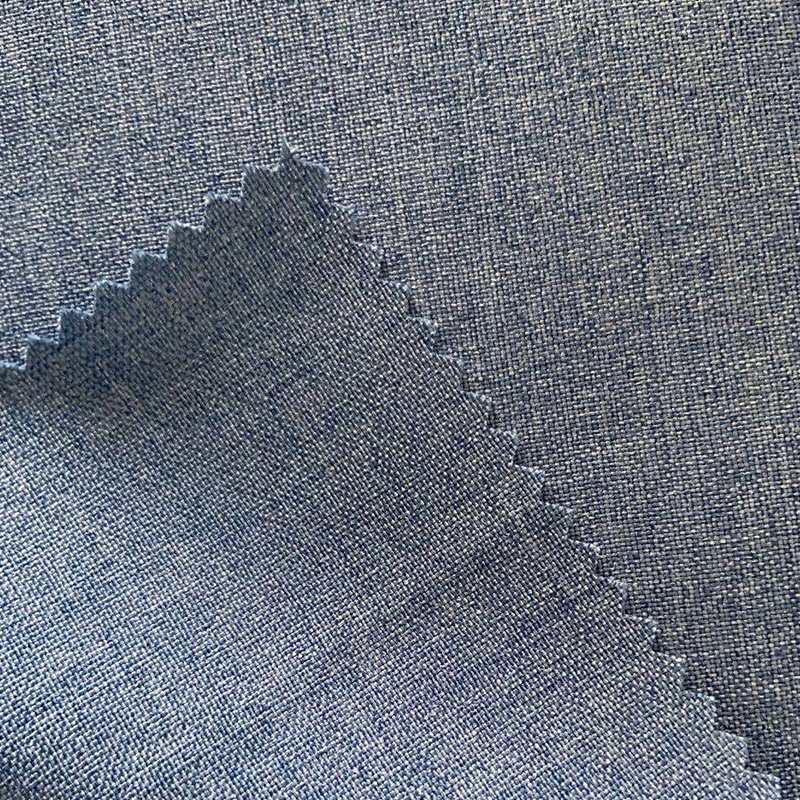 Polyester Four-Way Stretch Sports and Leisure FabricA functional polyester-based fabric with four-way stretch, quick-dry and wrinkle-resistant properties, available in multiple weights and finishes for sportswear, outerwear and workwear.View Product →
Tencel vs. Polyester vs. Cotton: What the Comparison Actually Shows
The useful comparison is not “natural versus chemical.” It is feedstock, polymer type, persistence, and end-of-life. The table below is a sourcing aid, not a product-specific life-cycle assessment.
Fiber
Origin
Polymer type
End-of-life note
Lyocell (Tencel)
Wood pulp cellulose
Regenerated biopolymer
Biodegradable in many environments, subject to certification
Modal (Tencel)
Wood pulp cellulose
Regenerated biopolymer
Similar to lyocell; process route differs
Polyester
Fossil feedstock
Synthetic polymer
Persistent; recyclable in some streams
Cotton
Plant seed hair
Natural cellulose
Biodegradable; farming impacts vary
Indicative comparison of fiber families; exact performance depends on yarn, construction, dyeing, and finishing.
The practical takeaway: lyocell and modal are closer to cotton in polymer chemistry than to polyester. They are still manufactured fibers, so “natural” should be used carefully. And they can still shed microfibers, though those fibers are generally less persistent than polyester microfibers.
The Hidden Metrics: Solvent Recovery, Carbon, and Recyclability
Buyers often stop at “cellulose” and miss the process metrics that determine whether a lyocell program is genuinely lower-impact. The chart below is an illustrative relative index, not a product-specific LCA. Higher is better.
Solvent recovery 99
Fossil-free content 95
Biodegradability 80
Recyclability 35
Solvent recovery is lyocell’s strongest story. Recyclability is its weakest link in mechanical recycling streams. That is why “sustainable” is a poor shorthand: the fiber can be a better feedstock choice while still facing end-of-life limits. For a broader view of how fiber choice affects outdoor performance, this guide to functional outdoor clothing fabrics is useful.
Where Lyocell Goes: Application Mix
Lyocell demand is not evenly spread. Apparel dominates because the fiber drapes well, absorbs moisture, and takes color cleanly. Home textiles and denim are smaller but growing outlets.
- Apparel: 52%
- Home textiles: 18%
- Denim: 10%
- Nonwovens: 8%
- Other: 12%
These shares are indicative, not a fixed market law. The sourcing implication is clearer: lyocell is usually chosen for drape, softness, moisture management, and a lower-persistence fiber profile—not for abrasion resistance or cheap bulk.
A Sourcing Sequence That Avoids Claim Risk
If the program is outdoor-led, start with the outdoor fabric range and then narrow by construction and finish. For any Tencel program, use a sequence rather than a slogan.
Step 1: Define the claim
“Plastic-free” is not the same as “fossil-free.” Decide whether you are talking about fiber origin, polymer type, biodegradability, or microfiber persistence.
Step 2: Request percentages and generic names
A “Tencel blend” could be 60% lyocell and 40% polyester. Ask for the full composition, including elastane, coatings, and trims.
Even 5% elastane changes the plastic story. For outdoor programs, a nylon four-way stretch can add abrasion resistance and recovery, but it is still a synthetic component.
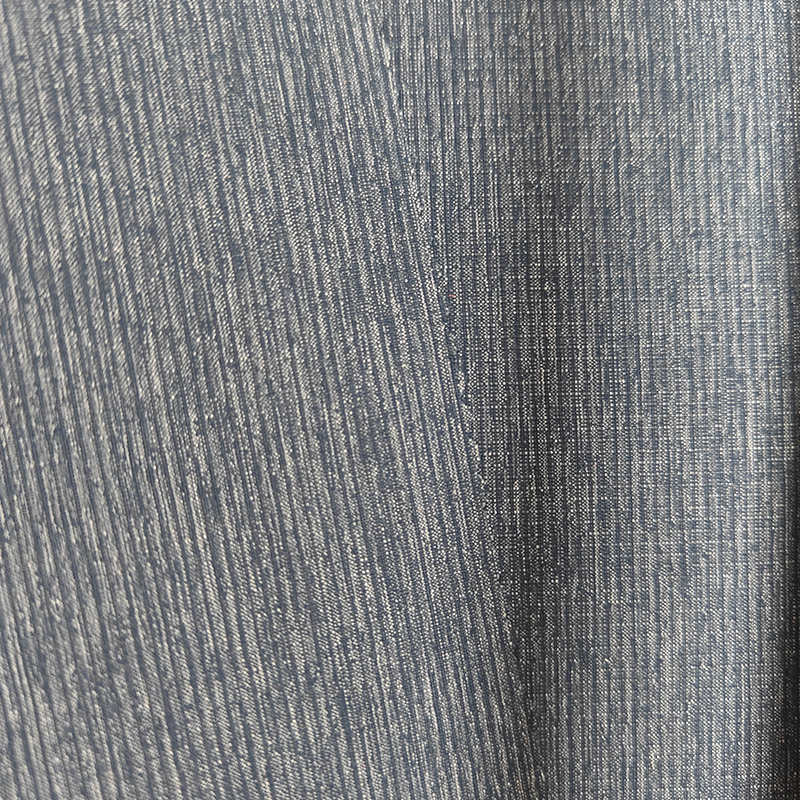 Nylon Four-Way Stretch Outdoor Fabric SeriesA flexible nylon and nylon/spandex fabric range offering four-way stretch, abrasion resistance and lightweight breathability for outdoor apparel and gear.View Product →
Step 4: Test the fabric, not the fiber story
Check shrinkage, pilling, wet strength, colorfastness, and hand feel after laundry. For ventilation zones, a mesh knit can reduce heat stress without adding weight.
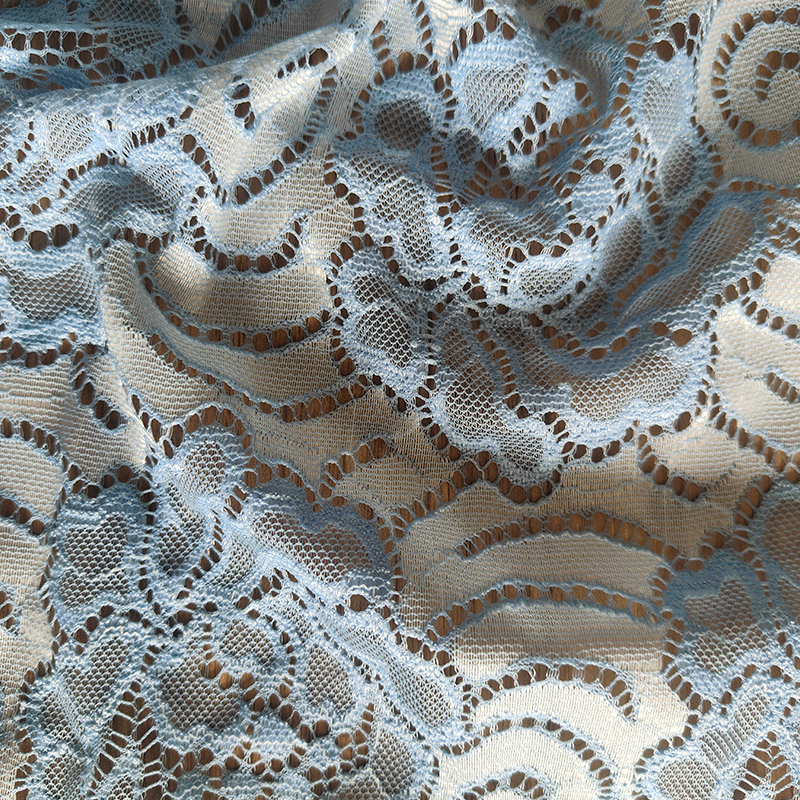 Mesh Sports and Leisure Fabric SeriesA porous mesh fabric range with breathability, moisture-wicking and moderate stretch, suited to sportswear, linings, shoe uppers and ventilation zones.View Product →
Step 5: Pilot and label
Run a small production lot, confirm care instructions, and match hangtag language to the tested substrate. Do not let a fiber certificate stand in for fabric testing.
Care, Labeling, and Compliance Notes
- Use generic fiber names on labels: lyocell or modal. “Tencel” is a trademark and should not replace the generic fiber content.
- Avoid absolute “plastic-free” claims when the fabric contains polyester, nylon, elastane, resin, or synthetic trims.
- Biodegradability claims need a specified environment and test method. “Biodegradable” alone is too broad for most markets.
- Lyocell can shrink and lose strength when wet. Recommend gentle washing, lower temperatures, and careful drying, especially for blends.
- Keep evidence for microfiber claims. Any textile can shed; washing-machine filters and test data support more credible communication.
The Practical Takeaway
Tencel is not plastic in the ordinary sense. It is a regenerated cellulose fiber, and that is a meaningful distinction for feedstock, persistence, and labeling. But sourcing decisions live in blends, finishes, and claims. Treat Tencel as a fiber family, ask for percentages, test the fabric, and write claims that match the whole substrate. That is how you get the softness and moisture management of lyocell without overstating what the fabric is.