English
 English
 Español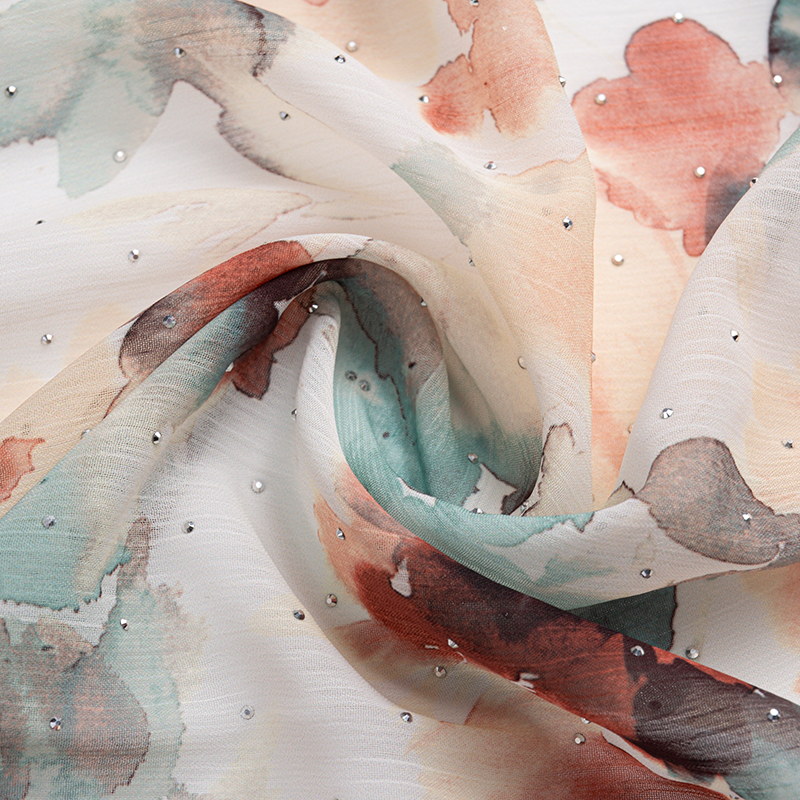
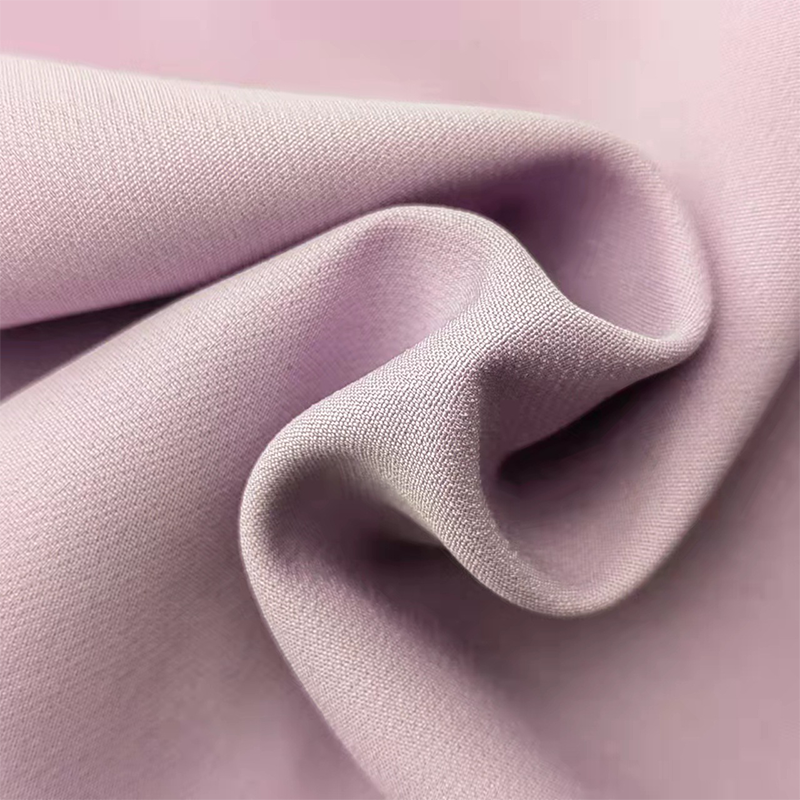
Monofilament Rayon Fabrics Deliver the Ideal Balance of Structure and Softness for Home Textiles
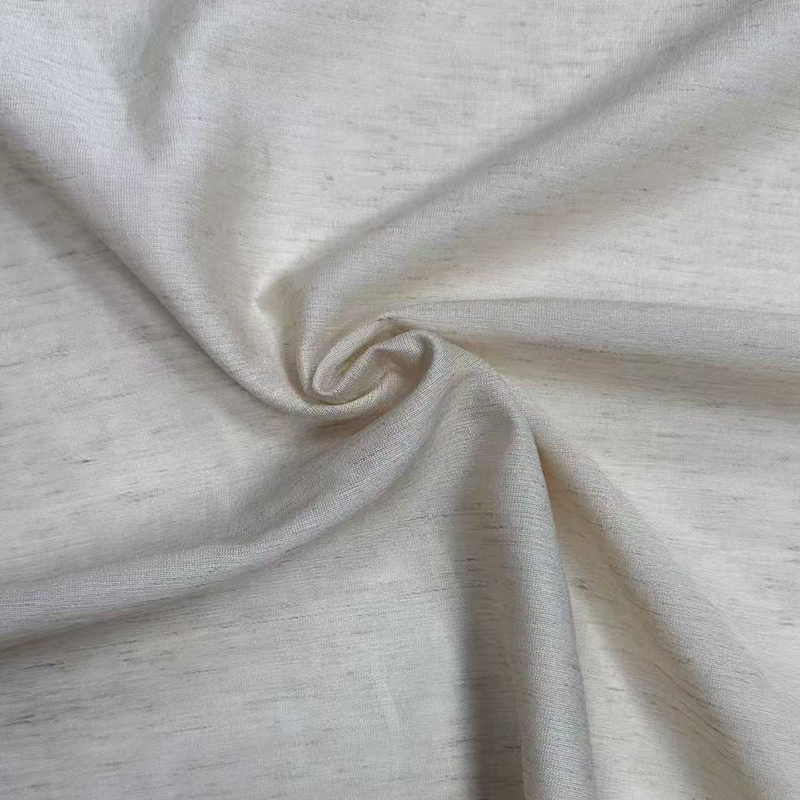
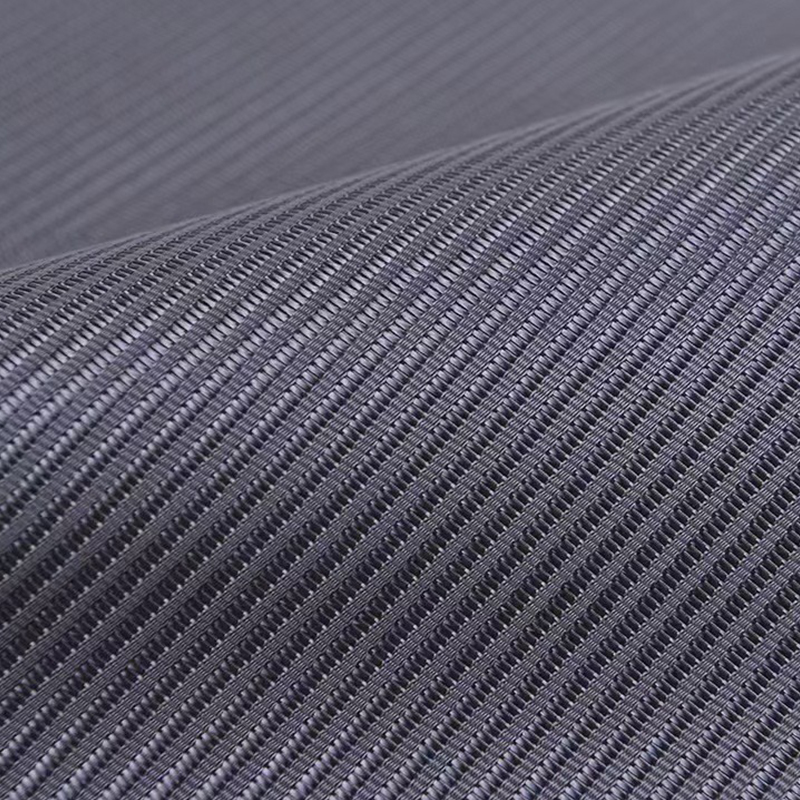
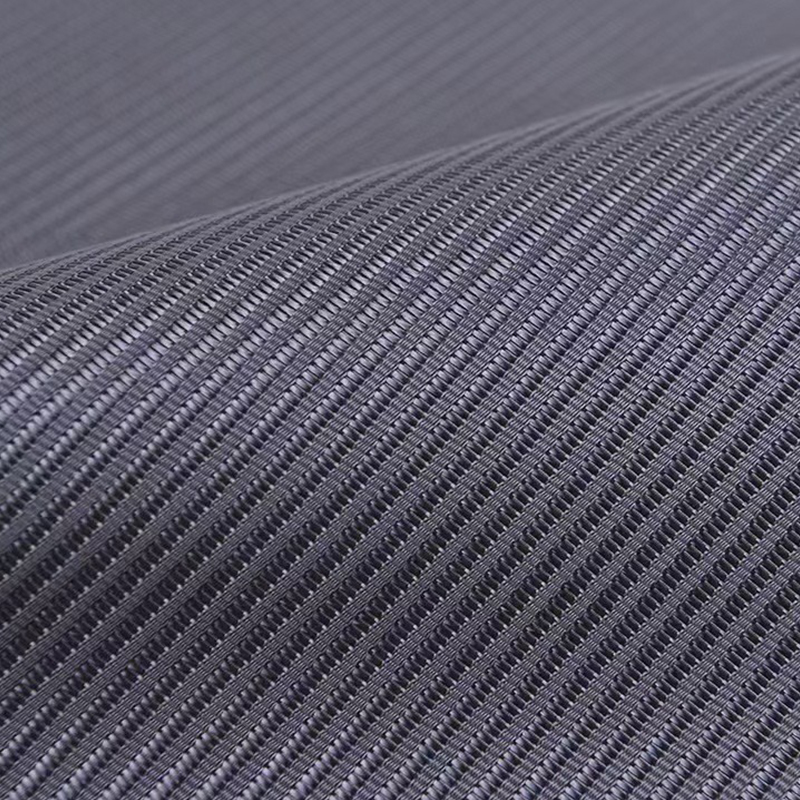
Interweaving monofilament fibers—nylon or polyester—with viscose rayon creates a textile that solves the central compromise of home textile design: how to achieve a crisp, structured hand without sacrificing the skin-friendly softness that sleepwear and bedding demand. The resulting monofilament rayon fabric delivers a crisp yet cozy touch, excellent breathability, and moisture permeability that wicks humidity away from the body during prolonged wear. Unlike pure viscose, which wrinkles severely and loses shape after washing, the monofilament reinforcement provides dimensional stability and mild wrinkle resistance. Unlike pure synthetic fabrics, which can feel clammy or static-prone, the rayon component ensures a natural, breathable surface against the skin. For pajamas, bedding sets, and loungewear, this hybrid construction offers a practical upgrade over single-fiber alternatives.
How the Monofilament-Rayon Interweave Works
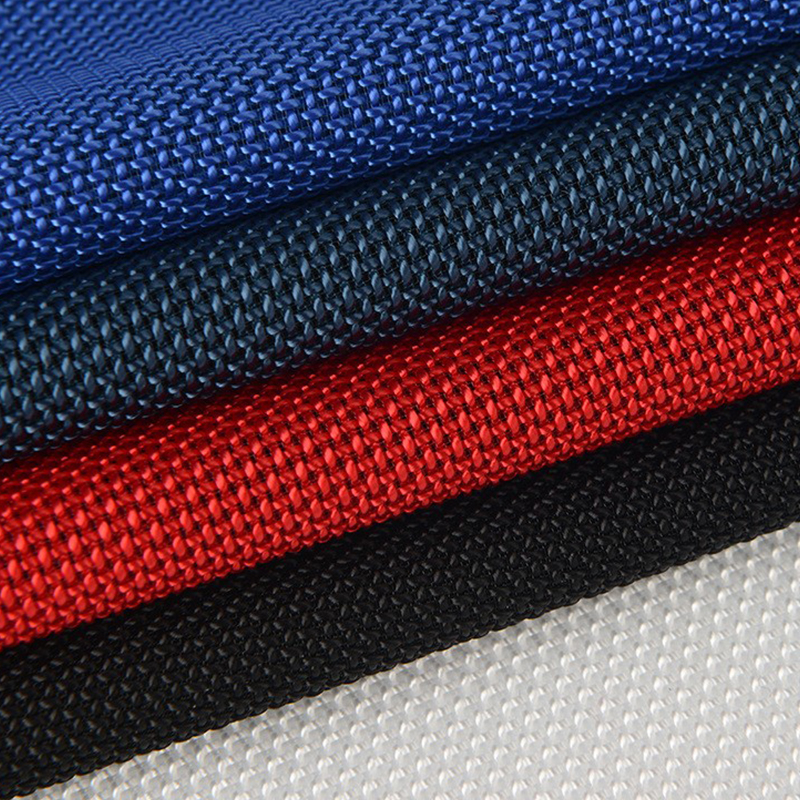
The fabric is constructed by weaving monofilament synthetic yarns in one direction—typically warp—while viscose rayon fills the other direction as weft. Monofilament nylon or polyester consists of a single, continuous filament extruded to a precise diameter, giving it high tensile strength and dimensional stability far beyond what staple fibers can achieve. Viscose rayon, derived from regenerated cellulose, contributes a moisture regain rate of 11% to 16%—significantly higher than cotton's 7% to 11%—which allows it to absorb perspiration and release it to the environment quickly.
When these two yarn systems interweave, the monofilament creates a structural skeleton that resists stretching and sagging, while the rayon filaments form a soft, absorbent surface layer. Laboratory testing shows that viscose fabric achieves air permeability values ranging from 894.77 to 1034.10 mm/s, outperforming cotton in direct airflow measurements. The monofilament component does not significantly obstruct this breathability because the single-filament structure occupies minimal cross-sectional area within the yarn bundle, leaving ample inter-yarn space for air and moisture vapor to pass through.
Structural Benefits of the Hybrid Construction
- The monofilament warp provides abrasion resistance where bedding and pajamas experience the most friction—shoulder seams, pillow contact zones, and seat areas.
- Rayon weft creates a moisture-wicking pathway through capillary action between fibers, drawing humidity from the skin outward.
- The interlaced structure prevents the "wet cling" associated with pure viscose, because the synthetic monofilament maintains its rigidity even when the rayon component is moisture-saturated.
- Fabric weight can be tuned from 80 to 150 grams per square meter depending on monofilament denier and reed density, making the material suitable for both lightweight summer pajamas and heavier winter bedding.
Breathability and Moisture Management in Sleep Environments
Sleep quality is directly linked to thermoregulation. The human body loses approximately 300 to 500 milliliters of moisture through insensible perspiration during an eight-hour sleep cycle. If bedding or sleepwear traps this humidity against the skin, core temperature rises, sleep stages fragment, and comfort degrades. Monofilament rayon fabrics address this through a dual mechanism: the rayon component absorbs liquid moisture into the fiber structure, while the monofilament scaffold maintains an open fabric geometry that allows water vapor to escape to the ambient air.
In comparative testing, viscose-based fabrics demonstrate moisture regain rates that exceed cotton by up to 45%, meaning they can hold more perspiration before feeling damp. The critical difference in monofilament rayon is that the synthetic reinforcement prevents the fabric from collapsing or sticking to the skin when saturated. This structural integrity ensures that even during humid nights or for individuals who sleep warm, the fabric continues to provide a dry microclimate at the skin surface. The result is a textile that performs in the exact conditions where pure cotton becomes clingy and pure synthetics become occlusive.
| Fiber | Moisture Regain (%) | Air Permeability (mm/s) | Wet Cling Tendency |
|---|---|---|---|
| Viscose Rayon | 11–16 | 894–1034 | High |
| Cotton | 7–11 | Lower than viscose | Moderate |
| Polyester | 0.4–0.8 | Variable | Low |
| Monofilament Rayon | 8–12 (blended) | 700–950 | Low |
Easy-Care Durability for Daily Home Textile Use
Home textiles and sleepwear face a punishing maintenance cycle: weekly washing, machine agitation, spin cycles, and tumble drying or line drying under varying conditions. Pure viscose is notorious for shrinking, wrinkling, and weakening when wet. The monofilament reinforcement in this fabric series changes that equation fundamentally. Nylon monofilament possesses exceptional abrasion resistance and tensile strength, while polyester monofilament offers dimensional stability and resistance to stretching under load. When locked into a woven structure with rayon, these synthetic filaments anchor the fabric, preventing the dimensional distortion that ruins most viscose garments after a few washes.
The fabric exhibits mild wrinkle resistance because the monofilament yarns act as memory springs within the weave, encouraging the rayon fibers to return to their woven position after crumpling. It is not fully wrinkle-free—that would require a higher synthetic percentage, which would compromise the skin-friendly hand feel—but it recovers sufficiently to look presentable after line drying without ironing. For bedding, this means fitted sheets that stay taut on the mattress and duvet covers that drape smoothly without the creased appearance typical of all-cotton or all-viscose constructions after washing.
Care Guidelines That Preserve Performance
- Wash in cold to warm water (30°C maximum) to protect the rayon component from excessive swelling and potential fiber damage.
- Use a gentle cycle to minimize mechanical stress on the monofilament-rayon interlace.
- Tumble dry on low heat or line dry; the monofilament structure resists heat set distortion better than spandex blends, but high temperatures can still yellow the rayon over time.
- Avoid bleach and harsh enzymatic detergents, which can degrade the cellulose-based rayon fibers even though the synthetic monofilament would survive.
Aesthetic Versatility: Natural Luster and Decorative Finishing
Beyond performance, home textiles must satisfy visual and tactile expectations. Monofilament rayon fabrics carry a subtle natural luster derived from the smooth surface of both the monofilament synthetic and the regenerated cellulose rayon. This sheen is quieter than the high gloss of satin weaves but more refined than the matte flatness of standard cotton percale. It reads as premium without appearing ostentatious, making it suitable for both minimalist bedroom aesthetics and more traditional decorative schemes.
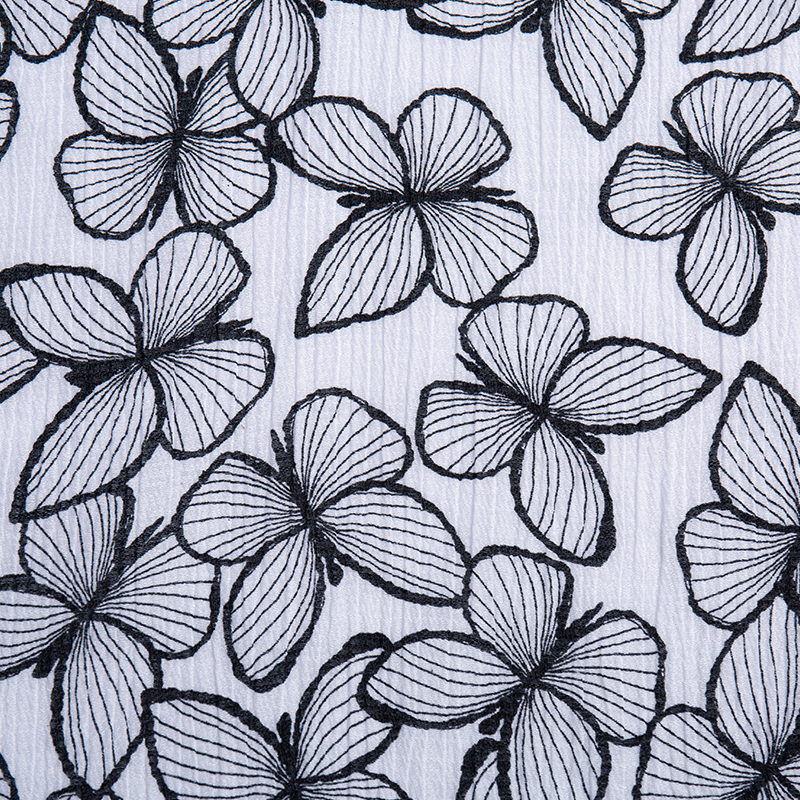
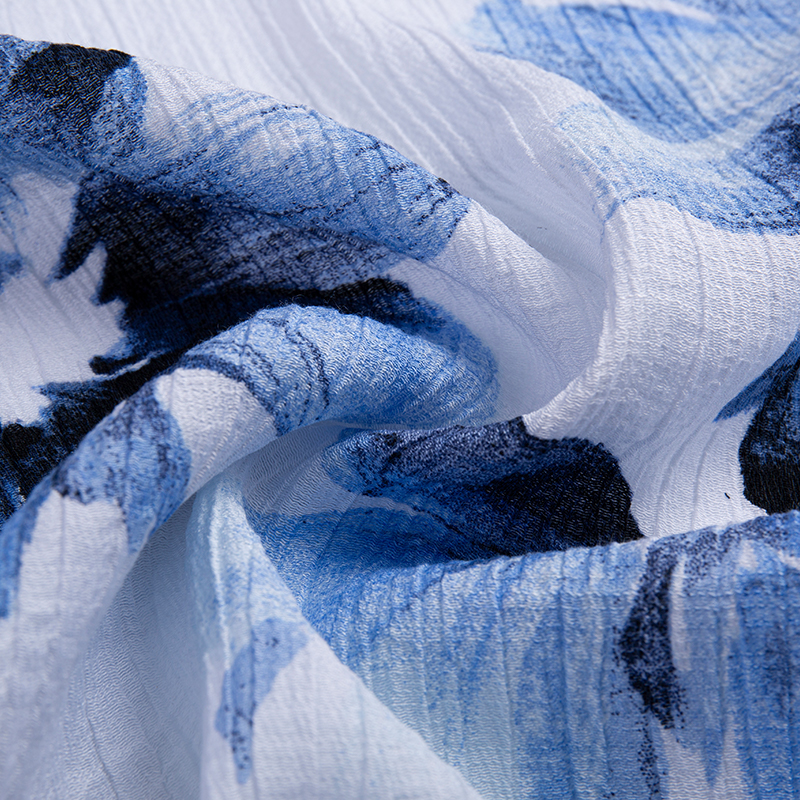
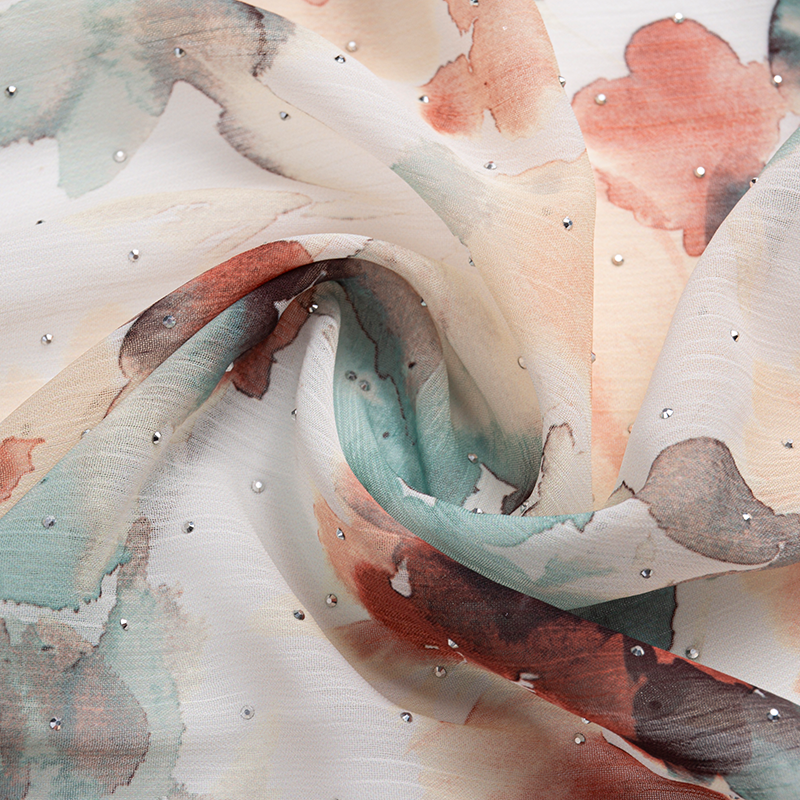
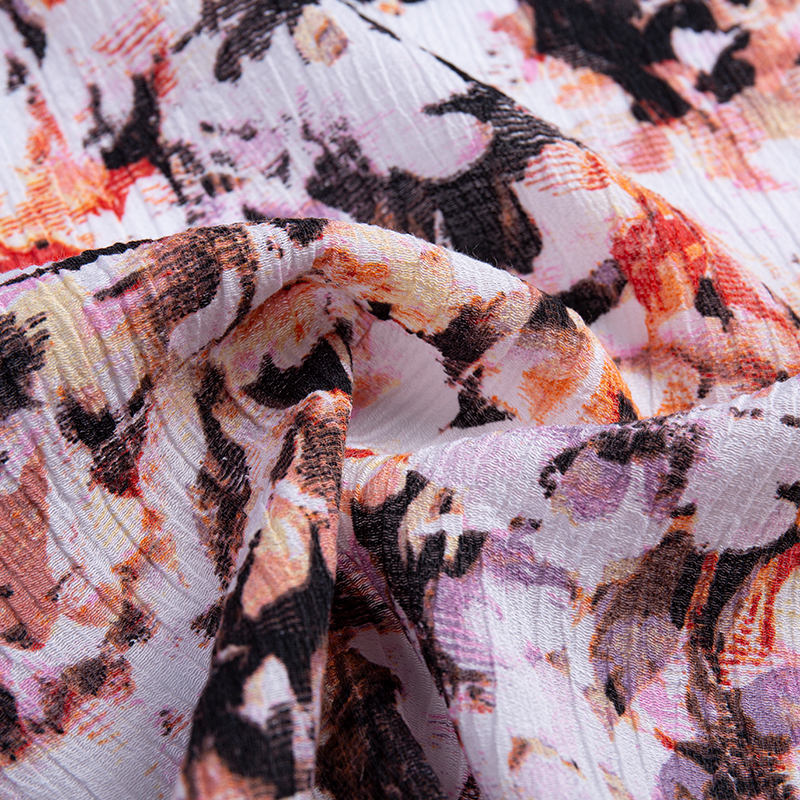
The fabric's construction supports a wide range of finishing processes. Jacquard weaving can raise geometric or floral patterns directly into the cloth by varying the monofilament and rayon interlacement. Digital and rotary printing achieve sharp color definition because the smooth filament surfaces accept dye uniformly without the blotting that occurs on fuzzy staple-fiber fabrics. Embroidery holds well because the monofilament ground provides a stable foundation that resists puckering around dense stitchwork. For manufacturers, this means a single base fabric can be transformed into dozens of distinct product lines—printed pajama sets, jacquard duvet covers, embroidered pillowcases—without changing the underlying textile specification.
Applications Across Pajamas, Bedding, and Home Textile Categories
The monofilament rayon series is specified across the full range of home textile products where comfort, durability, and appearance converge. In pajamas and loungewear, the fabric's breathability and moisture management prevent the overheating that disrupts sleep, while the easy-care properties withstand the frequent washing that sleepwear requires. In bedding sets, the crisp hand provides a smooth, cool surface against the skin, and the dimensional stability ensures fitted sheets maintain their elastic grip and flat sheets resist the creeping displacement that occurs with more slippery pure synthetics.
The fabric also performs well in curtains and decorative panels, where the monofilament warp provides the structural integrity needed for long vertical drops without stretching, and the rayon weft contributes a soft drape that falls naturally rather than hanging stiffly. For table linens and lightweight throws, the abrasion resistance of the monofilament component protects against the friction of daily use, while the rayon surface maintains the absorbent, skin-friendly qualities that make these items pleasant to touch. Across every application, the core value proposition remains consistent: a textile that behaves better in use and lasts longer in care than either of its component fibers could achieve alone.
Conclusion: A Fabric Engineered for Real Home Life
Monofilament rayon home textiles fabrics represent a deliberate engineering response to the failures of single-fiber materials in domestic environments. Pure viscose is too fragile and too wrinkle-prone for the demands of daily sleepwear and bedding. Pure synthetics are too occlusive and too synthetic-feeling for prolonged skin contact. By interweaving monofilament nylon or polyester with viscose rayon, this fabric series achieves a genuine synthesis: the crisp structure and durability of synthetic filament, combined with the breathable, moisture-managing, skin-friendly character of regenerated cellulose. It is easy to care for, versatile to decorate, and comfortable to live with. For consumers who have accepted compromised performance as the price of softness, this hybrid construction offers a better standard.