English
 English
 Español
Durability and Shaping Are Two Different Properties
Buyers often lump durability and shape retention together under a single word like "quality," but they come from different parts of a fabric's construction. Durability is about how well a fabric resists wear over time: abrasion, tearing, repeated flexing, exposure to sun and moisture. Shaping is about structure: how well a fabric holds a molded form, resists sagging, and returns to shape after being compressed or stretched.
A fabric can score high on one and low on the other. A thin, tightly woven nylon might resist abrasion well but collapse into a floppy shape without internal support. A heavily coated fabric might hold a rigid form but crack or delaminate after a season of daily use. Getting both right requires looking at fiber choice, knit structure, and finishing as three separate decisions rather than one.
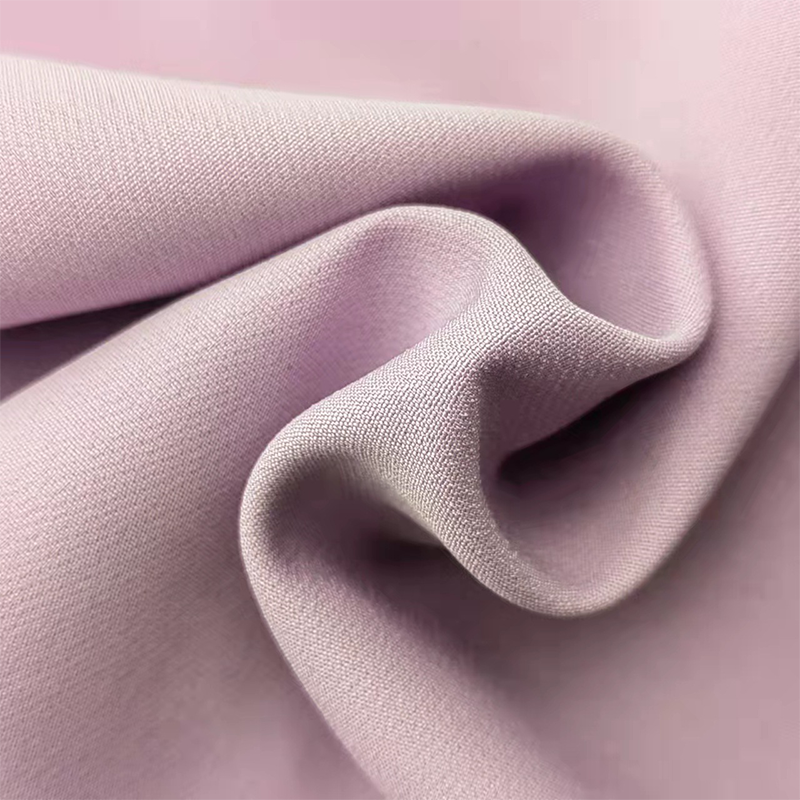
What Drives Durability in Knitted Bag Fabrics
For knitted nylon and polyester fabrics used in bags and packaging, durability starts with fiber selection and denier. Higher denier yarns generally mean thicker, stronger individual threads, which translates into better resistance to punctures and abrasion. But denier alone doesn't tell the whole story — yarn twist, knit density, and fiber type all interact to determine how a fabric performs under repeated stress.
Nylon tends to outperform polyester on tensile strength and abrasion resistance, which is why it dominates applications like tool bags, travel gear, and load-bearing straps. Polyester holds up better against UV degradation and color fading, making it a common choice where a bag will see extended outdoor exposure. Blended constructions split the difference, often at a lower cost than pure nylon.
| Factor | Nylon | Polyester |
|---|---|---|
| Abrasion resistance | Excellent | Good |
| UV / color stability | Moderate | Excellent |
| Tensile strength | Excellent | Good |
| Cost | Higher | Lower |
What Drives Shape Retention
Shape retention comes primarily from knit or weave structure, not fiber choice alone. Warp knits tend to hold a crisper, more stable form than weft or Raschel knits, which have more inherent stretch and drape. Tighter loop density resists distortion under load, which matters for structured bag panels that need to hold their form when packed.
Heat-setting during finishing plays a major role here as well. Properly heat-set fabric locks the knit structure in place, reducing the chance that a panel will stretch out of shape after repeated use. Fabrics that skip this step, or where heat-setting is done inconsistently, tend to develop permanent sag over time even if the base fiber is strong.
Four-Way Stretch: Balancing Flexibility and Structure
Four-way stretch fabrics sit at an interesting intersection of durability and shaping. Because they stretch in both the horizontal and vertical directions, they can accommodate irregular loads and body movement without seams pulling apart, which is a durability advantage. At the same time, the elastane or spandex content that gives a fabric its stretch also needs to recover fully after each stretch cycle, or the fabric loses its shape over repeated use.
Recovery percentage is the metric worth asking suppliers about directly. A fabric that stretches well but recovers poorly will look stretched-out and baggy within weeks of regular use, even if it never actually tears. Good four-way stretch constructions balance a moderate elastane percentage with a tight base knit, giving flexibility without sacrificing long-term shape.
Finishing Treatments That Reinforce Both
Finishing is where durability and shaping most directly overlap. A polyurethane or acrylic coating adds body and structure to an otherwise soft knit, effectively doing double duty: it stiffens the fabric for better shape retention while also creating a barrier against moisture and abrasion.
Durable water repellent (DWR) finishes protect against surface wetting without adding significant stiffness, which suits applications where flexibility matters more than rigid structure. UV-stabilizing treatments slow the breakdown of fiber strength from sun exposure, extending the useful life of fabrics used in outdoor bags and packaging. Antibacterial and flame-retardant finishes address specific end-use requirements but generally don't affect durability or shape on their own.
Matching Fabric Choice to Application
The right combination of durability and shaping depends heavily on what the fabric is being used for.
- Structured tote and packaging bags: tighter warp knits with a light coating for shape retention under moderate load
- Four-way stretch travel and sport bags: nylon/spandex blends with high recovery percentage to handle irregular packing
- Outdoor and workwear-adjacent gear: UV-stabilized polyester or nylon blends for extended sun exposure
- Reinforced industrial packaging: higher denier nylon with abrasion-resistant coating for repeated handling
Matching fabric to end use up front avoids the common mistake of over-specifying — paying for heavy-duty abrasion resistance in a product that mostly needs shape retention, or vice versa.
Questions to Ask Before Choosing a Fabric Supplier
Before committing to a fabric for a new bag or packaging line, a few direct questions can save costly reworks later.
- What is the denier and fiber composition, and how does it compare to the load the finished product will carry?
- Is the fabric heat-set, and what is the documented shrinkage or distortion rate after washing or repeated flexing?
- For stretch fabrics, what is the recovery percentage after repeated stretch cycles?
- What coating or finishing treatments are applied, and how do they affect hand feel and flexibility?
- Can the supplier provide sample rolls for real-world stress testing before a bulk order is placed?
Suppliers who can answer these clearly, with test data rather than general marketing claims, are usually the ones capable of maintaining consistency across large production runs.