English
 English
 Español
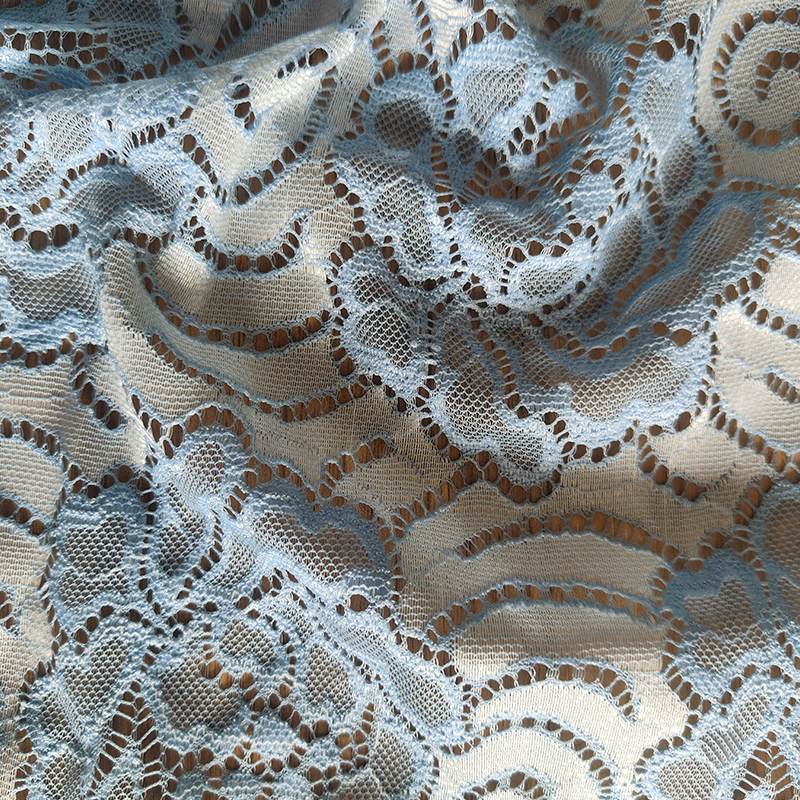
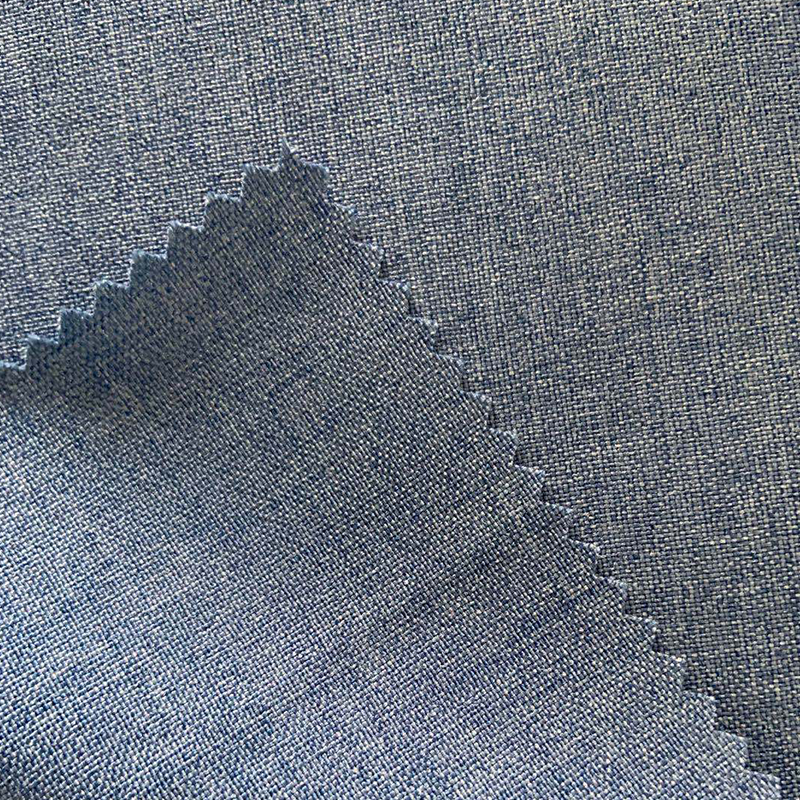
Nylon fabric succeeds or fails in an application based on how it handles moisture, abrasion, and ultraviolet light. The fiber's polyamide chemistry gives it exceptional tensile strength and elasticity, but its performance hinges on the specific type—Nylon 6 or Nylon 6,6—and the denier, weave, and finish applied. A 1000-denier Cordura nylon will outlast a lightweight 70-denier ripstop by a factor of five in abrasive conditions, yet neither will survive prolonged sun exposure without a UV-stabilizing treatment. Selecting nylon means matching these variables to the real mechanical and environmental demands the fabric will face, not simply picking a weight that feels substantial.
Nylon 6 Versus Nylon 6,6 at the Fiber Level
The distinction between Nylon 6 and Nylon 6,6 originates in the polymerization route. Nylon 6,6 forms from hexamethylene diamine and adipic acid, yielding a more crystalline structure with a melting point around 265°C. Nylon 6, polymerized from caprolactam, melts at roughly 220°C. This 45°C difference matters in fabrics exposed to high heat—webbing near engine components or industrial filter cloths—where Nylon 6,6 retains strength closer to its maximum operating temperature. The tighter molecular packing of Nylon 6,6 also gives it roughly 10–15% higher tenacity at the same denier, translating directly into greater tear resistance in finished fabric.
For the vast majority of apparel, luggage, and outdoor gear applications, Nylon 6 performs indistinguishably from Nylon 6,6 in day-to-day use. Its lower processing temperature makes it more economical to extrude and draw, and its slightly higher dye uptake produces deeper, more saturated colors with less dyestuff. The practical selection rule: specify Nylon 6,6 for continuous service above 120°C or for maximum strength-to-weight ratio, and Nylon 6 for general textile applications where cost and color vibrancy take priority.
Denier, Tenacity, and the Strength-Weight Equation
Denier measures the mass in grams of 9,000 meters of a single filament. It is a linear density, not a direct strength specification, but it correlates strongly with fabric robustness because higher denier yarns contain more polyamide cross-section to resist tearing. A fabric woven from 1000-denier yarns typically exhibits tear strengths above 150 N in the warp direction, while a 70-denier fabric tears at around 15–20 N. The relationship is not perfectly linear because weave density and filament count also contribute—a tightly woven 500-denier Oxford fabric can outperform a loosely woven 840-denier plain weave in puncture resistance.
Tenacity, expressed in grams per denier, normalizes strength against fiber thickness. Standard Nylon 6,6 textile filament achieves tenacity values of 7–9 g/denier, meaning a single 10-denier filament breaks at 70–90 grams force. High-tenacity variants reach 9–10 g/denier, adding roughly 20% more strength without increasing weight. This specification matters most in ultralight gear where every gram counts—a tent floor made from 30-denier high-tenacity nylon ripstop can match the tear resistance of a standard 40-denier fabric while saving 25% in fabric weight.
| Denier | Typical Weave | Tear Strength (N) | Common Application |
|---|---|---|---|
| 70D | Ripstop / Taffeta | 15–20 | Ultralight jacket shell, sleeping bag liner |
| 210D | Oxford / Plain | 35–50 | Daypack body, lining fabric |
| 500D | Oxford / Basket | 80–110 | Heavy backpack, tool pouch |
| 1000D | Cordura / Plain | 150–200 | Military gear, luggage, motorcycle apparel |
Water Absorption and Dimensional Stability
Nylon absorbs moisture from the air and from direct wetting, and this absorption changes its mechanical properties and dimensions. At 65% relative humidity, Nylon 6 reaches an equilibrium moisture content of 3.5–4.0%, while Nylon 6,6 sits slightly lower at 2.5–3.0%. When fully saturated from immersion, both types absorb 8–9% water by weight. This swelling increases fabric width and length by up to 2%, a dimensional shift that can bind zippers or distort seam lines in tightly fitted assemblies if not accommodated during pattern making.
The absorbed water also plasticizes the polymer, reducing its glass transition temperature and making the fabric noticeably softer and more pliable when wet. Tensile strength drops by 10–15% in the saturated state, recovering fully upon drying. This property has practical implications: nylon climbing ropes lose some load capacity when wet, and nylon packcloth sags under load in heavy rain unless stabilized with a urethane coating on one side. Specifying a coated fabric with a hydrostatic head rating above 1,500 mm prevents water from penetrating the weave and saturating the fibers in the first place.
UV Degradation and Outdoor Durability
Unstabilized nylon fabric degrades rapidly under sunlight. The amide bond in the polymer backbone absorbs ultraviolet radiation in the 290–315 nm range, leading to chain scission and a progressive loss of tensile strength. Testing shows that standard Nylon 6,6 fabric exposed to 1,000 hours of accelerated UV weathering loses 40–60% of its original breaking strength. Black and dark-colored fabrics fare somewhat better because carbon black pigment acts as a UV absorber, but the degradation still proceeds at an unacceptable rate for outdoor products expected to last multiple seasons.
UV stabilizer packages, typically hindered amine light stabilizers added at 0.5–2.0% by weight during fiber extrusion, extend outdoor service life dramatically. A stabilized nylon fabric retains over 80% of its strength after the same 1,000-hour exposure. For critical applications like awnings, marine covers, and outdoor furniture slings, specifying a UV-stabilized grade with documented accelerated weathering test results is mandatory. Solution-dyed fibers, where pigment is incorporated into the polymer melt rather than applied topically, provide an additional layer of UV protection because the pigment particles scatter and absorb UV photons before they reach the polymer chains.
Coatings, Laminates, and Functional Finishes
Uncoated nylon fabric offers zero resistance to liquid water penetration and only modest wind resistance. A polyurethane coating applied to the fabric backside at 5–15 g/m² adds waterproofness while maintaining the fabric's hand feel. The coating thickness, measured in mils or grams per square meter, directly determines hydrostatic resistance: a 5 g/m² PU coat achieves roughly 600 mm, while a 15 g/m² application reaches 2,000 mm or higher. Multiple-pass coating processes build thickness without pinholes, critical for waterproof-breathable laminates where a microporous PTFE or hydrophilic PU membrane is bonded between the face fabric and a tricot backer.
Silicone-impregnated nylon ripstop, used extensively in ultralight tarps and tent flies, trades breathability for the highest strength-to-weight ratio of any coated nylon. The silicone elastomer fills the weave interstices and bonds to the fiber surfaces, increasing tear strength by 15–25% over uncoated fabric while adding only 5–8 g/m² in coating weight. Dual-side silicone coatings achieve hydrostatic heads exceeding 2,000 mm on fabrics as light as 20 denier, though seam taping is impossible with silicone surfaces—seams must be sealed with liquid silicone adhesive applied manually.
Selecting the Right Weave for the End Use
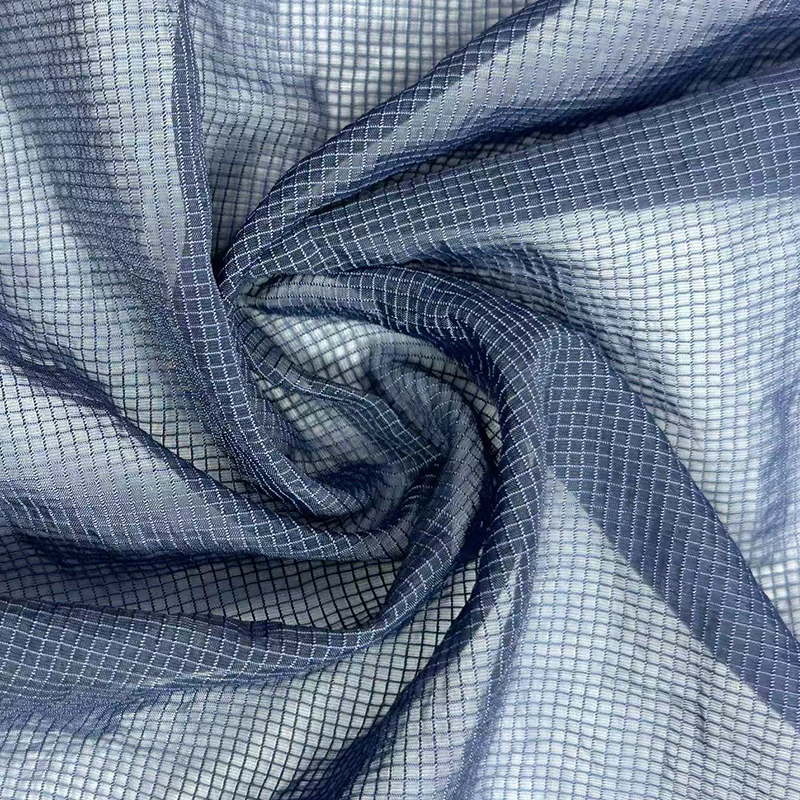
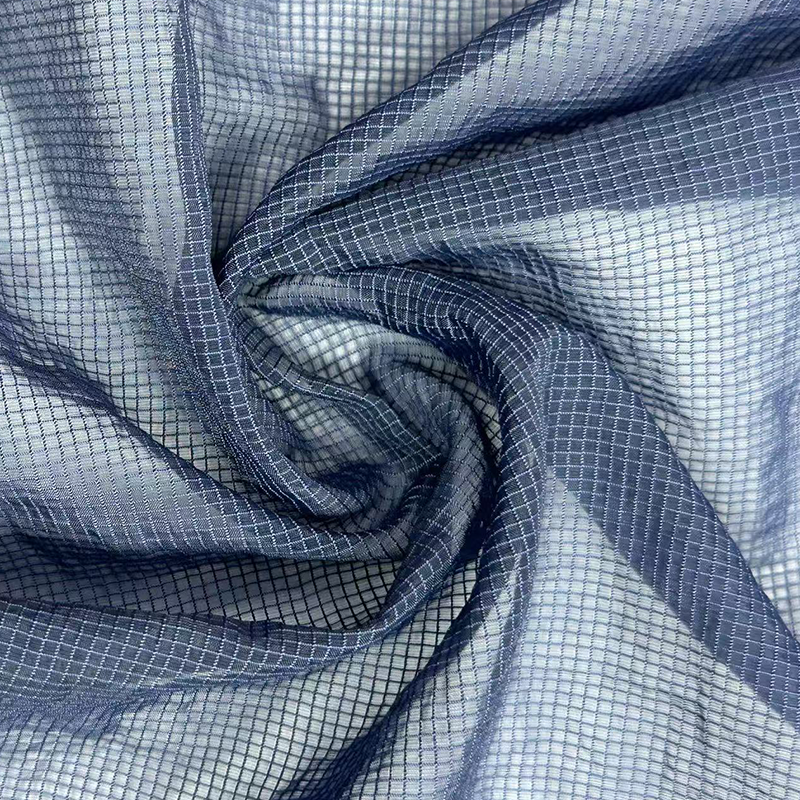
Plain weaves produce the smoothest surface with the highest thread count per inch, maximizing down-proofness and wind resistance. Their tight construction also minimizes snagging on abrasive surfaces. The trade-off is lower tear strength per unit weight, because a tear propagates easily along the straight yarn paths. Ripstop nylon addresses this by interweaving heavier reinforcement yarns at 5–8 mm intervals in a grid pattern, creating a structure where tears stop when they hit a thicker cross-thread. A 40-denier ripstop fabric resists tear propagation three to four times better than an equivalent plain weave of the same base denier.
Oxford weaves, with their characteristic basket-weave pattern of two warp ends alternating with two weft picks, provide a bulkier, more abrasion-resistant surface at the cost of weight and bulk. The floating yarns in an Oxford structure absorb friction across their exposed crowns before the underlying yarn body abrades through. This makes Oxford nylon the default choice for luggage shells and backpack bottoms where dragging across concrete is a design condition, not an accident. Cordura brand nylon, a textured, air-jet entangled Nylon 6,6 yarn woven in plain or basket constructions, enhances this natural abrasion resistance further through the yarn's fuzzy surface morphology that distributes wear across many filament ends.
Dyeing, Colorfastness, and Aesthetic Performance
Nylon's affinity for acid dyes and premetallized dyes produces a wide color gamut with good wet fastness when properly after-treated. The amino end groups in the polyamide chain act as dye sites, binding anionic dye molecules through ionic and hydrogen bonds. Nylon 6's higher amino end group count compared to Nylon 6,6 makes it more receptive to dye, achieving the same depth of shade with less dye concentration. Post-dye fixation with tannic acid or synthetic fixing agents improves wash fastness from a rating of 2–3 to 4–5 on the ISO 105-C06 scale, essential for apparel fabrics that undergo repeated laundering.
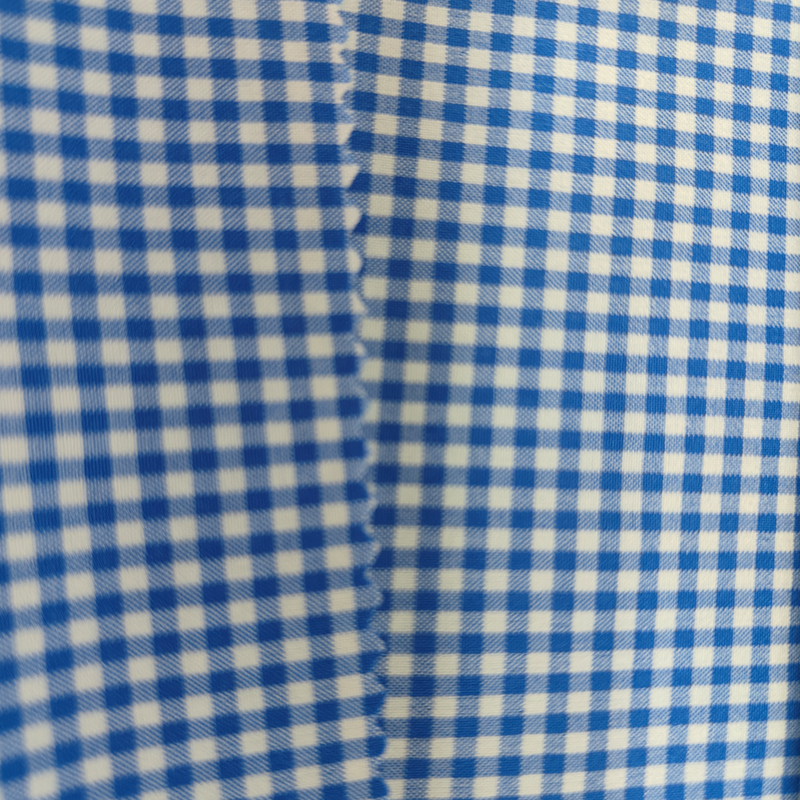
Printed nylon fabric demands careful pretreatment to prevent wicking-induced blur. The low surface energy of nylon filament yarns resists wetting by print paste, so fabrics receive corona discharge treatment or a chemical primer coat immediately before printing. Solution-dyed nylon bypasses these concerns entirely for solid colors, delivering colorfastness ratings of 5 on the blue wool scale for lightfastness because the pigment is encapsulated within the polymer matrix rather than sitting on the fiber surface. The limited color palette of solution-dyed yarns—typically 20–30 stock colors per mill—constrains design flexibility compared to piece-dyed fabric, but for industrial and military products where color retention is a safety or specification requirement, the trade-off is justified.