English
 English
 Español
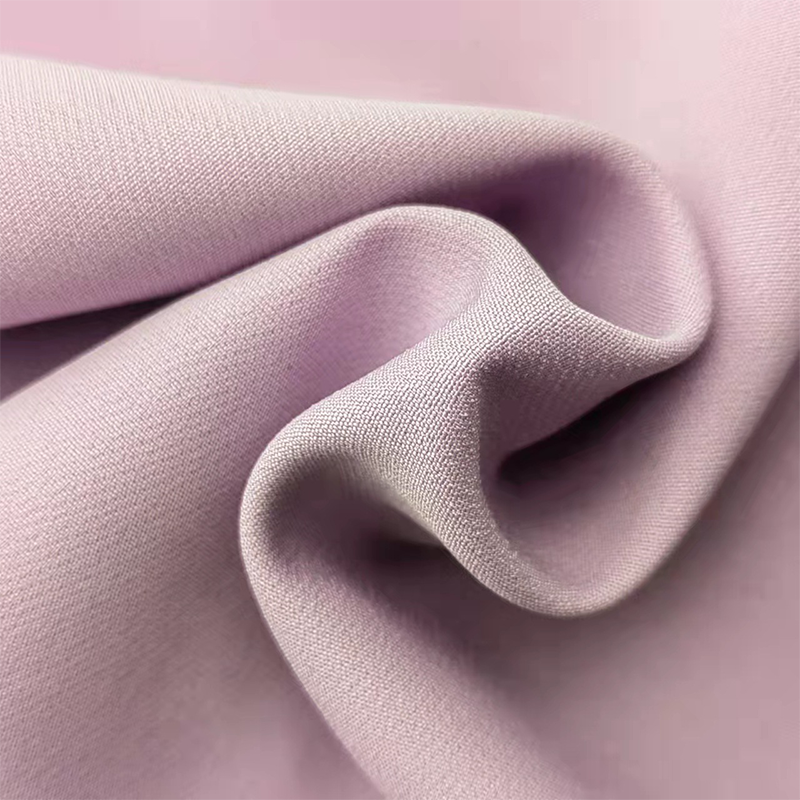
A 20,000-meter shipment of woven shell fabric arrives at your warehouse. The color, hand feel, and width match the approved sample, but the inbound test report shows a grab breaking strength of 142 N against an approved specification of 180 N. Rejecting the goods is expensive; accepting them is a gamble. This is the moment when ASTM D5034 stops being a line on a certificate and becomes the basis of a commercial decision.
The bottom line: ASTM D5034 is the benchmark method for measuring the breaking strength and elongation of textile fabrics using the grab test. If you buy or specify woven apparel fabrics, stretch wovens, or technical textiles, D5034 data tells you whether a fabric will survive sewing, handling, and end-use stress, before you commit inventory, labor, and delivery dates.
Published by ASTM International as D5034-21, "Standard Test Method for Breaking Strength and Elongation of Textile Fabrics (Grab Test)," the standard applies to most textile fabrics, including woven, nonwoven, and felted materials. It is routinely listed in specification sheets, purchase contracts, and garment quality programs, and it is often paired with strip-method standards such as ASTM D5035 and ISO 13934-1. For fabric buyers, knowing how D5034 behaves is a practical purchasing skill.
A supplier that can present consistent D5034 results with every batch reduces your incoming inspection risk, which is why much of Lanneret Textile's quality approach is built around documented physical testing of functional fabrics.
What ASTM D5034 Actually Measures
Breaking strength is the maximum tensile force a fabric resists before rupture, expressed in newtons (N) or pounds-force (lbf). Elongation is the extension recorded at the breaking point, expressed as a percentage of the original gauge length. Together they describe how a fabric behaves when it is pulled, whether by careless handling, a sewing machine feeder, or the tension on a wearer's knee.
The grab method is defined by its clamping geometry. The specimen is cut wider than the clamping jaws, and only the central portion of the fabric is held between the grip faces. As the jaws move apart, stress spreads sideways through the unclamped edges, mobilizing adjacent yarns and reproducing the stress concentration that occurs around seams, buttonholes, rivets, and strap attachments. This is why D5034 correlates better with finished-product performance than tests that grip the entire specimen width.
Breaking Strength
The peak force recorded before rupture. Commercial specs for apparel wovens typically range from about 150 N for lightweight blouse fabrics to 800 N or more for bags and industrial textiles.
Elongation at Break
The percentage stretch at failure. Values between 10% and 40% are common for woven apparel. Too low means brittle behavior and seam-tearing risk; too high can cause bagging, seam pucker, or sizing instability.
Grab vs. Strip
In the strip method (ASTM D5035, ISO 13934-1), the full specimen width is clamped. The grab method leaves the edges free, so values are generally lower than strip values and closer to real stress patterns in finished garments.
Key Parameters on a D5034 Report
A compliant D5034 report tells you more than a single force value. The specimen is cut 100 mm by 200 mm, with the long dimension parallel to the direction being tested. Before testing, specimens are conditioned in a standard atmosphere of 21 ± 1 °C and 65 ± 4% relative humidity per ASTM D1776. The tensile tester uses 25 mm square jaw faces, a gauge length of 75 mm, and a constant rate of extension of 300 mm/min. A minimum of five specimens is tested in each of the warp and weft directions, and mean values are reported.
If any of these parameters is missing from the report, treat the result with caution. Grab values are strongly influenced by jaw geometry and speed; a lab that runs the wrong gauge length or grip size can produce numbers that look plausible but do not comply with D5034.
Parameter
ASTM D5034 (Grab)
ASTM D5035 (Strip)
ISO 13934-2 (Grab)
Specimen width
100 mm
25 mm (ravelled) or 50 mm (cut)
100 mm
Clamping
Central 25 mm jaw, edges free
Full width clamped
Central 25 mm jaw, edges free
Typical purpose
Finished-fabric performance
Intrinsic yarn-fabric strength
International grab compliance
Table: D5034 compared with related tensile methods. Different clamping geometries change the meaning of the numbers, even when the fabric is identical.
What the Numbers Mean in Real Production
A single failing value is not always a defect, and a single passing value is not always safety. The hidden information in a D5034 report sits in the spread, the break pattern, and the moisture condition.
The chart below shows indicative breaking strength ranges for common commercial fabric categories. Use them as orientation, not as design targets; your own specifications should come from the end-use loading and the agreed reference samples.
~200 N
Light shirting
~275 N
Stretch woven
~425 N
Mid twill
~550 N
Nylon shell
~750 N
Oxford bags
Three things to check beyond the average. First, the coefficient of variation (CV): across five specimens in one direction, a CV below 10% indicates consistent weaving and finishing, while a CV above 15% points to irregular loom tension, variable yarn count, or uneven finishing. Second, the break location: a break near the jaw is a jaw break, which should be re-tested because the grip may have damaged the specimen, and a normal break in the working area represents the true fabric. Third, the conditioning state: nylon and nylon-rich blends lose part of their strength when wet or at high humidity, whereas polyester is far less sensitive. If the end use exposes the fabric to moisture, ask for wet-conditioned results or run your own humidity-cycled samples.
For stretch-woven sportswear programs, testing dry and after a simulated wash cycle is the only reliable way to confirm that the four-way stretch structure will hold up over the garment's lifetime.
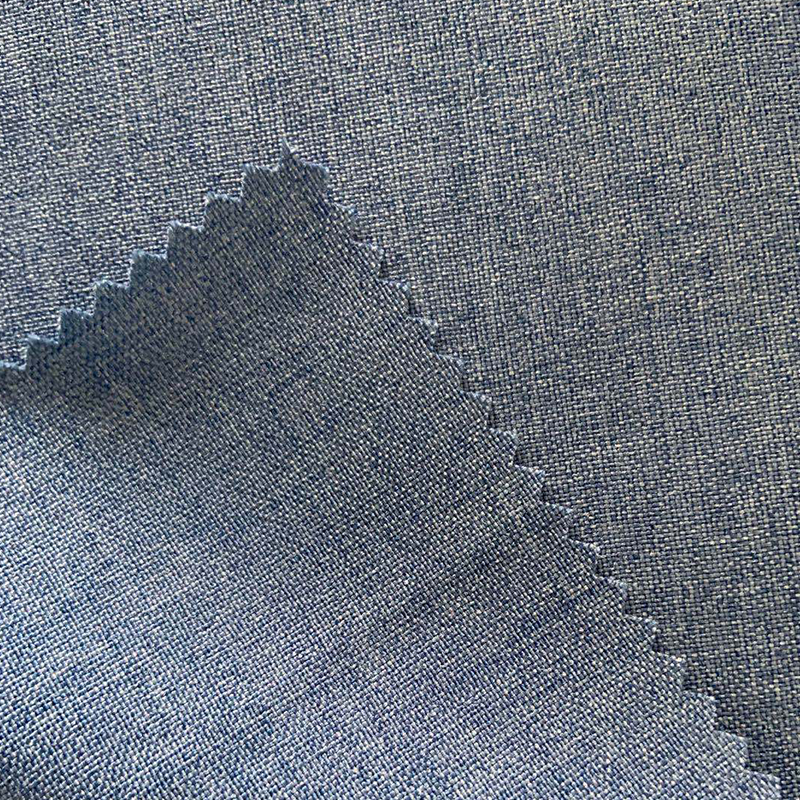 Four-Way Stretch Polyester Fabric for Sports and Leisure WearThis polyester fabric offers four-way stretch, quick-drying, and waterproof-breathable properties for active and casual clothing. Its durability after washing is key for stretch-woven sportswear programs.View Product →
Where D5034 Is Most Demanded in Industry
The standard appears across very different product categories, and each category interprets the same numeric result differently. The distribution below is an indicative picture of commercial demand.
- Apparel (45%): shirts, trousers, dresses; seam strength and general durability.
- Outdoor and technical (25%): shell fabrics, stretch athletic wear; often combined with tear strength and waterproofness.
- Home textiles (15%): bedding, pajamas, upholstery; lower force thresholds, comfort-driven.
- Bags and packaging (10%): oxford nylon and polyester; high strength, abrasion emphasis.
- Automotive (5%): interior trim and seating; strict lot-by-lot limits.
Outdoor brands typically specify D5034 alongside waterproof-breathable requirements, because a membrane is only useful if the base fabric survives the structural stress of a backpack or jacket. The relationship between tensile strength and durability is explored further in this guide to what makes waterproof breathable sports fabrics actually work. Bag and luggage manufacturers use grab values to qualify oxford and four-way stretch materials for high-load seams. Home textile buyers set lower thresholds because end-use forces are smaller, but they still rely on D5034 to keep elongation behavior consistent between batches.
Four-way stretch nylon is now common in outdoor shells, and its wet-state D5034 results deserve scrutiny.
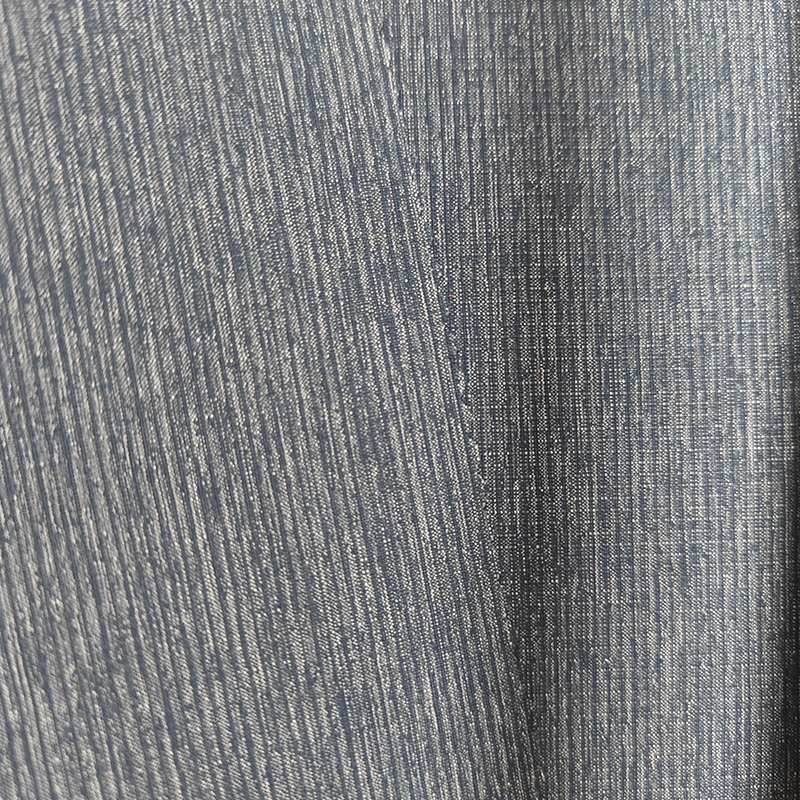 Four-Way Stretch Nylon Fabric for Outdoor ApparelA durable, breathable nylon fabric with four-way stretch, moisture-wicking, and customizable finishes. It suits rain jackets and hiking pants, but wet-state strength testing is essential for outdoor shells.View Product →
For luggage and backpack programs, choose a mill that can document D5034 values on high-tenacity oxford constructions.
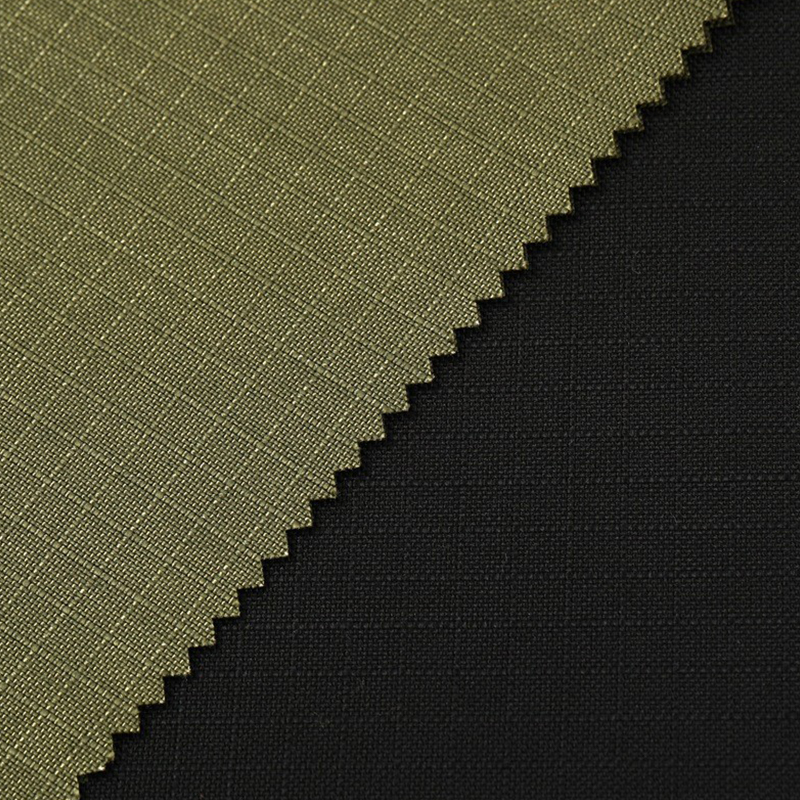 Oxford Cloth Fabric for Bags and LuggageThis nylon-polyester blend oxford fabric provides high durability, waterproofing, and easy care for backpacks and suitcases. Its strength documentation is critical for luggage programs.View Product →
Building D5034 into Your Supplier QA Workflow
You do not need to build a full textile laboratory to benefit from D5034. You need the right workflow around it, especially if you are sourcing from mills where testing discipline varies.
Step 1: Set the Spec
Define minimum breaking strength and an elongation window for warp and weft. Reference the current D5034-21 edition in your purchase order.
Step 2: Audit the Lab
Ask for the tensile tester model, a calibration certificate (ASTM E4 or ISO 7500-1), conditioning records, and witness one test run.
Step 3: Test Inbound
Condition the sample for at least 24 hours in standard atmosphere, test five warp and five weft specimens, and document the mean and the lowest single value.
Step 4: Track the Trend
Plot mean values by delivery date. A continuous 10% drop over three lots is a warning even when values remain above the minimum.
Step 5: Define the Reaction
Agree on a protocol for re-testing, lot hold, supplier corrective action, and communication timing before a deviation becomes a shipment crisis.
Maintenance, Calibration, and Compliance Best Practices
The quality of a D5034 result depends on the machine and the discipline around it. Calibrate tensile testers at least once a year against a traceable standard, and verify both the force indicator and the crosshead speed. Inspect grip faces regularly, because worn or contaminated faces cause jaw breaks that read artificially low. Keep the laboratory within 21 ± 1 °C and 65 ± 4% relative humidity; conditioning is part of the method, not an administrative detail.
From a compliance perspective, retain a reference swatch from each accepted lot, record the operator, machine, and test atmosphere, and do not round borderline values into compliance. Re-test any specimen that breaks at the jaw rather than in the working area; if more than one of five breaks at the jaw, inspect the grips and re-cut the samples. Compare results only from the same edition of the standard, because revisions can change test details.
A practical habit is to use D5034 together with tear strength where seam and edge loading is the dominant failure mode. The grab method measures tensile resistance, not the progressive tearing behavior that unravels a fabric from a small cut. This is why many buyers in apparel and outdoor sectors prefer integrated fabric manufacturers that control weaving, finishing, and physical testing under one roof; a mill with its own laboratory can release lot-by-lot D5034 data and make the entire supply chain more predictable.