English
 English
 Español

A programme that plays four games in five days can send the same jersey through 40 or more wash cycles in a single season, and every one of those cycles works on the fabric's shape, colour and surface. That is why basketball jersey material is never settled by "polyester or cotton" alone. Fibre, knit structure, weight and finishing each decide whether a uniform still looks sharp in March.
Here is the conclusion first, because sourcing teams need it before the technical detail. For competitive play, specify a knit polyester or polyamide jersey fabric in the 140-180 gsm range with a moisture-transport finish, and add elastane only where the garment genuinely has to stretch. Mesh structures win where ventilation matters most; interlock and jacquard structures win where sublimated graphics must stay crisp and flat.
A specification that survives a season: 100% polyester mesh or interlock at 150-170 gsm, colourfastness to washing and rubbing at grade 4 or better, shrinkage within 3% in both directions, and a wicking finish that still works after 25 home launderings.
Material Is Three Decisions, Not One
Buyers usually name a jersey by its fibre, but three separate choices sit behind that word, and any one of them can fail on its own.
1. Fibre content
Polyester (PET) is the default: strong, economical, easy to sublimate and quick to dry. Polyamide (nylon PA6 or PA6.6) feels softer, resists abrasion better and takes deeper shades, but costs more per kilogram. Cotton absorbs sweat and then holds it, so it belongs in warm-up tops and retail fan jerseys rather than on-court uniforms.
2. Knit structure
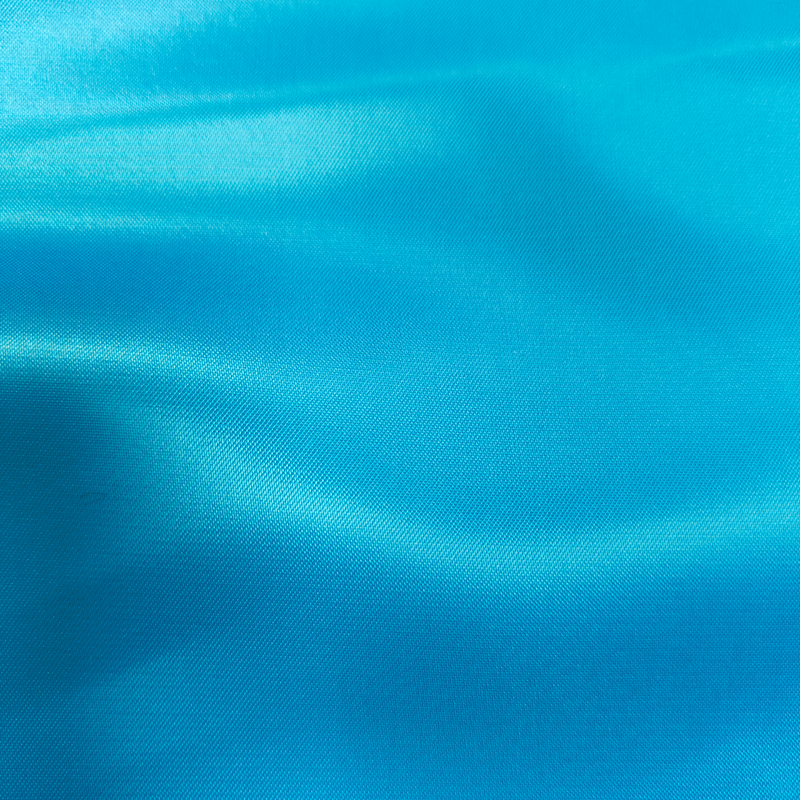
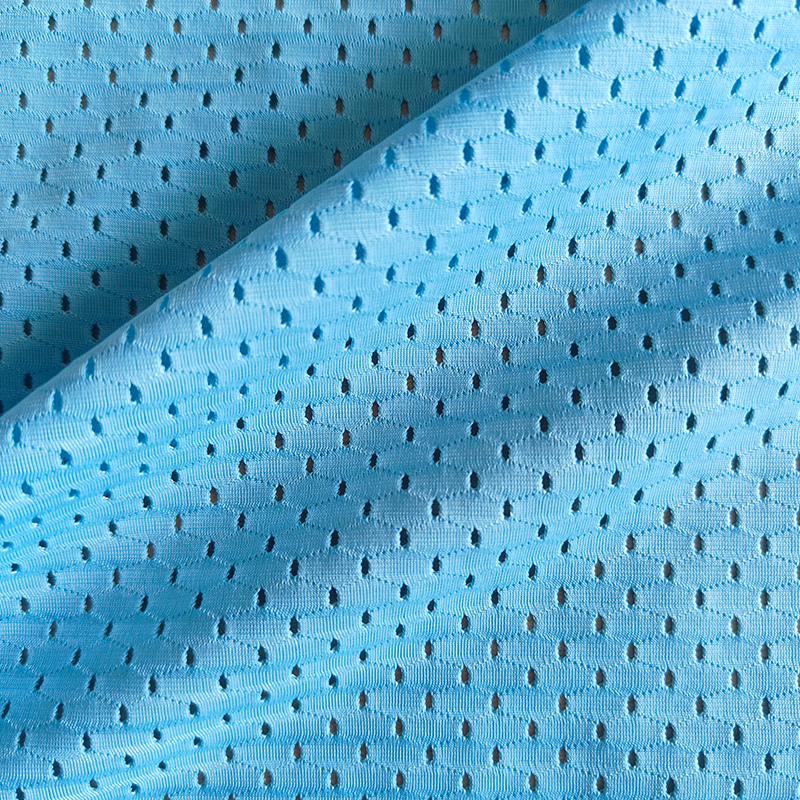
Structure sets airflow and drape. Single jersey is thin and light, interlock is a double knit with the same face on both sides so it resists curling, mesh opens the surface with engineered holes, jacquard builds texture or logos into the knit itself, and tricot or dazzle gives the glossy hand used on shiny team kits.
3. Finishing
Wicking, anti-odour and mechanical stretch are added at the dyehouse or stenter, not inside the fibre. A finish can test well on the first wash and be gone by the twentieth, so retention testing across repeated laundering matters far more than the claim printed on a spec sheet.
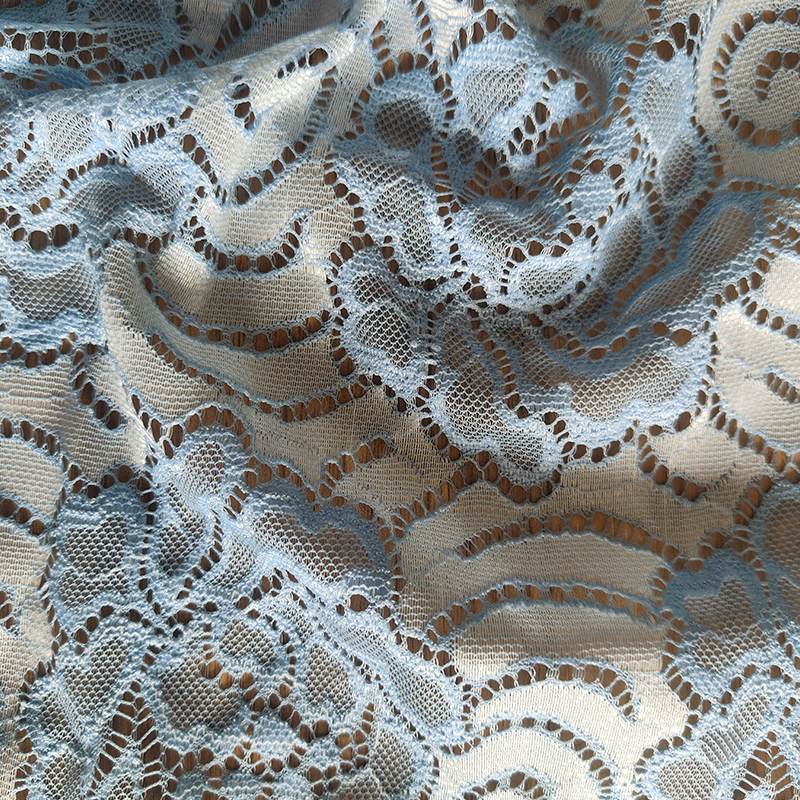
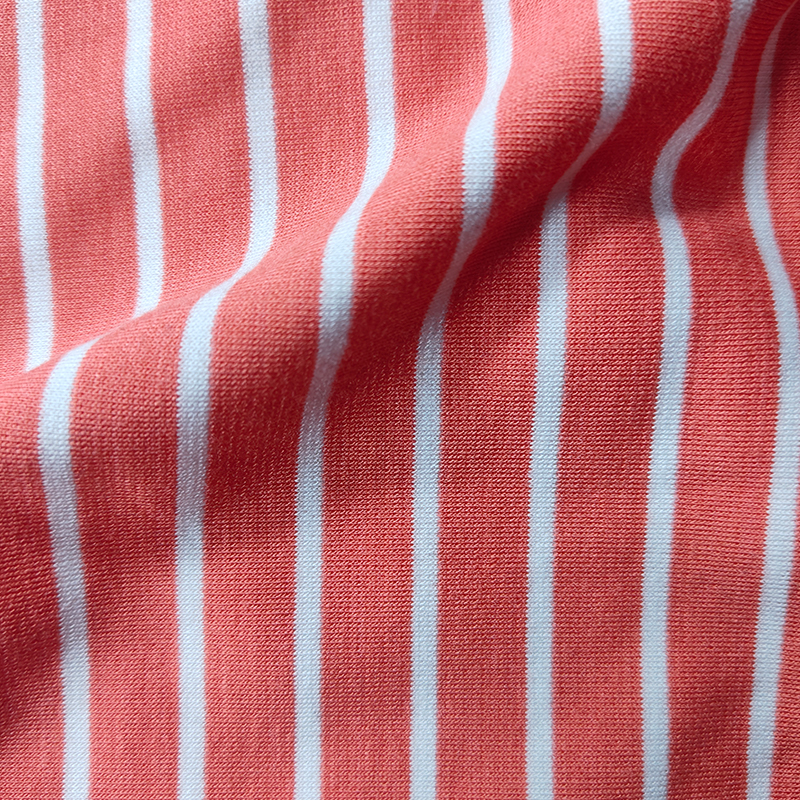 Knitted jersey Yoga wear sports/leisure fabricsKnitted jersey series sports/leisure fabrics are premium weft-knitted textiles ideal for a broad range of apparel and daily items. Engineered for comfort and versatili...View Product →
Polyester, Nylon, Mesh and Blends Compared
Most quotations for teamwear land between six options, and they differ less in fibre than in the way that fibre is knitted and finished. The table below summarises what usually arrives in a sample box.
Weight and cost bands reflect typical teamwear order volumes; the airflow index is a relative comparison of knit structures, not a laboratory measurement.
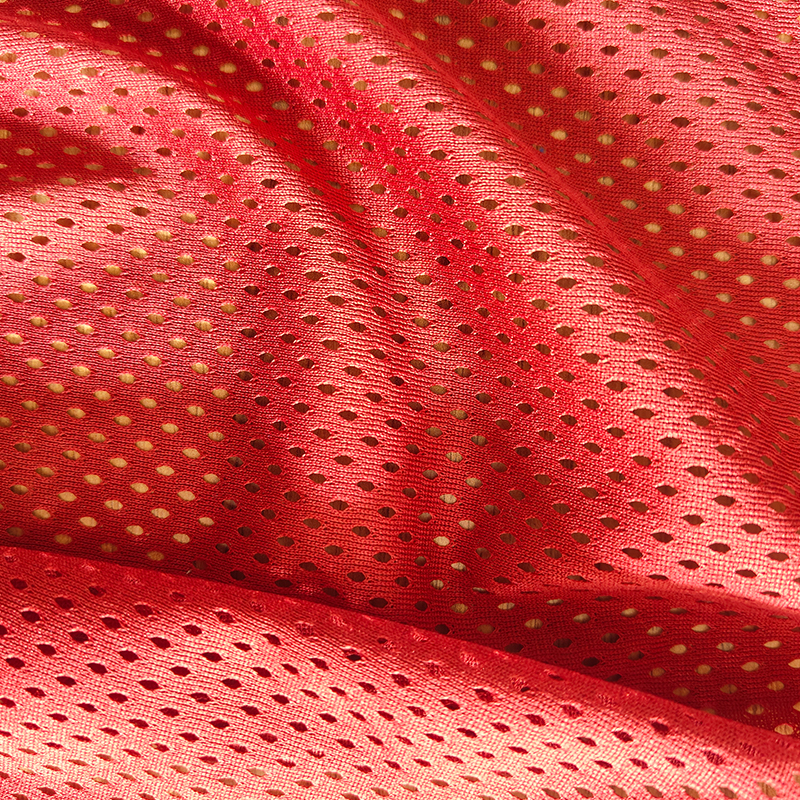
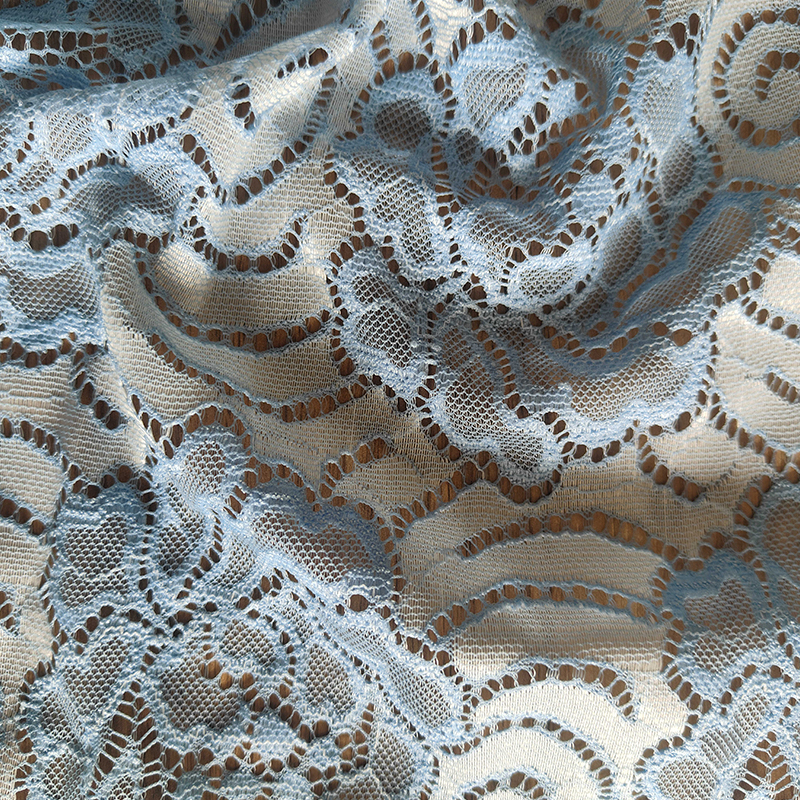 Mesh Running wear sports/leisure fabricsMesh series sports/leisure fabrics feature a porous mesh structure, coupled with moderate elasticity and support, with variations tailored by material selection, mesh ...View Product →
Hidden Numbers Behind a Jersey Spec
Airflow is the quiet variable. Two jerseys can carry the same "100% polyester, 160 gsm" label and feel completely different at tip-off, because a denser knit traps heat even when the fibre is identical.
Polyester mesh
92
92
Interlock
64
64
Nylon knit
58
58
Cotton blend
34
34
Dazzle/tricot
21
21
Read those bars next to three other values that rarely appear on marketing pages: shrinkage after five home washes (aim under 3%), pilling resistance (grade 4 minimum), and burst strength retention after 25 cycles. A light mesh that loses 6% of its width in the first month will look like a different garment by mid-season, no matter how good it felt at delivery.
Where Each Material Ends Up
Demand across amateur leagues, school programmes, retail replica ranges and professional kits splits unevenly. The distribution below reflects how orders typically break down by fabric type.
- 42% polyester mesh for on-court uniforms and training kits.
- 26% polyester interlock and jacquard for sublimated team sets.
- 16% nylon and nylon blends for premium club and retail lines.
- 10% high-elastane compression layers worn under the jersey.
- 6% cotton-rich blends, mostly warm-ups and fan merchandise.
The pattern is consistent: the harder the level of play, the more the specification moves toward engineered polyester and away from natural fibre, because repeated washing and heavy sweating punish absorbent yarns first.
Choosing a Jersey Fabric: A Five-Step Sourcing Sequence
Work through these steps in order and most sampling rounds are avoided.
Step 1: Define playing conditions
Indoor air-conditioned courts, humid outdoor courts and unheated gyms each push the weight target in a different direction, from 120 gsm up to 180 gsm.
Step 2: Lock the weight and stretch
Set a gsm tolerance of plus or minus 5% and state the elastane percentage, since 5% and 15% elastane behave as two different products on the body.
Step 3: Confirm print compatibility
Send the artwork with the fabric request. Full-bleed dark graphics need a denser knit, while light mesh can show ink halo at panel edges.
Step 4: Test before bulk
Ask for shrinkage, pilling, colourfastness and wicking retention reports on the actual lot, then wash two strike-off samples 25 times in-house.
Step 5: Freeze the reference
Keep a sealed, approved swatch per colourway. Shade differences between dye lots are the most common reason a repeat order is rejected.
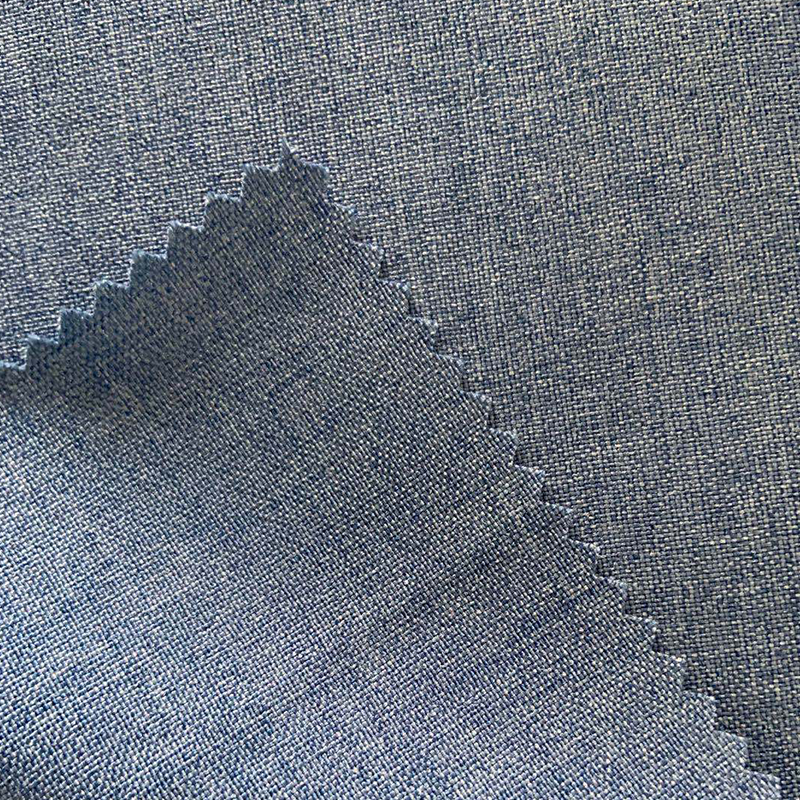 Polyester fabric, four-way stretch sports/leisure fabricsPolyester fabric, four-way stretch sports/leisure fabrics blends practicality and comfort, tailored for outdoor enthusiasts, fitness lovers and daily wearers. Its four...View Product →
Care, Print and Compliance Details That Decide Repeat Orders
Two identical jerseys can behave differently after ten washes because of how they are printed and laundered. Sublimation works best on polyester: disperse ink turns to gas at roughly 190-200 °C and bonds into the fibre, which is why a cotton-rich blend produces a duller, less durable graphic. Inks that sit on top of the surface crack along the print edge, particularly where the fabric stretches.
- Wash at 30-40 °C on a gentle cycle; fabric softener coats the fibre and blocks wicking.
- Avoid chlorine bleach on nylon, which yellows and weakens the yarn.
- Tumble dry low or line dry; high heat accelerates shrinkage and print cracking.
- Keep front and back panel weights within 10 gsm so the jersey hangs evenly.
- Document fibre composition and restricted substances for REACH, OEKO-TEX Standard 100 or youth-safety rules in your market.
Whichever knit you choose, the fabric still has to pass the same tests: dimensional stability, pilling, burst strength and colourfastness after laundering. If you want the background on how performance finishes are engineered into knit fabrics, this overview of how waterproof and breathable sports fabrics actually work walks through the coating and membrane routes, and this guide to functional fabric selection for outdoor performance shows how fibre and structure are matched to what a sport demands.
The material on a basketball jersey is decided long before the print file is sent. Fix the fibre, the knit and the finish against the way the team actually plays and washes, test retention rather than first-day performance, and the jersey will still read correctly on the scoreboard in the final week of the season.