English
 English
 Español

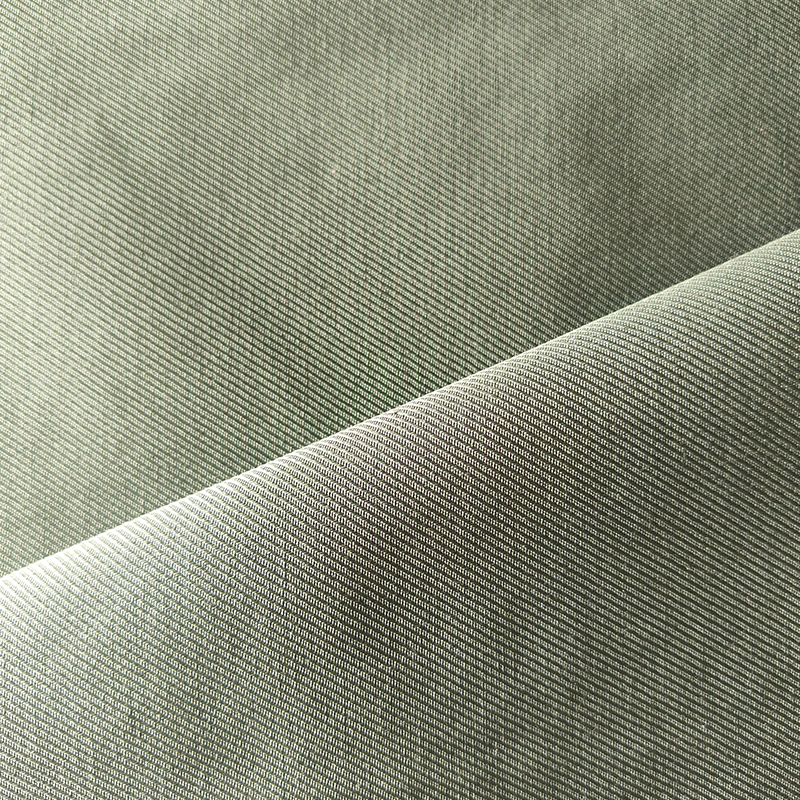
Two 180 gsm polyester knits sit on the same desk: matching hand feel, matching shade band, matching price band. One supplier quotes an OEKO-TEX STANDARD 100 certificate, the other keeps mentioning GOTS. Both salespeople are telling the truth, yet the two documents prove completely different things. The gap only becomes visible later, when a retail buyer asks for proof of organic fibre content or a laboratory returns a result on a restricted colorant.
The rule that prevents most of these problems is straightforward. GOTS verifies organic fibre content and the way a textile is processed, including chemical inputs, wastewater and labour conditions along the chain. OEKO-TEX STANDARD 100 verifies that a specific finished article has been tested for harmful substances and stays inside defined limit values. A polyester or nylon knit can hold OEKO-TEX; it can never hold GOTS, because GOTS starts with certified organic fibre.
Decide by fibre and by claim. Organic cotton or organic wool supply chains point to GOTS. Synthetic and blended performance fabrics point to OEKO-TEX STANDARD 100. Many GOTS-certified mills also hold OEKO-TEX as a second proof point, but an OEKO-TEX certificate never implies organic fibre.
What Each Certificate Actually Verifies
Both schemes are third-party verified and both require renewal or re-audit. What separates them is the object of the certificate: STANDARD 100 certifies an article, GOTS certifies a production chain.
GOTS: fibre, processing and labour in one scope
GOTS, the Global Organic Textile Standard, covers the full textile chain from fibre harvesting to the final label. Two grades exist and both appear in tender documents: "organic" requires at least 95% certified organic fibre, while "made with organic" requires at least 70%. Below 70%, no GOTS claim is possible at all.
Fibre claim. Certified organic cotton, wool or other organic fibres; genetically modified material is excluded from the scope.
Chemical inputs. Chlorine bleaching, PVC, azo dyes and a long list of other substances are banned, formaldehyde limits apply, and wastewater must be treated with sludge disposed of responsibly.
Labour. ILO-based social criteria covering child and forced labour, working hours, occupational safety and freedom of association.
Verification. Annual on-site inspection by an approved independent certifier, plus transaction certificates that follow every batch along the chain.
OEKO-TEX STANDARD 100: chemical safety of the article
OEKO-TEX is an association of independent textile research and testing institutes rather than a single body. STANDARD 100 screens finished articles, semi-finished goods and components for regulated and non-regulated harmful substances: pesticide residues, azo colourants, formaldehyde, heavy metals, chlorinated phenols, phthalates and PFAS-related compounds, spread across roughly one hundred test parameters covering more than a thousand substances. Limits are tiered by product class, with Class I for baby articles the strictest and Class IV for decoration materials the most permissive.
The other OEKO-TEX modules matter more than most buyers expect
STANDARD 100 is only one module. ECO PASSPORT covers textile chemicals, STeP assesses production sites on environmental management, social responsibility and quality, and MADE IN GREEN links a traceable product ID to both. When a buyer wants evidence about working conditions at a synthetic fabric mill, STeP is the relevant document, not STANDARD 100.
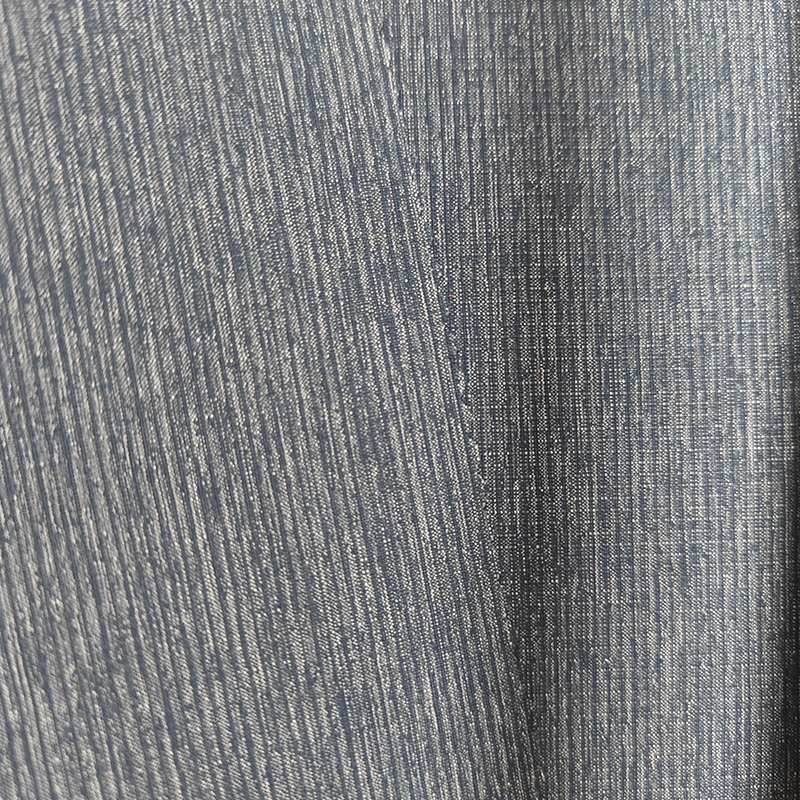 Nylon fabric, four-way stretch outdoor fabricsElevate your outdoor adventures and daily comfort with our Nylon fabric, four-way stretch outdoor fabrics, four-way stretch outdoor fabrics—the ultimate blend of flexi...View Product →
For synthetic knits this is the realistic certification path. A nylon four-way stretch for outdoor shells sits entirely outside GOTS scope; what a brand can verify is the chemical profile of the article and how the mill manages its dyeing and finishing lines. Mills already working on waterproof breathable sports fabrics usually have those test reports and input records ready before the first audit.
Side-by-Side: Where the Two Schemes Diverge
The comparison below is the version worth sending to a sourcing team, because it separates what each certificate can and cannot be used to claim.
Figures are indicative, taken from supplier quotations and published supply-chain estimates; actual values depend on fibre, dyeing route and order volume.
The Numbers That Get Missed in Quotations
Cost is where the two labels stop looking similar. OEKO-TEX testing is a per-article exercise that most mills absorb into their existing test budget. GOTS changes how fibre is bought, how effluent is treated and how workers are managed, so the uplift lands on the unit price rather than on a single invoice.
5-8%
OEKO-TEX STANDARD 100
20-50%
GOTS on an organic cotton chain
Three hidden metrics decide whether the money is well spent. First, certificate scope: a STANDARD 100 certificate names a specific article, colour and composition, so switching dyes or trim suppliers can trigger re-testing even if the fabric looks identical. Second, lead time: a first STANDARD 100 certificate typically takes four to eight weeks, while building a GOTS-certified chain from an uncertified spinner can take six months or more. Third, continuity: GOTS relies on transaction certificates for each shipment, so a missing document breaks the claim even when the goods themselves are compliant.
Where Each Certificate Appears Across Applications
OEKO-TEX reaches almost the entire textile market because it accepts every fibre type, while GOTS concentrates where organic fibre is grown and spun. The split below reflects a typical certification portfolio across end uses.
- Apparel, including sportswear and uniforms: 44%
- Home textiles and bedding: 24%
- Baby and children's articles, mostly Class I: 18%
- Technical and industrial textiles: 14%
GOTS is far more concentrated. Its natural home is organic cotton apparel, bedding and babywear, where the fibre claim itself is the selling point. For home textiles and sleepwear, that combination is common: organic cotton jersey certified to GOTS, with OEKO-TEX testing added for the dyed and printed articles.
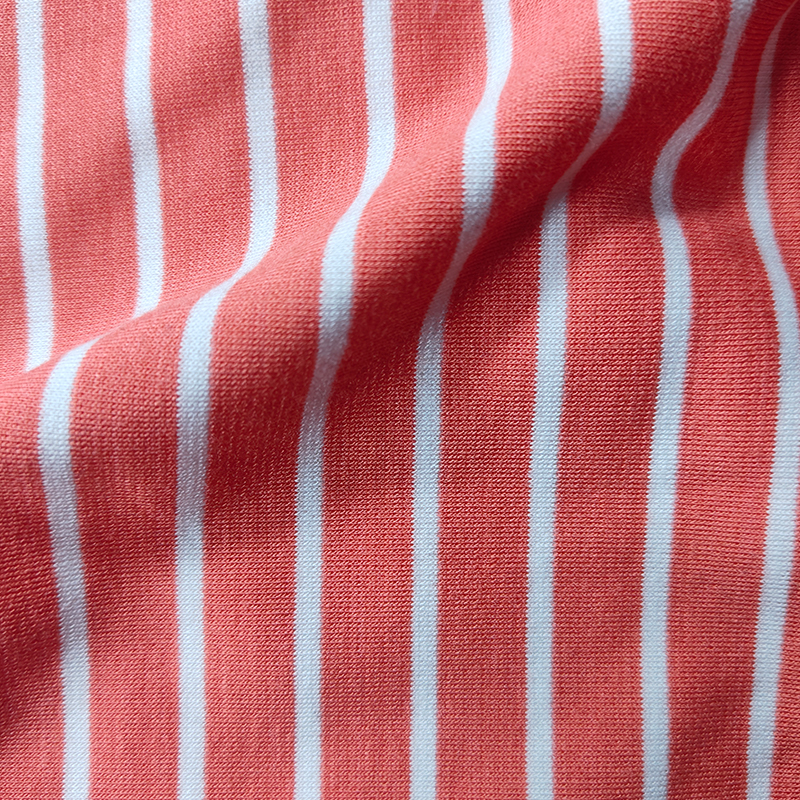 Knitted jersey home textiles/pajamas fabricsAs a versatile weft-knitted fabric, Knitted jersey series home textiles/pajamas fabrics stand out for balanced functionality and comfort, ideal for intimate wear and d...View Product →
A Four-Step Selection Sequence
Working through these four steps in order avoids the most expensive mistake in certification sourcing, which is paying for a scheme that cannot support the claim the brand wants to make.
01
Map the fibre. List fibre composition per style. Anything below 70% organic fibre cannot carry GOTS, whatever the mill promises.
02
Name the claim. A marketing claim about organic or ethical sourcing points to GOTS. A claim about skin safety and legal compliance points to OEKO-TEX, with Class I for baby articles.
03
Verify before the order. Check the GOTS public database and the OEKO-TEX label check, then confirm the certificate names your article, product class and validity dates.
04
Budget cost and time together. OEKO-TEX adds roughly 5-8% and a few weeks. GOTS adds 20-50% and months on a new chain, so it belongs in the seasonal calendar from the start.
On the synthetic side, performance knits are usually selected on stretch, recovery and moisture management first, with certification following the development brief.
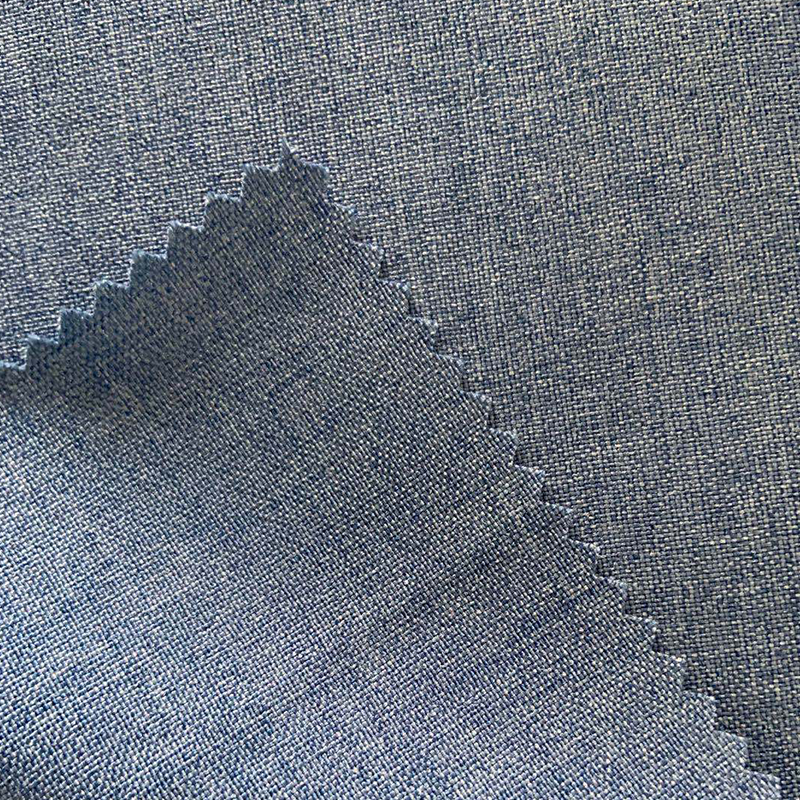 Polyester fabric, four-way stretch sports/leisure fabricsPolyester fabric, four-way stretch sports/leisure fabrics blends practicality and comfort, tailored for outdoor enthusiasts, fitness lovers and daily wearers. Its four...View Product →
Keeping Certification Alive: Maintenance and Compliance
A certificate is a live document, not a wall decoration. These are the points that most often break a claim after the goods have shipped.
- Renew on schedule. STANDARD 100 certificates run for 12 months, and GOTS facilities are re-audited annually. An expired PDF withdraws the claim immediately.
- Re-test after changes. A new dye recipe, print ink, elastic or zipper supplier can move the article outside the tested configuration.
- Document the chain. GOTS depends on transaction certificates and mass balance records for every batch, not just the final invoice.
- Control marketing language. "OEKO-TEX organic" is a contradiction, and a GOTS licence number has no place on a polyester blend.
- Know the legal floor. REACH Annex XVII, the US CPSIA and California Proposition 65 set mandatory limits; STANDARD 100 Class I and II thresholds sit below them, which is why retail compliance teams accept the label.
- Keep environmental records for GOTS, including effluent treatment logs and sludge disposal documentation, ready for the next inspection.
A practical habit: store the certificate number, product class, tested configuration and expiry date next to every fabric article number in the sourcing file. When a buyer asks for proof three seasons later, the answer takes seconds instead of weeks.
GOTS and OEKO-TEX answer different questions, and neither replaces the other. GOTS proves that a textile began as certified organic fibre and was processed under audited environmental and social conditions. OEKO-TEX STANDARD 100 proves that a specific finished article passed laboratory testing for harmful substances. For organic cotton programs, budget for GOTS and treat OEKO-TEX as a useful addition. For performance knits in polyester and nylon, STANDARD 100 is the certificate that can actually be issued, and the supporting evidence to request is the tested article configuration, the product class and the current validity dates.